Spray foam insulation
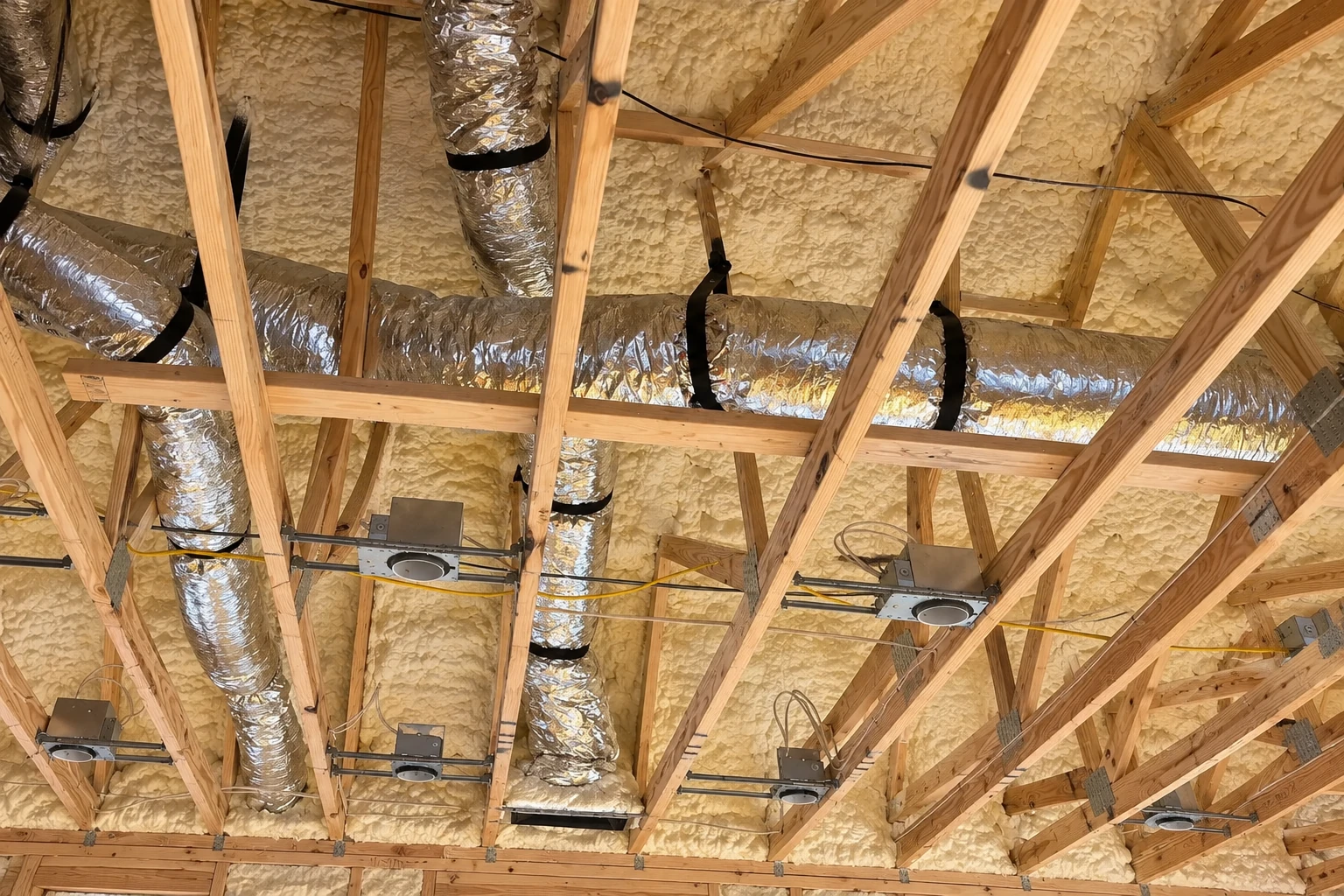
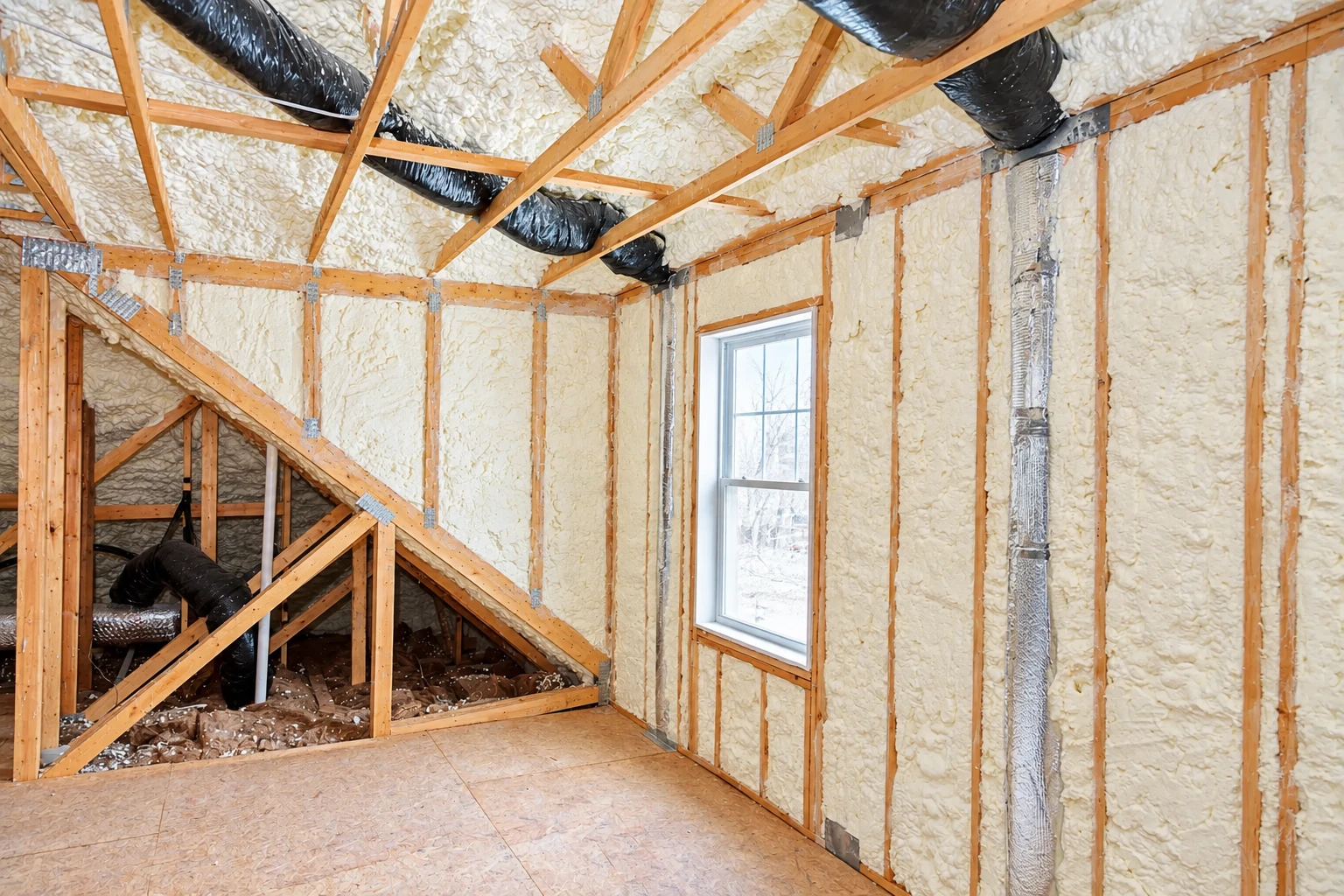
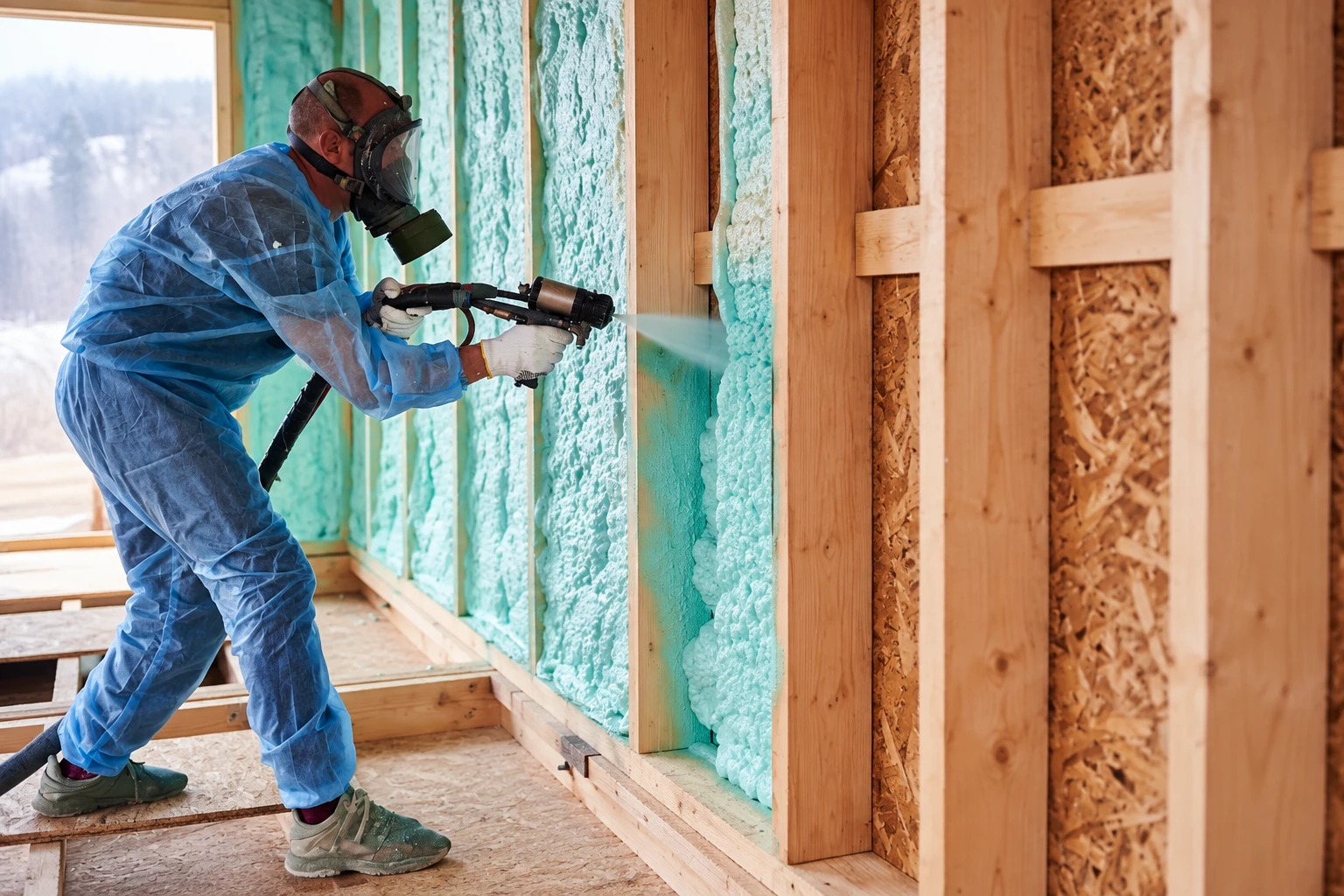
Foam sprayed onto the roof deck or into open walls that seals air while it insulates. It costs more than loose fill, so we use it where that seal matters.
Beacon Conway Spray Foam Insulation handles attic insulation and spray foam for hot upstairs rooms in Conway and nearby cities like Greenbrier. We also insulate crawl spaces under older houses with cold floors and clear out soaked or dirty attic insulation.
Beacon Conway Spray Foam Insulation is an insulation contractor in Conway, AR, and most calls start with a hot upstairs, cold floors or a power bill that keeps climbing. Our 16 services run from topping up a thin attic to laying a vapor barrier in a crawl space, for homes and commercial buildings. The price moves with how much is already up there and what shape it's in, the material you pick and whether anything has to come out first. That cleanup also moves the schedule more than anything else. Your own number comes from a free estimate at your house.
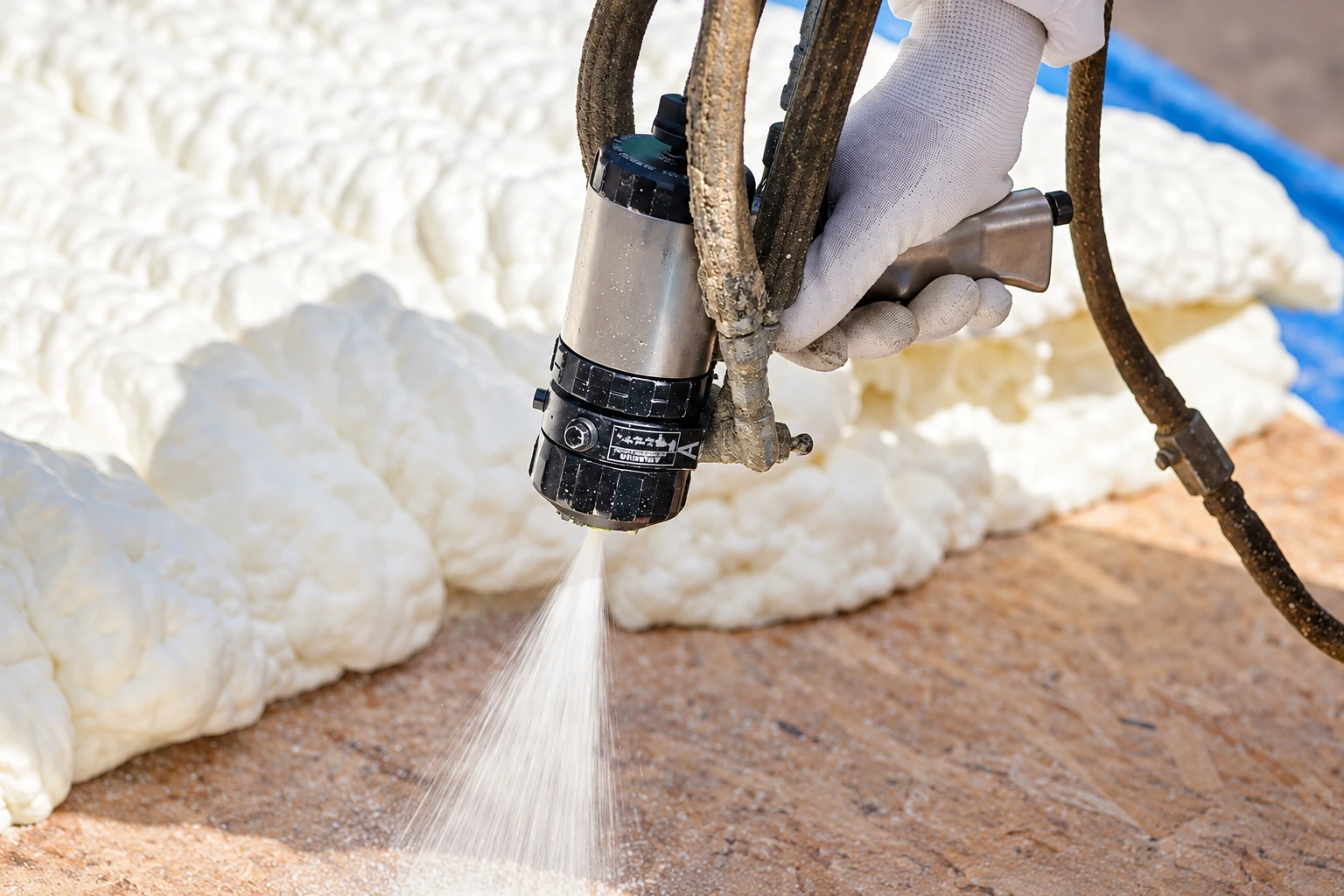
Foam sprayed onto the roof deck or into open walls that seals air while it insulates. It costs more than loose fill, so we use it where that seal matters.
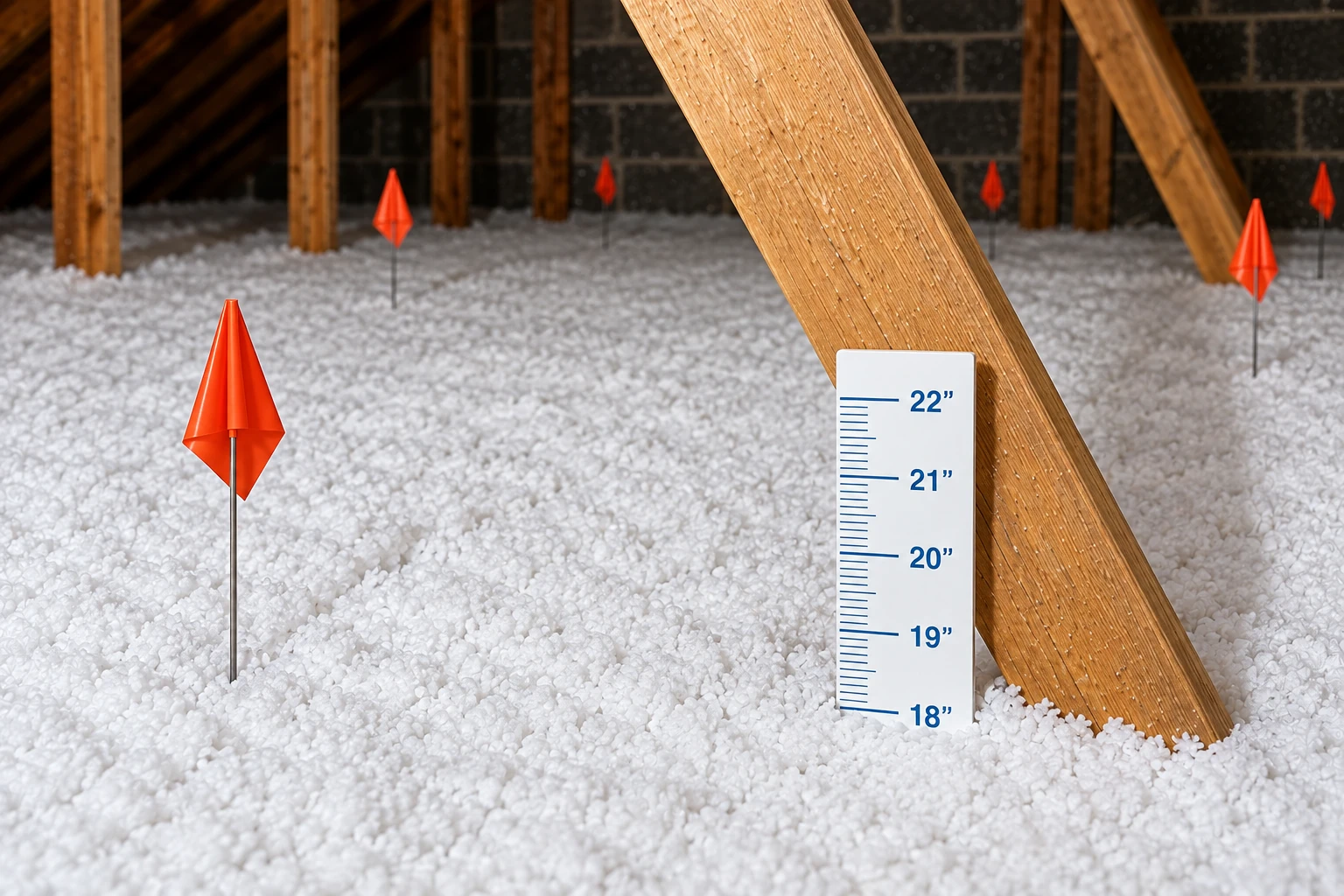
For a hot upstairs. We measure the inches already up there, keep the eave vents open and bring the edges up to match the middle.
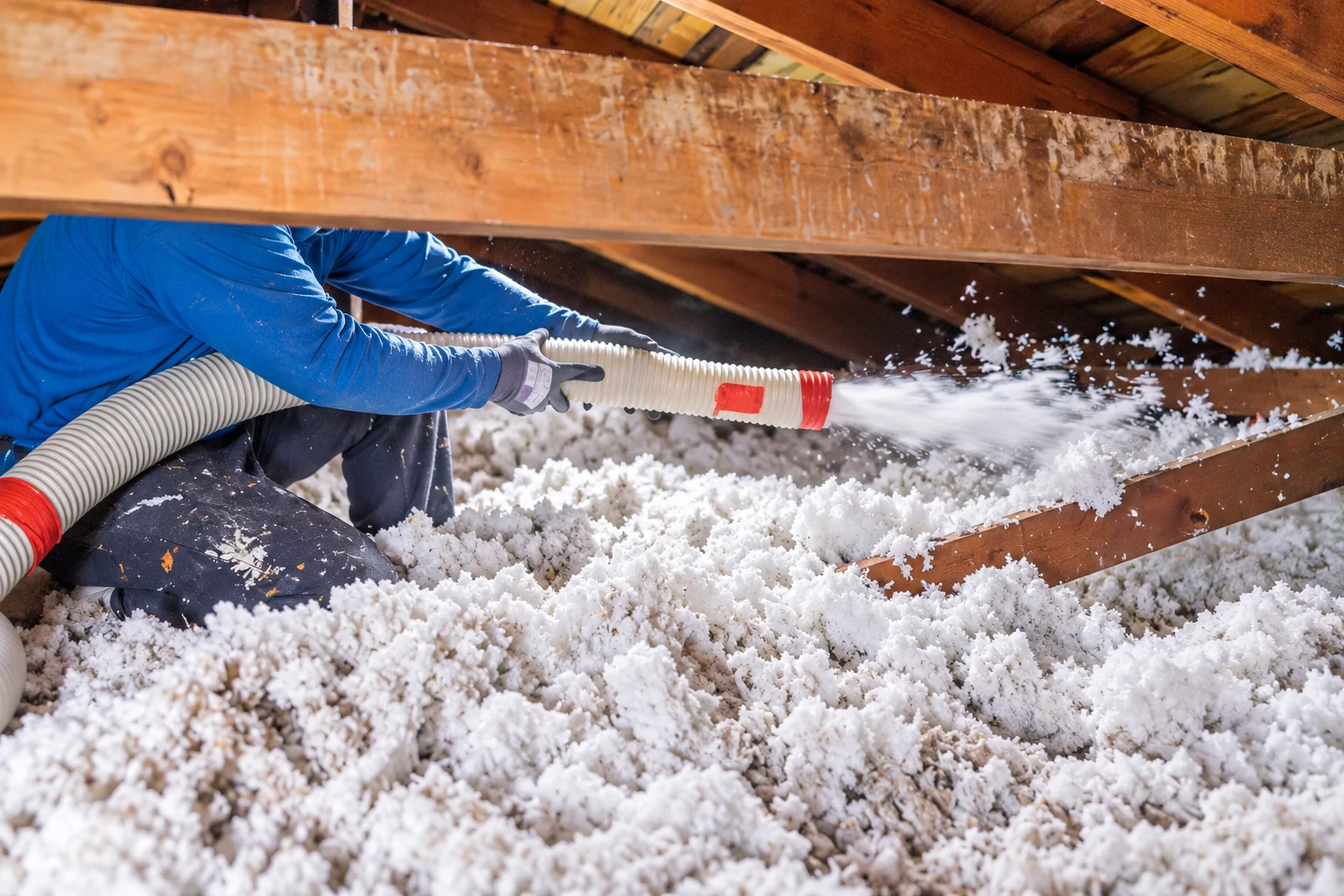
Loose fill blown through a hose, a common way to top up a thin attic or fill closed walls. We seal the gaps around pipes and the hatch first.
A whole-house look when you can't tell where the drafts or cold floors are coming from. I check the attic, walls and crawl space and note what each needs.
If what's up there got soaked, matted or full of droppings, it comes out before anything new goes in, so the problem doesn't stay hidden under fresh material.
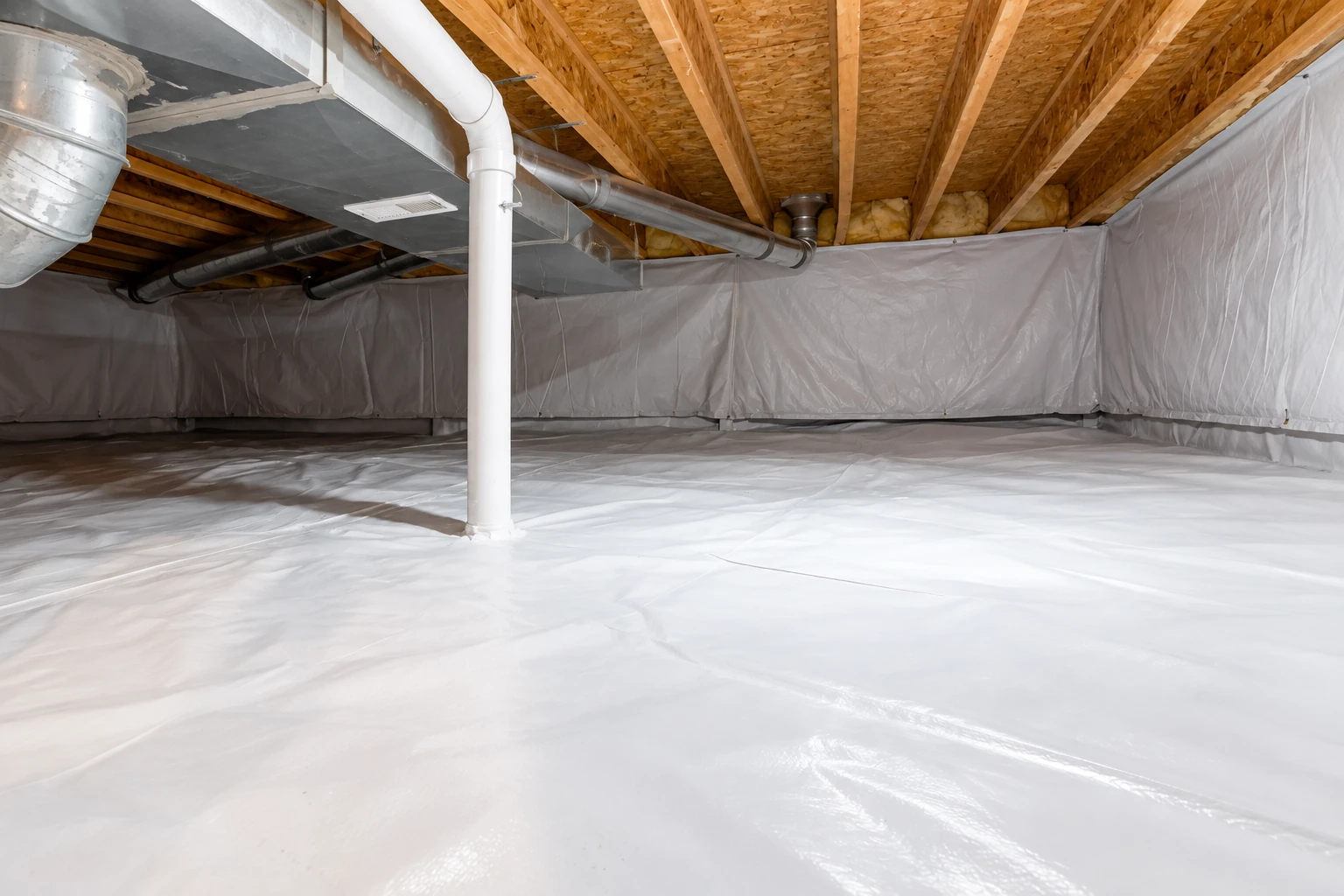
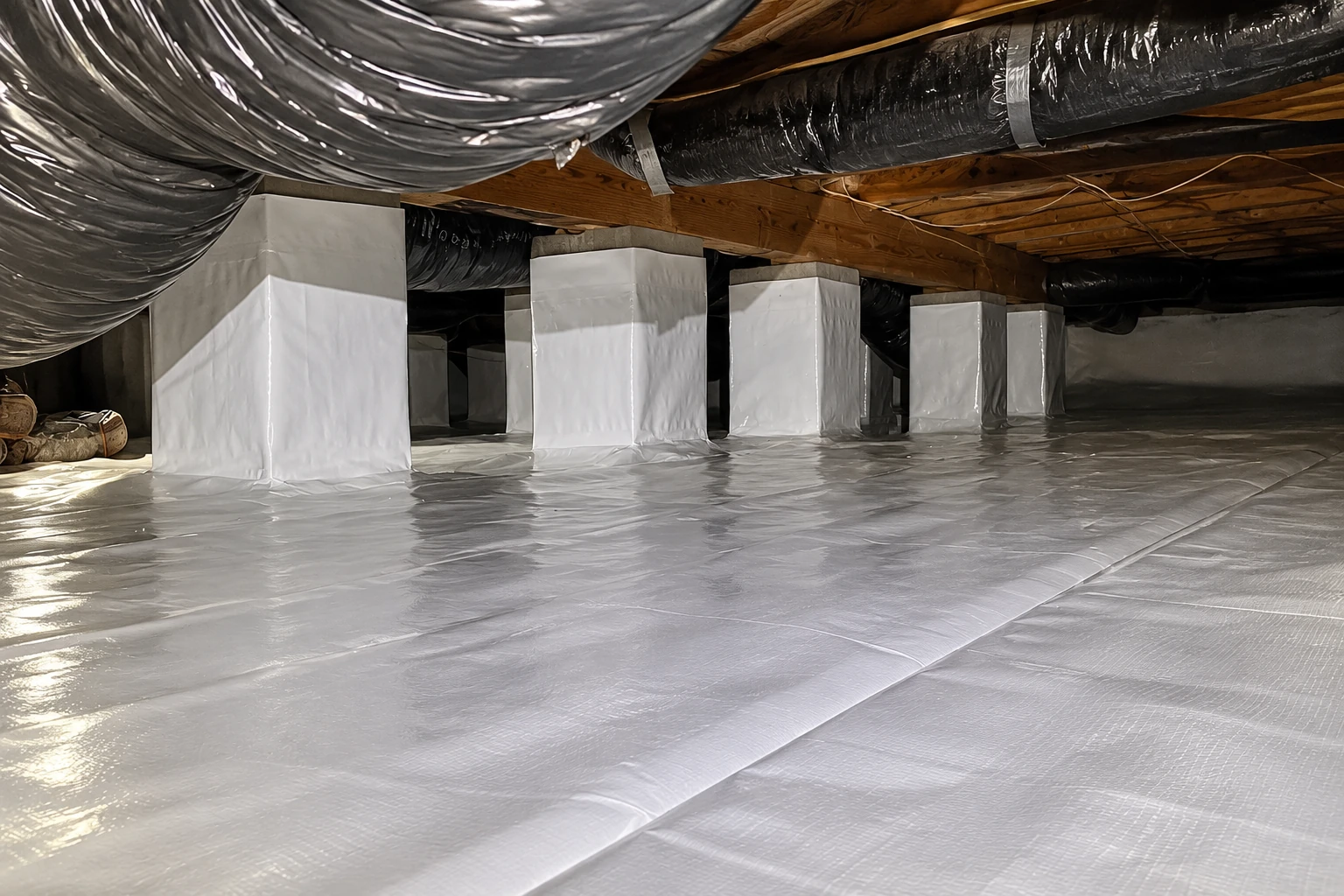
Cold floors usually point down here. We insulate between the floor joists or along the crawl space walls and seal the gaps around pipes coming through.
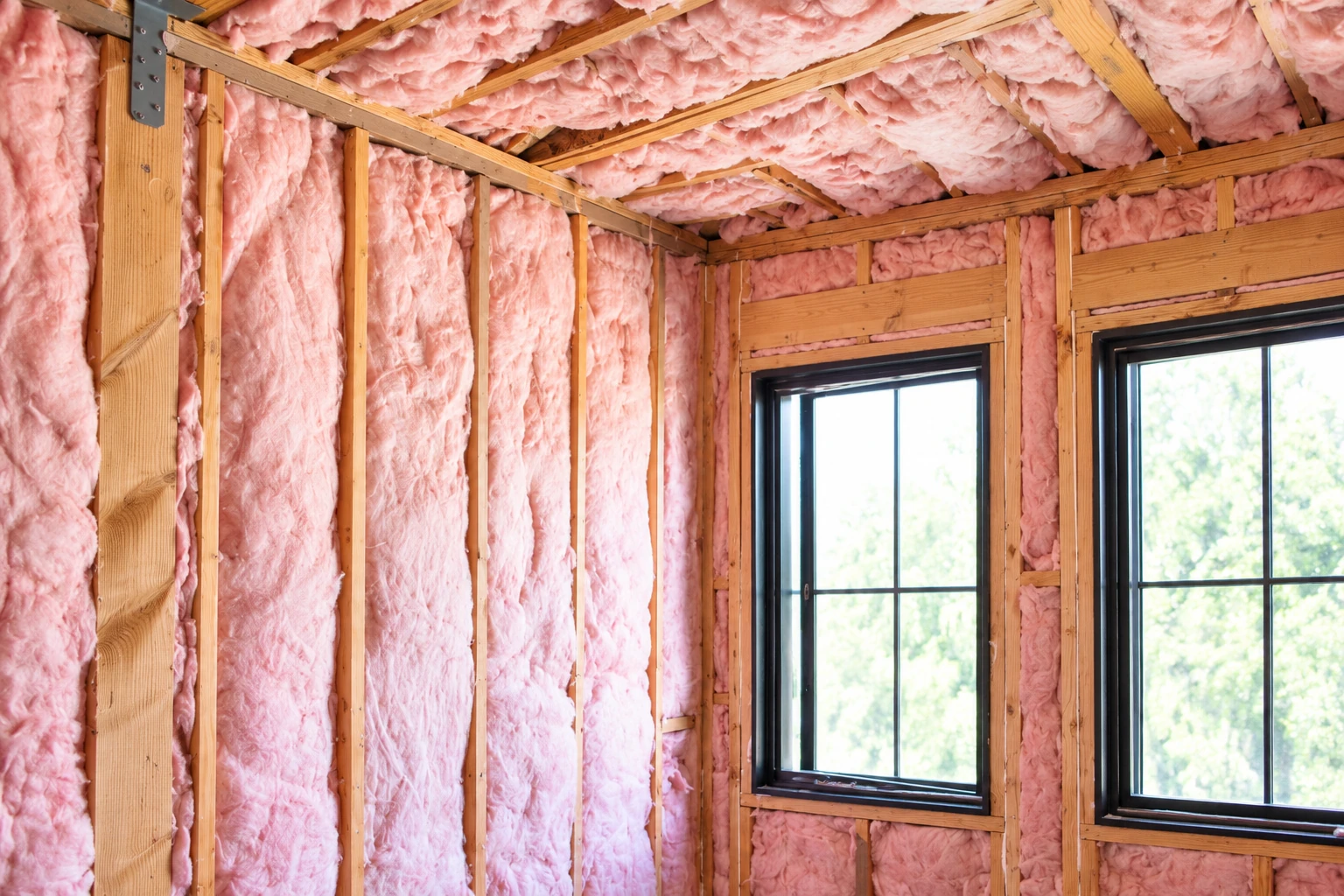
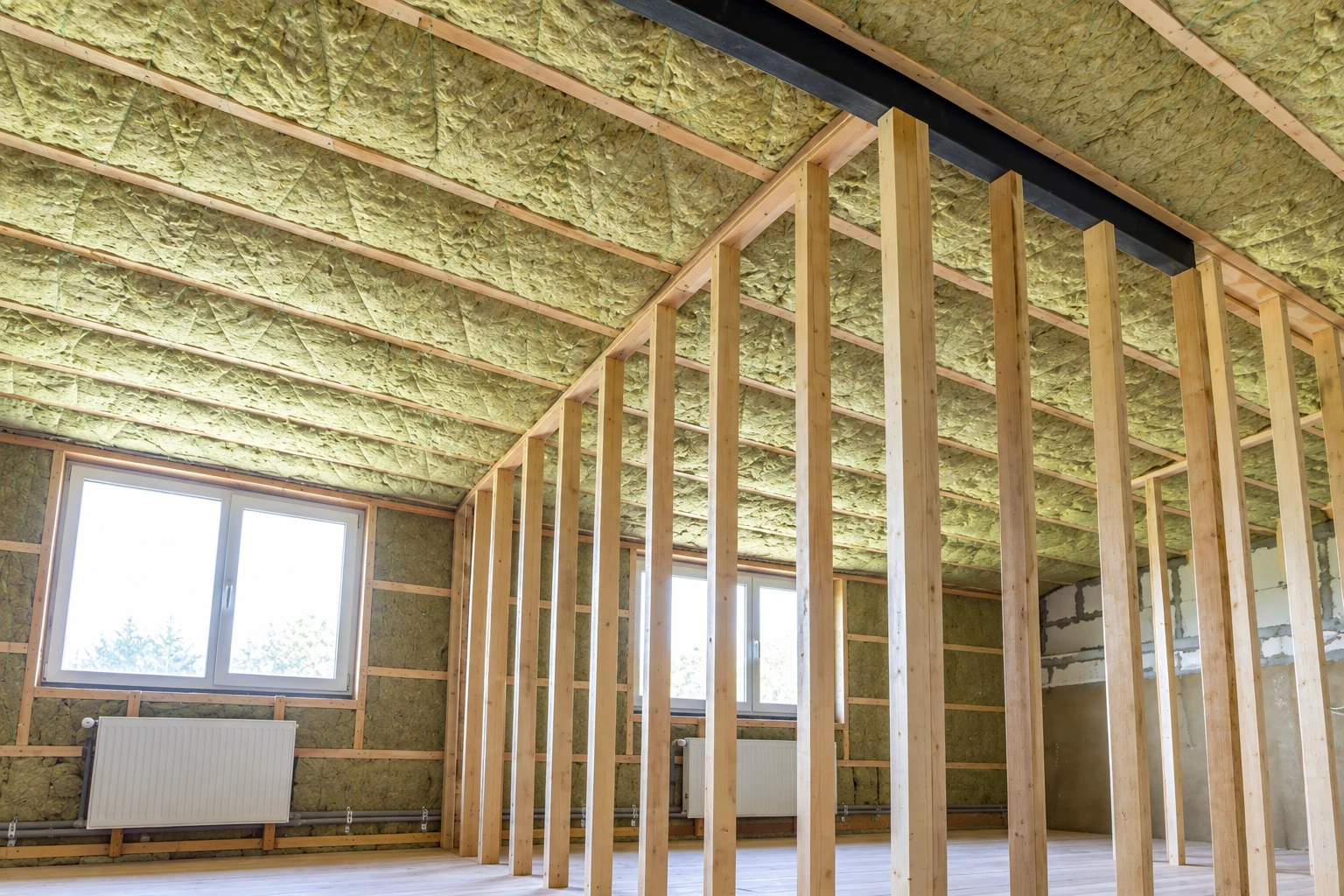
For older houses with empty or sagging wall cavities. We fill closed walls through small holes and patch them, or insulate open walls during a remodel before drywall goes up.
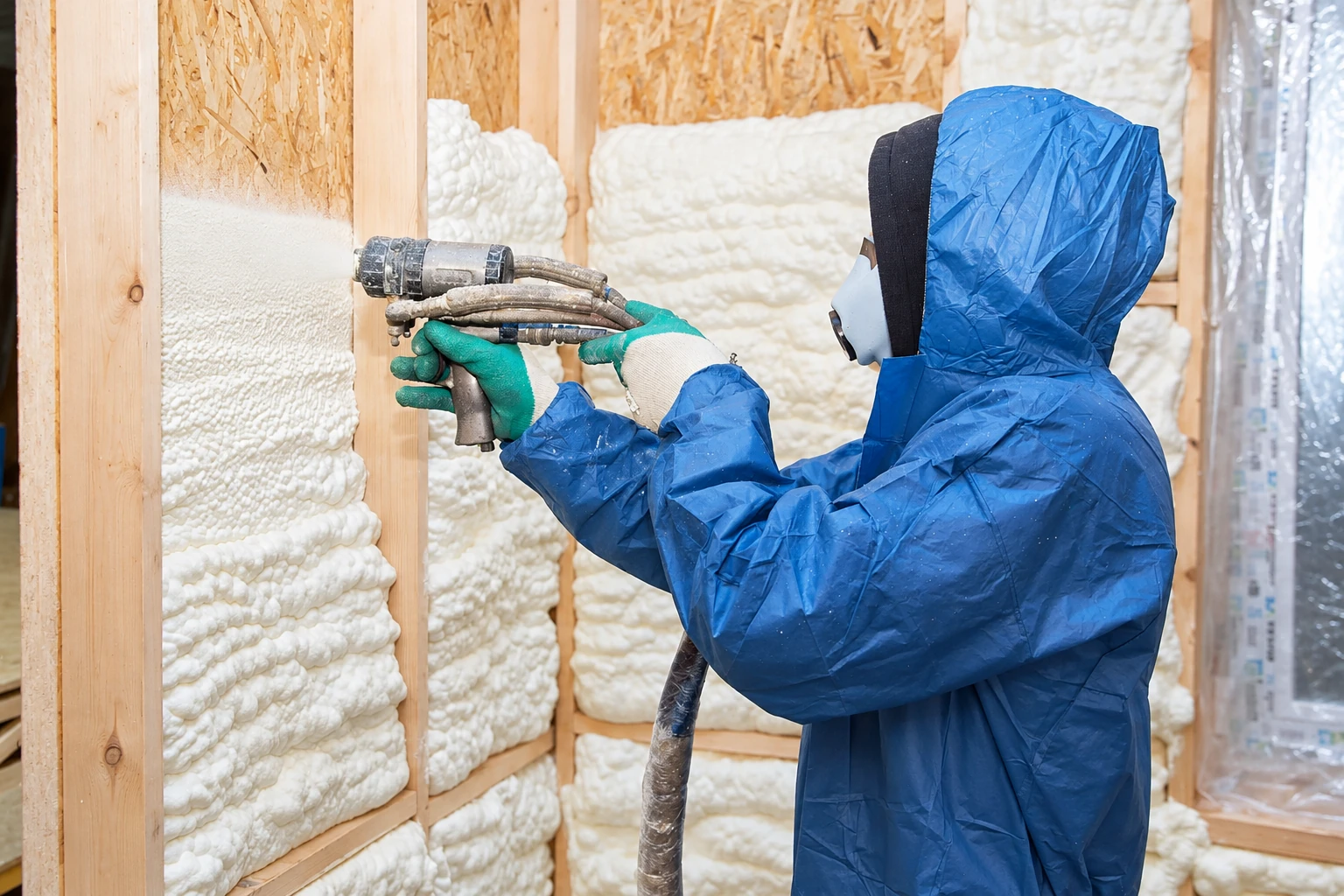
Closing the gaps that let air through around doors, outlets, pipes and where the walls meet the foundation, so insulation isn't fighting a draft. It's often the first step.
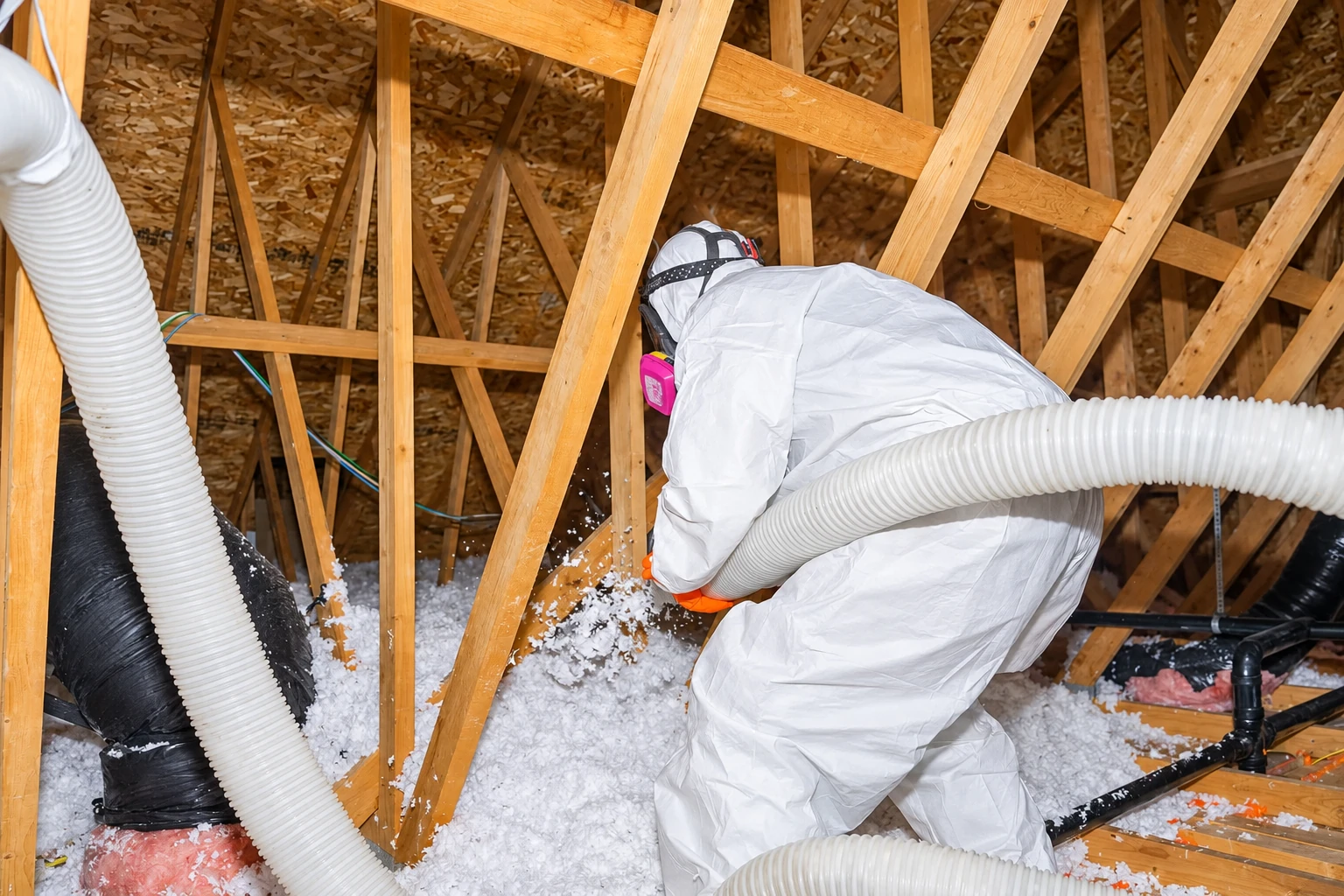
For a chilly basement or one you're finishing. We insulate the walls and the band where the house framing sits on the foundation, with material that holds up to moisture.
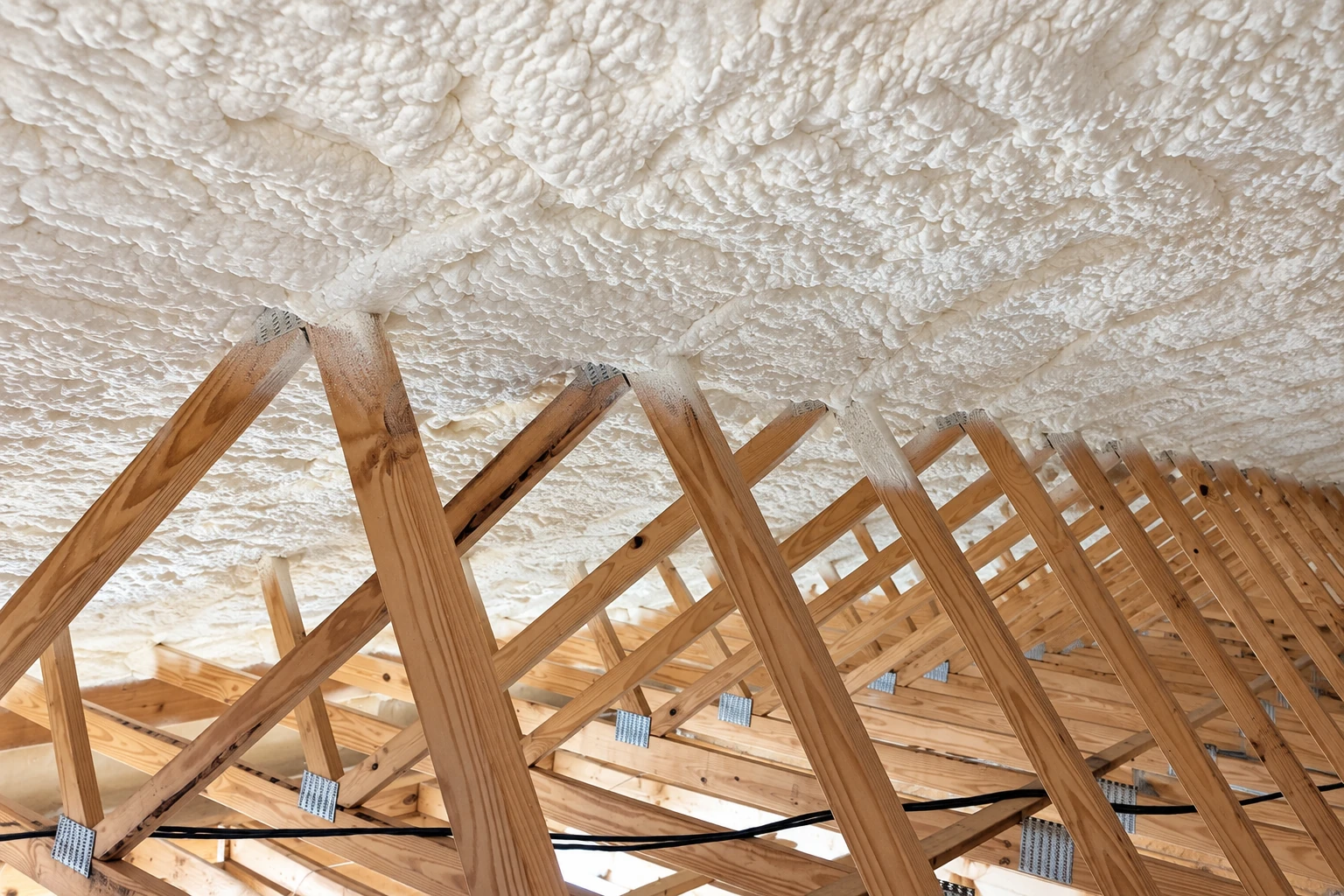
A dense foam that blocks moisture as well as air, so it suits crawl spaces, basement walls and metal buildings. It costs more, so we save it for those.
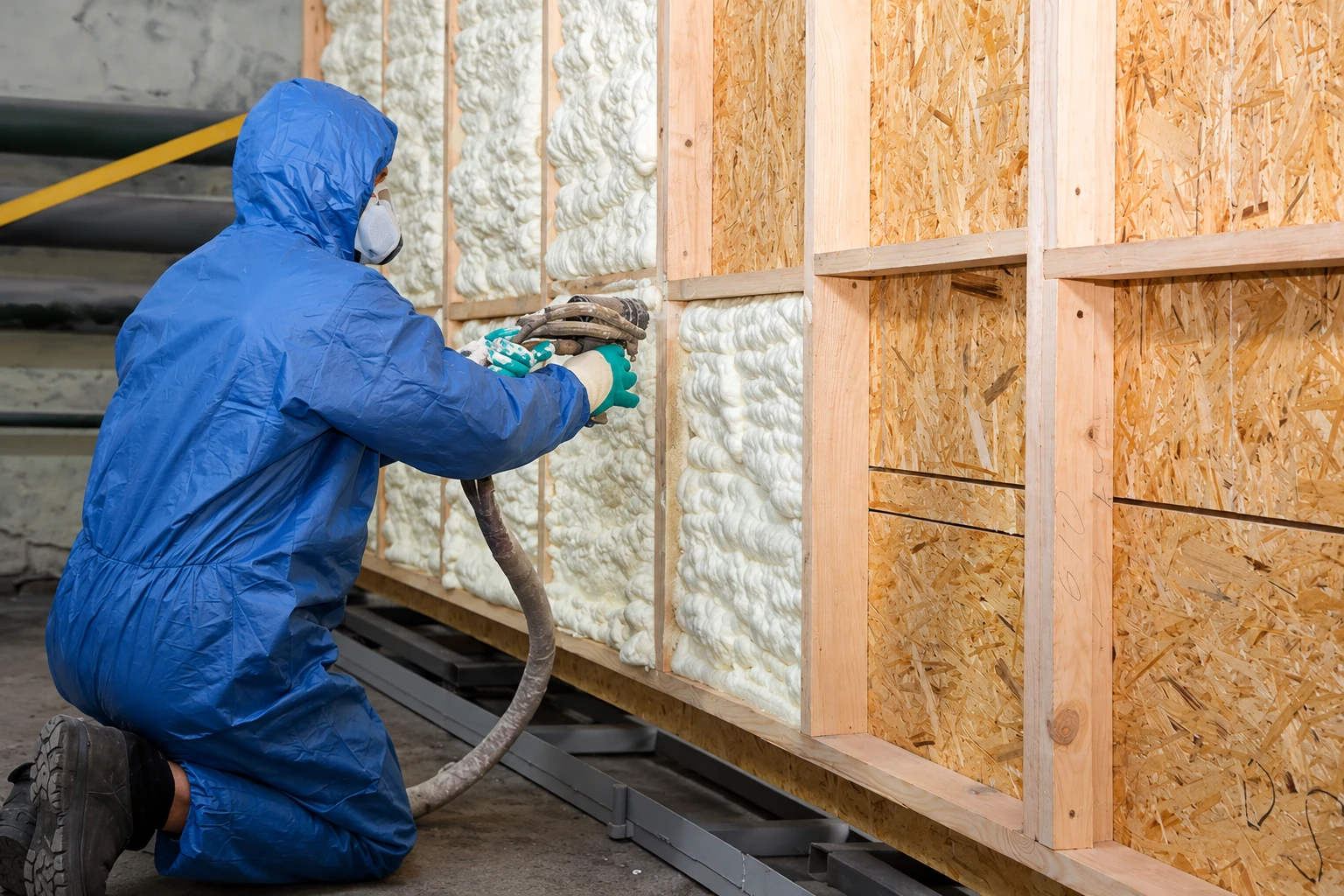
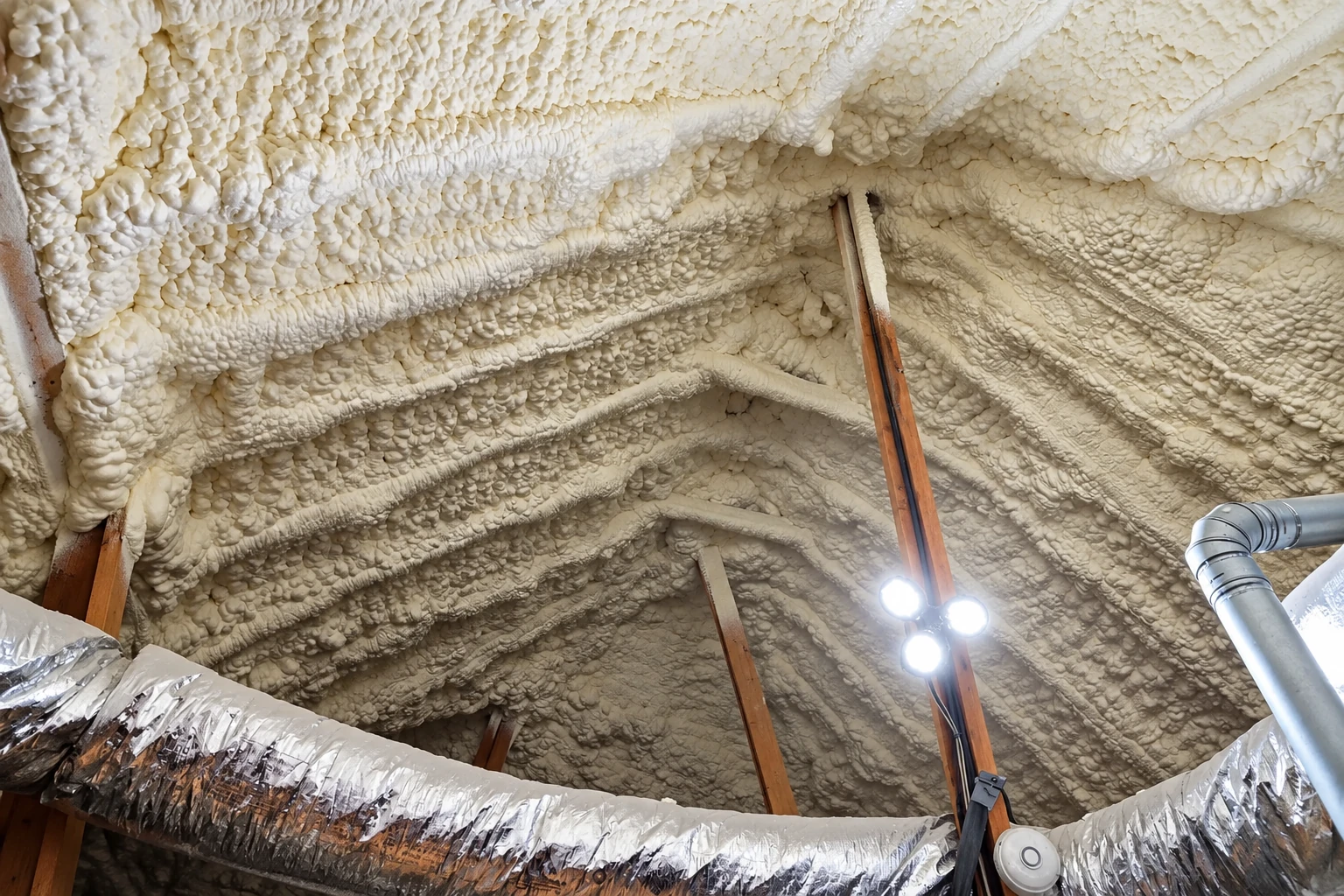
A softer foam that fills odd spaces and seals air, often sprayed under the roof deck when ductwork runs through the attic. It's cheaper than closed-cell but lets moisture pass.
For building owners with offices, shops or metal buildings. I look at what's there first, the same as a house, and we plan the work around your business hours.
A heavy plastic sheet laid over the dirt floor so ground moisture stays out of the framing and insulation above. Standing water gets sorted out before it goes down.
A moisture layer on the right side of a wall, ceiling or floor, so damp air doesn't condense inside it. I'll tell you which side and why.
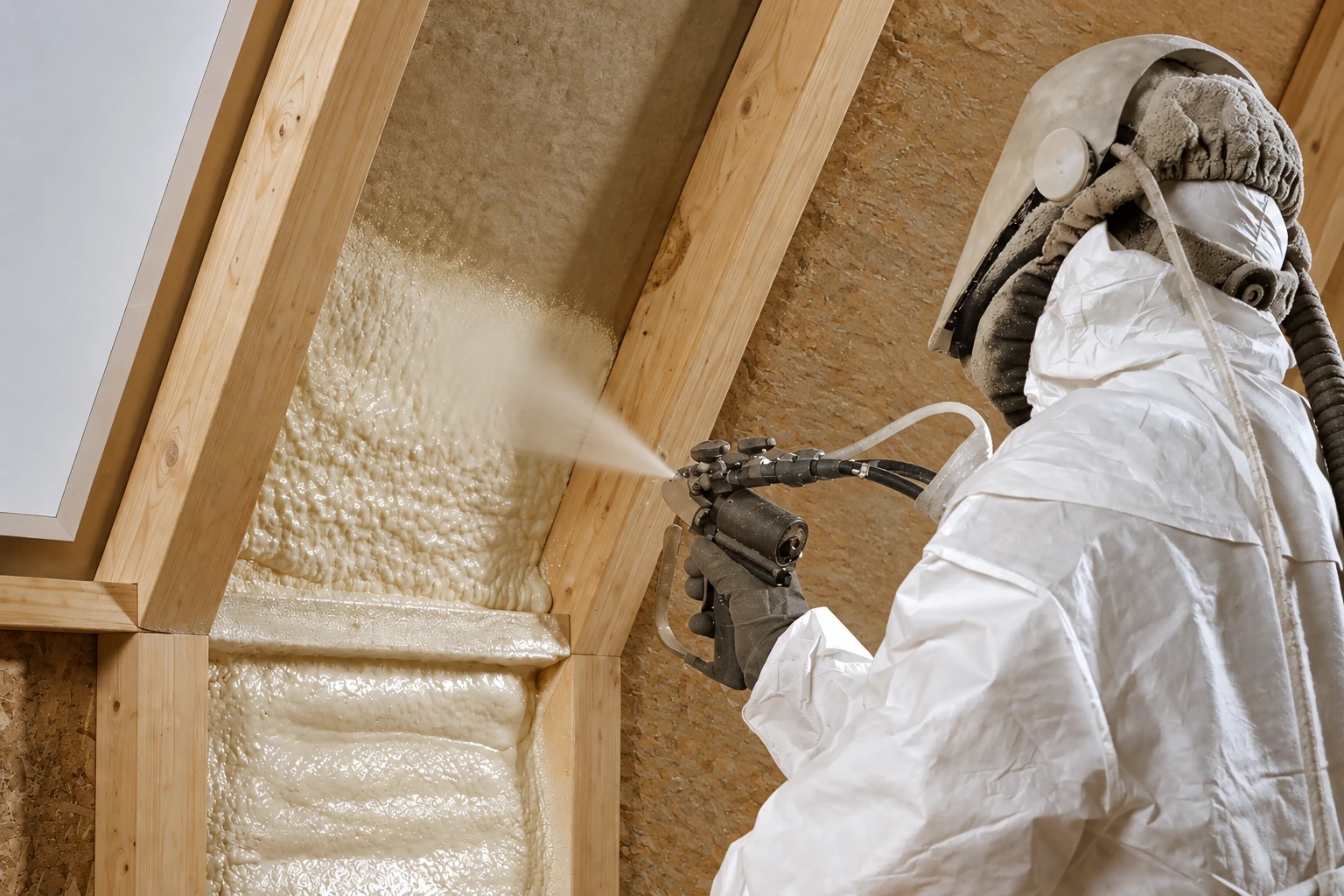
We seal around can lights, the attic hatch, plumbing vents and wire holes before any insulation goes in, because air leaking through those gaps carries heat right past it.
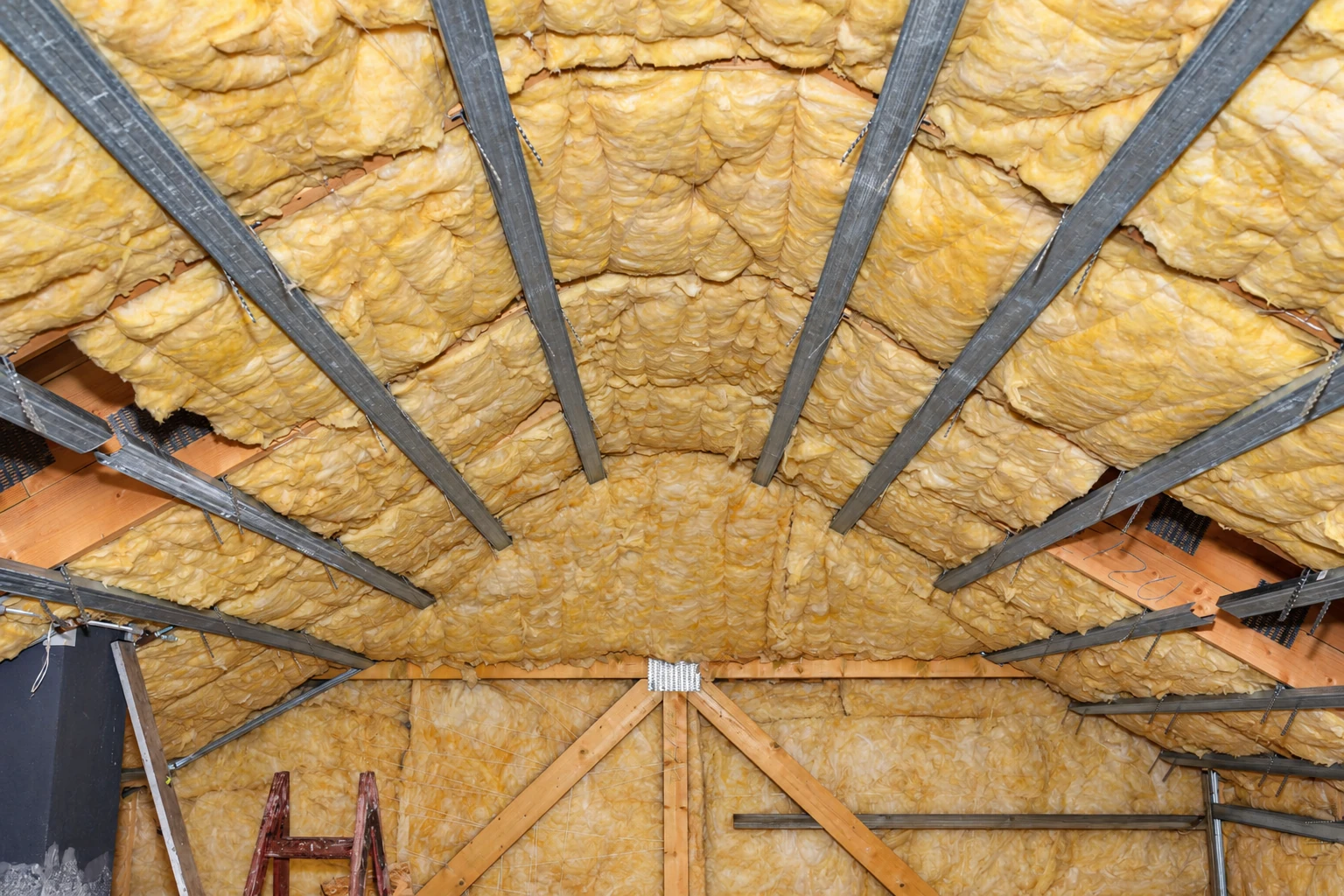
For a house that's already built and lived in. We add insulation to finished walls, attics and floors with as little tear-out as we can, and clean up each day.
I started this business in Conway in 2023, after years as the right hand to another insulation contractor, running his jobs and working on my knees in attics and on my back in crawl spaces. That's where I learned to look hard at what's already in a house before talking about adding anything.
I'd rather tell you a repair has to come first, or that you don't need the job at all, than sell you something that hides a problem. We're licensed and fully insured, with satisfaction guaranteed. You can read more about us, or call (501) 273-0205 for a free estimate.
You see what's actually in your attic, walls or crawl space and what it needs, and if the answer is nothing, I'll say so.
Leaks, old wiring or suspect material get dealt with before anything covers them, because fresh insulation over a problem only hides it until it shows up somewhere worse.
Rules differ from city to city, so I check with the local office about each job before we begin, and if the work needs a permit, we take care of it.
From your first call to the final walkthrough, here's what happens and who you'll deal with.
Call (501) 273-0205 or send the form, and you'll hear back within one business day, whether it's a hot upstairs, a drafty room or a whole building.
I look over your attic, walls or crawl space, free and with no obligation, then write down what I found and what I'd do, in the order I'd do it.
Once you decide to go ahead, our crew does the job with me or a lead installer on site, and we walk the finished work with you.
These example photos show spray foam, blown-in attics and crawl space barriers, so you can point to what you'd like to talk through.
Fill out this form or reach us through the contact page, and we'll reply within one business day to set a time for my visit. The estimate is free, with no pressure and no obligation.
A hot upstairs, cold floors, the room over the garage or a power bill that jumped tells me where to look first when I come out.
The house's age and how many inches are already up there, if you know, help me know what to bring and what I'm likely to find.
I want you to understand the job well enough to decide for yourself, so there's no pressure, and saying no costs you nothing.
Here are the questions people in Conway ask most about insulation, from cost and crew time to when you can come back inside.
It depends on your house, so your own number comes from the free estimate after I've seen it. Price moves with how many inches are already up there, whether old material has to come out, which material you pick and how tight the space is to work in. Removal tends to surprise people, since nobody knows old insulation has gone bad until someone looks.
Usually not for a plain attic. Foam costs more and seals air while it insulates, but sealing the gaps and topping up loose fill usually gets you there for less. Foam earns its cost when your ductwork runs through the attic, because it can bring that space inside the part of the house you heat and cool.
It depends on the size of the attic, how easy it is to move around in, and whether old insulation has to come out or gaps need sealing first. A simple top-up goes much faster than a removal job. I'll tell you what to expect for your house at the estimate, once I've seen the space.
Usually yes for spray foam, and usually no for blown-in. Fresh foam gives off fumes while it cures, so you, the kids and the pets stay out until the re-entry time, the point it's safe to come back in for that product. I'll tell you the wait for your job before we start.
It depends on the job, so I check with the city about yours before we start. Conway's Building Permits & Inspections office issues permits for remodels and additions, and electrical, plumbing, gas and mechanical work each need their own. Work starts only after a needed permit is issued.
A free look tells you what's already in there and what, if anything, needs doing first, before you spend money on new insulation.