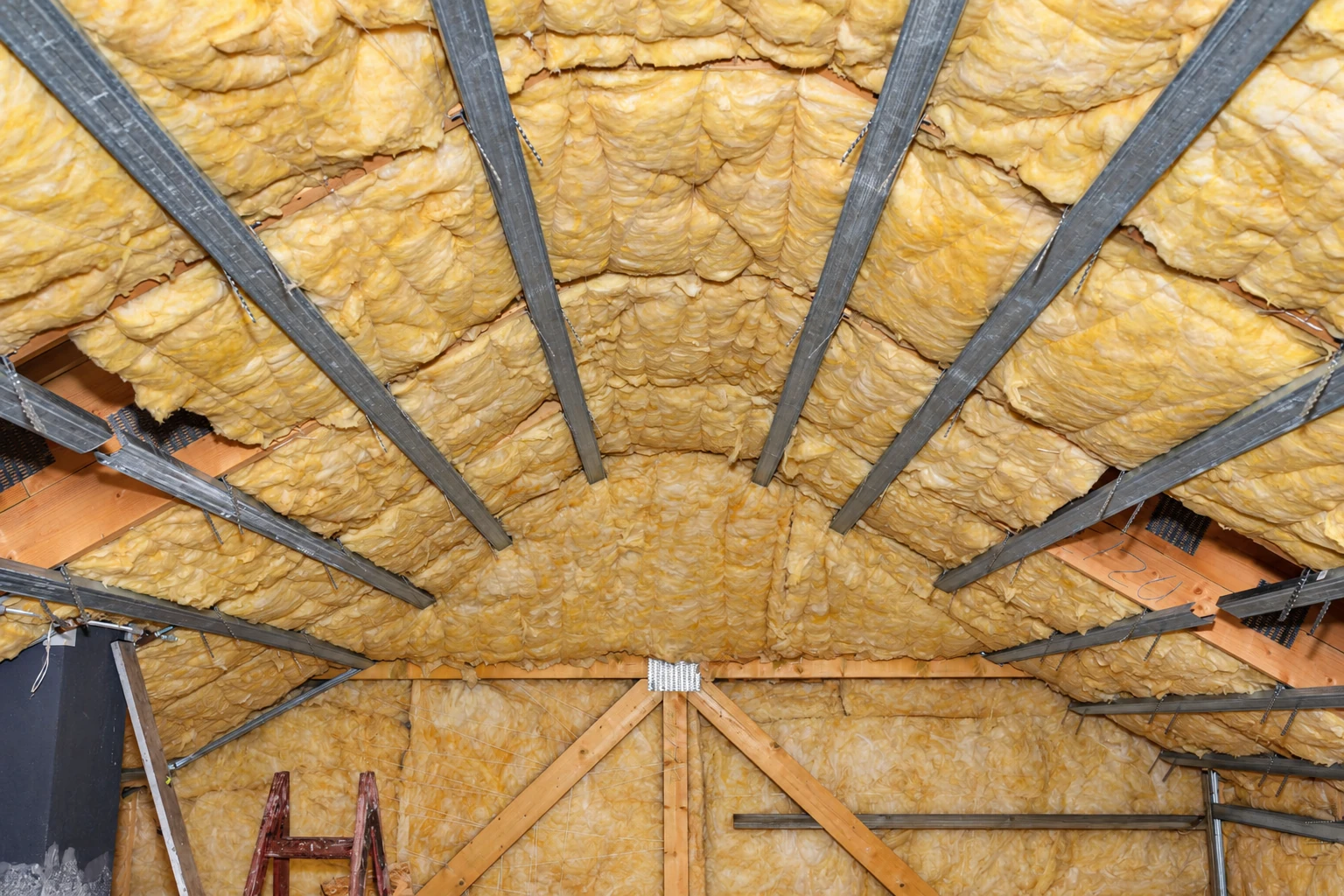
Spray foam insulation
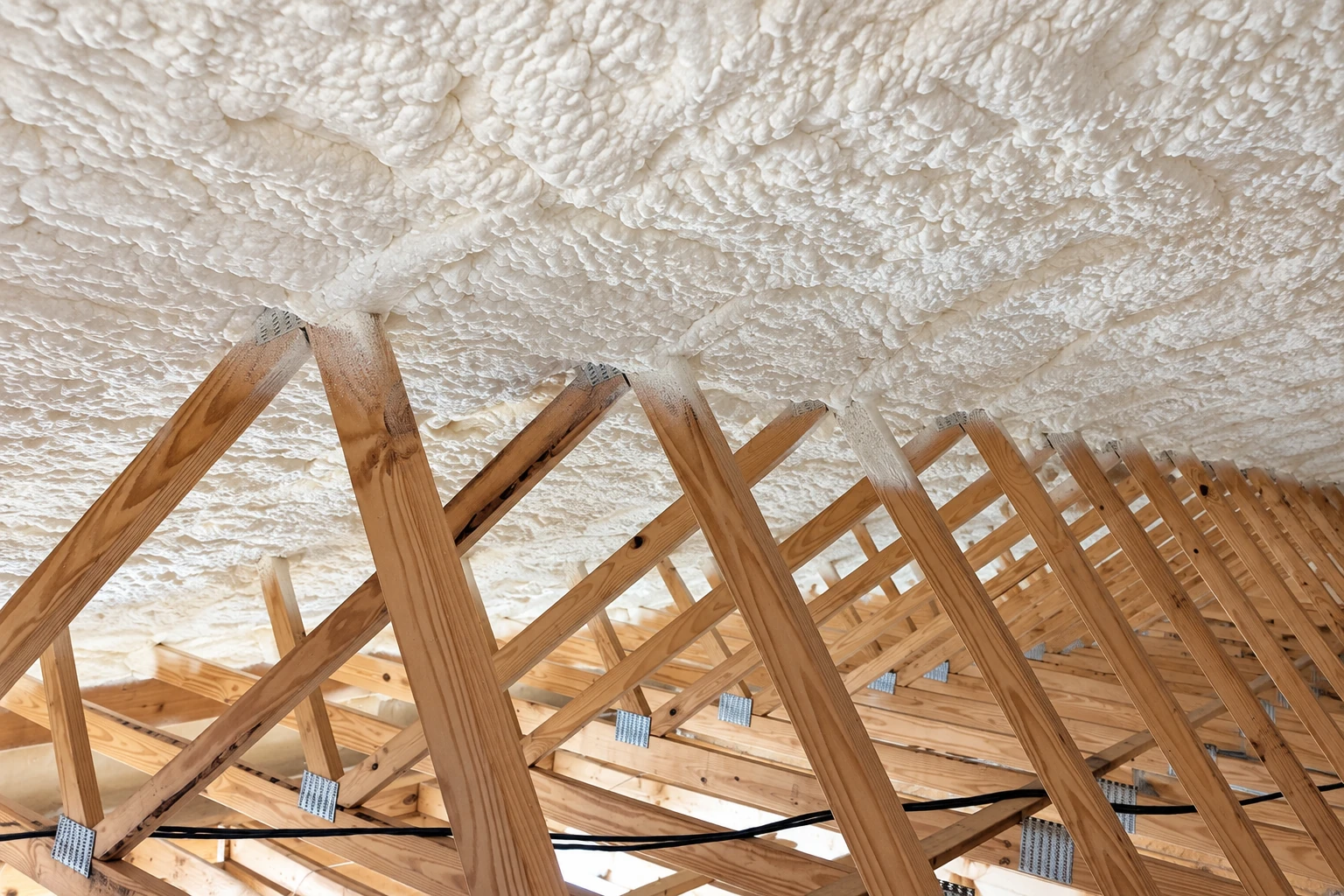
Foam seals air and insulates in one pass, but it costs more, so we usually suggest it when your ductwork runs through the attic.
Beacon Conway Spray Foam Insulation is an insulation contractor based in Conway that works in Bryant. We seal attics, top up or replace tired insulation, and insulate crawl spaces, walls and the room over the garage.
Bryant is the south end of the area we cover from Conway, and the calls here sound a lot like the ones we get in Little Rock and up in Cabot: a hot upstairs, a cold floor over the crawl space, a power bill that keeps climbing. Several things move the price. One is what's already in the attic and whether it has to come out first. Others are how many gaps need sealing, how easy the space is to get into, and whether you go with foam or loose fill. The schedule turns mostly on removal and on whether the city wants a permit. I come out, look and write down what I found and what I'd do, in the order I'd do it, so you get a figure for your own house.
Some of Bryant sits in flood zones FEMA has mapped, and in those zones the city says no work of any kind starts until a flood hazard development permit is issued. For a single-family house, that application goes to the city's permitting office, so I ask Bryant's Planning and Development office about your house before we set a start date.
If the old insulation is wet or full of droppings, it comes out before anything new goes in, because fresh material over a mess just hides the problem.
We close the gaps around can lights, pipes and the attic hatch first, so the new insulation isn't fighting a draft coming up from the rooms below.
We keep the vents at the eaves clear and carry full depth out to the edges, because a buried vent traps moisture and thin edges leave cold spots.
Foam seals air and insulates in one pass, but it costs more, so we usually suggest it when your ductwork runs through the attic.
We measure how many inches are already up there and check for wet spots and droppings. Then we seal and bring the attic up evenly, edges included.
Blown-in is loose fill blown through a hose, and it's often the simplest way to top up an attic that has settled thin over the years.
When a few rooms run hot or cold, we look at the attic, walls and crawl space together, so we fix the cause and not just one room.
Soaked or rodent-fouled insulation comes out before anything new goes in, because covering it keeps the smell, the moisture and the problem in your house.
Cold floors usually trace back to the crawl space, so we check what's under there for damage and moisture before we insulate between the floor joists.
Older exterior walls often have little or nothing inside them. We fill them through small openings so drafty rooms hold their heat without tearing out the drywall.
We close the gaps around pipes, wires, can lights and the hatch before we insulate, because that's usually where a drafty room loses its air.
Basement walls stay cool and damp, so we pick material that handles moisture and seal the rim where the house framing sits on the foundation.
Closed-cell foam is dense and blocks moisture, so it suits rim joists, crawl space walls and other spots where damp air would soak regular insulation.
Open-cell foam is softer and lighter. It works well under the roof deck when we're bringing the attic inside the house to protect the ductwork up there.
For building owners, I walk the property first and then lay out the work in order, so tenants and the daily business are disturbed as little as we can manage.
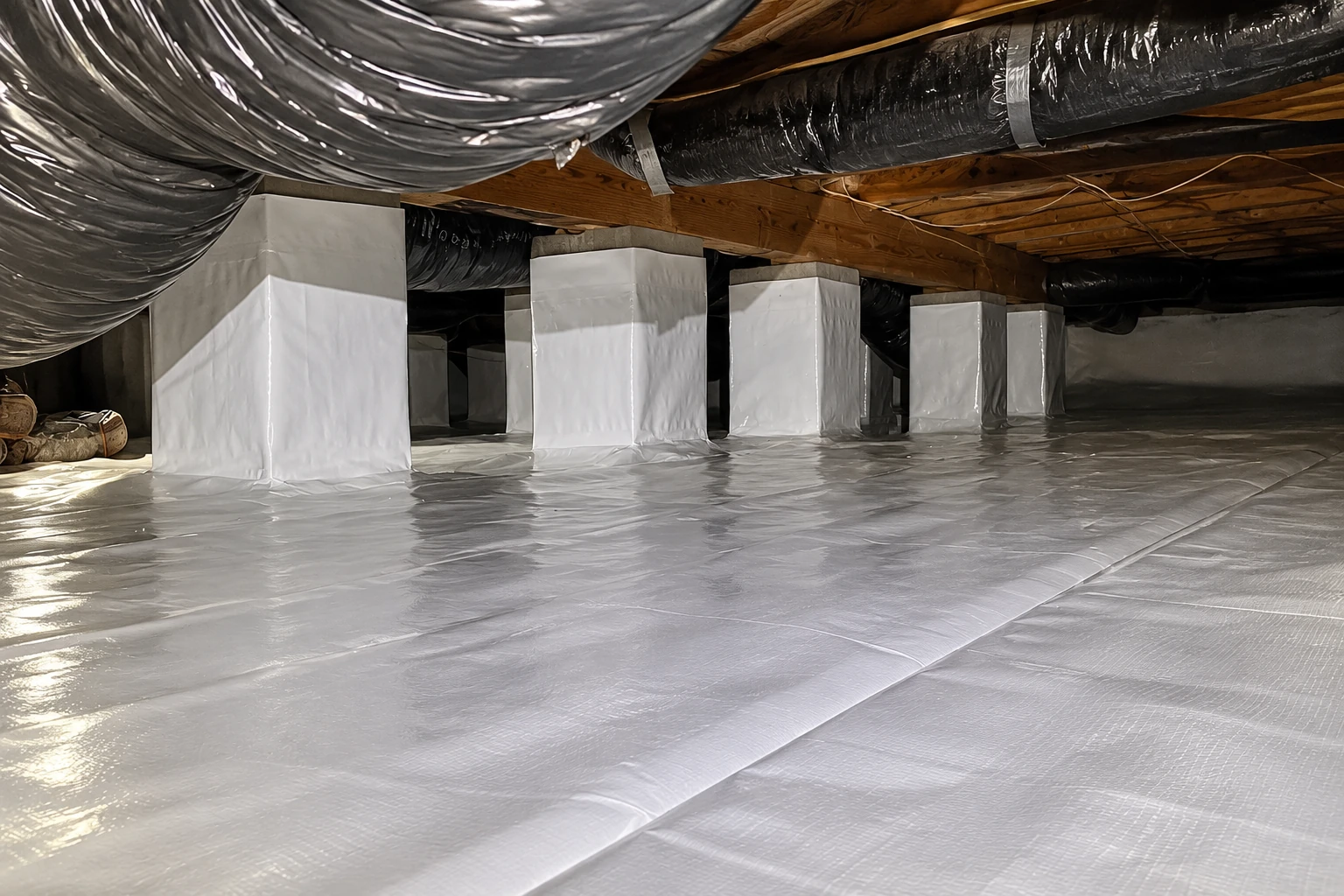
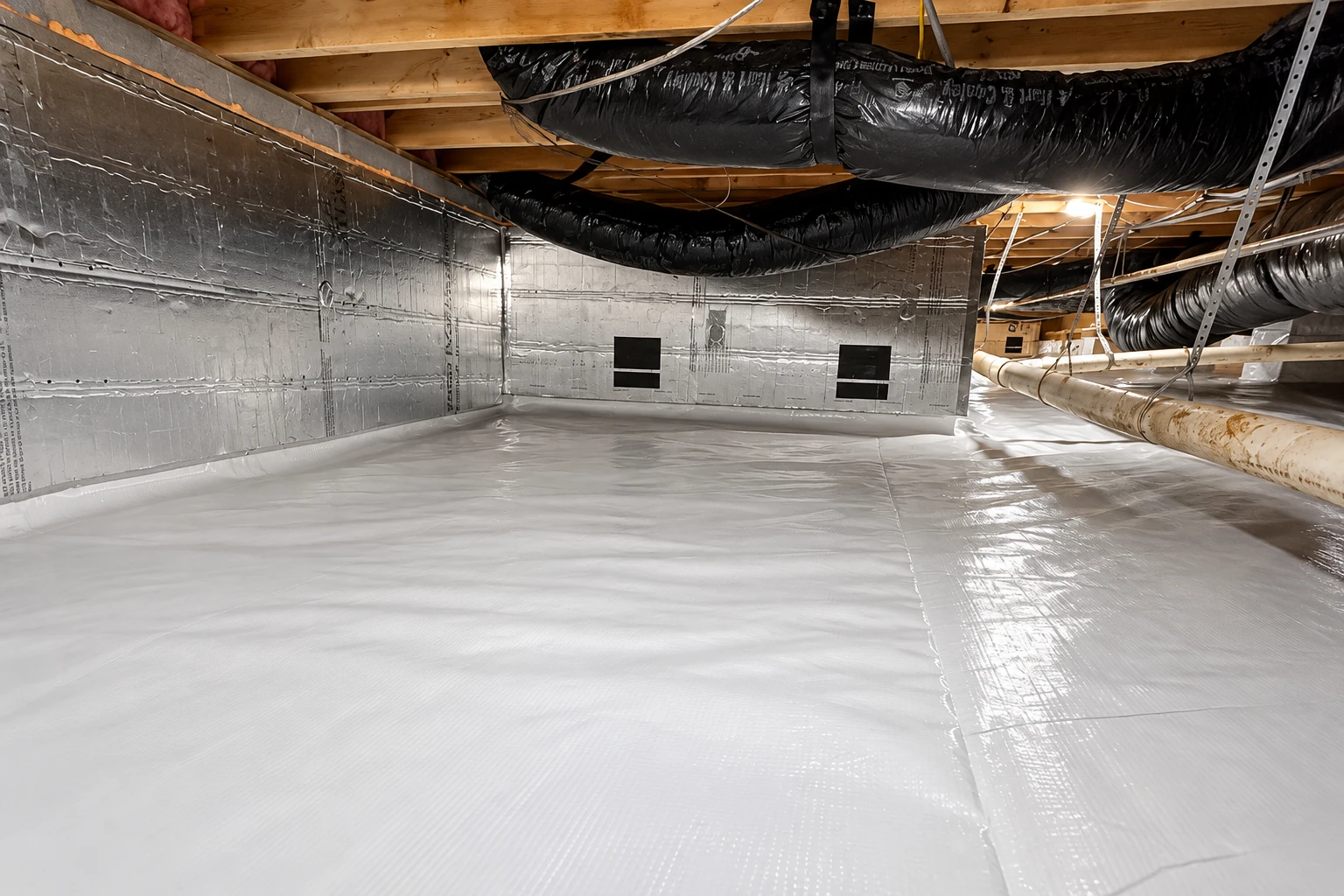
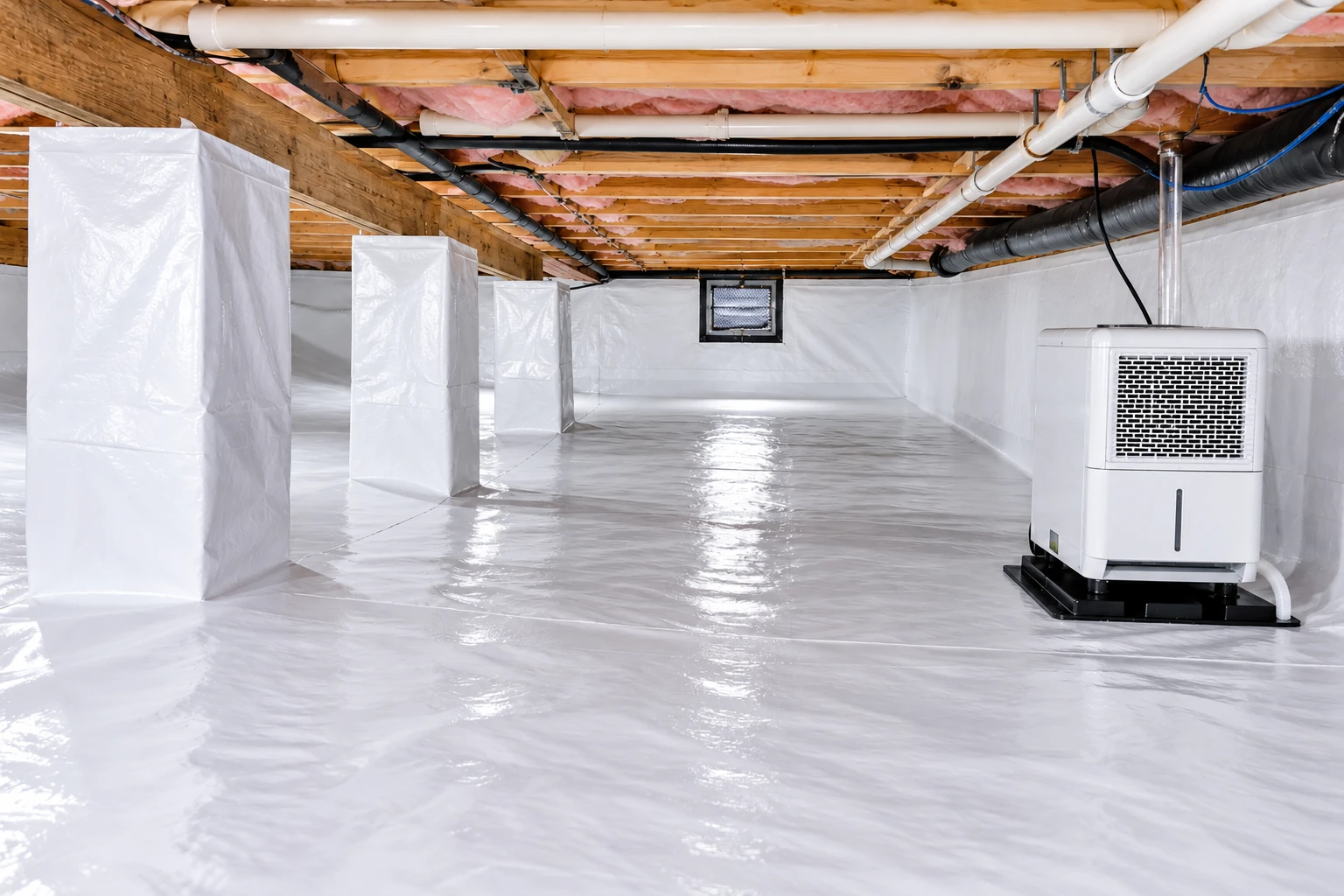
A plastic barrier over the crawl space dirt keeps ground moisture from rising into the floor and the insulation, and we seal its seams and edges.
We put the moisture barrier on the correct side of each wall, floor or crawl space, because a barrier on the wrong side can trap water in the framing.
Before new insulation goes up, we seal the attic floor around lights, plumbing stacks and the hatch, so less of your heated or cooled air leaks upstairs.
In an older house we work around what's already built. We add insulation to attics, walls and floors once any damage underneath has been fixed.
Send the form or call, and we'll reply within one business day to set a time. I come out myself, free and with no obligation, and write down what I found and what I'd do, in order.
I come out to look at each house myself. Our crew then does the work with me or a lead installer on site, so what I saw is what gets done.
If something has to be fixed first, it goes at the top of the list. If your attic doesn't need more insulation, I'll tell you that too.
You keep the written list either way, so you can compare it with other bids or do part of the work later on your own schedule.
These are the permit and licensing questions Bryant homeowners ask most before they let anyone up into the attic or under the floor.
That's the city's call, so I ask the city about every job before we start. Bryant's Planning and Development department handles permits and inspections, and the city says most renovations need one. If yours does, we take care of it. You can see the city's permits and fees page or call 501-943-0488.
Yes, unless the whole job costs $2,000 or less. The state requires home improvement contractors working on an existing house to be licensed by the Residential Contractors Committee, and the job can't be split into smaller contracts to get under that line. A Limited license covers residential projects under $50,000, labor and material included. We're licensed and fully insured.
For one- and two-family homes, the city charges $0.14 per square foot of area under roof. The minimums are $150.00 for a new building, $100.00 for an addition and $40.00 for an accessory building. The fee doubles if work starts before the permit is issued, which is why we don't start until that's settled.
We're based in Conway and work in many cities around central Arkansas, including the ones listed here. If your city isn't on the list, call and ask.
Call (501) 273-0205 or send the form with what you've noticed, so I know which rooms and spaces to look at first.