Spray foam insulation
Sprayed into rooflines, walls and rim joists, foam seals air while it insulates, but it costs more, so I recommend it mostly where ductwork runs through a Ward attic.
Beacon Conway Spray Foam Insulation is an insulation contractor based in Conway, AR, working in Ward on attics, walls and crawl spaces. We look at what's already in your house, fix what's wrong under it, then insulate and air seal.
Ward is a growing city in Lonoke County, and the insulation calls we get here come from newer houses in subdivisions as well as older homes on bigger lots. We're an insulation contractor based in Conway, and we work Ward the same way we do nearby Cabot and Beebe.
In the newer houses, the attic usually has blown-in insulation, loose fill blown through a hose, that's gone thin at the edges or was never sealed around the can lights and the hatch. In the older ones I'm more likely to find a few tired inches, cold floors over a bare crawl space, or material that got wet or full of droppings and has to come out first. That's what moves the price and the schedule: how much is already up there and what shape it's in, whether anything comes out before anything goes in, how many gaps need sealing, and whether foam or loose fill suits the house. At the estimate I write down what I found and what I'd do, in the order I'd do it, so the age and build of your house sets the job.
I come out to every job before it's quoted, and our crew does the work with me or a lead installer on site, so what I saw is what gets done.
Permit rules differ from city to city, so I check with the City of Ward about your job before we start, and if it needs a permit, we take care of it.
We're licensed and fully insured, and the city keeps its own business license, the Occupation and Privilege License, with a business search on its license page you can use before you hire anyone.
Sprayed into rooflines, walls and rim joists, foam seals air while it insulates, but it costs more, so I recommend it mostly where ductwork runs through a Ward attic.
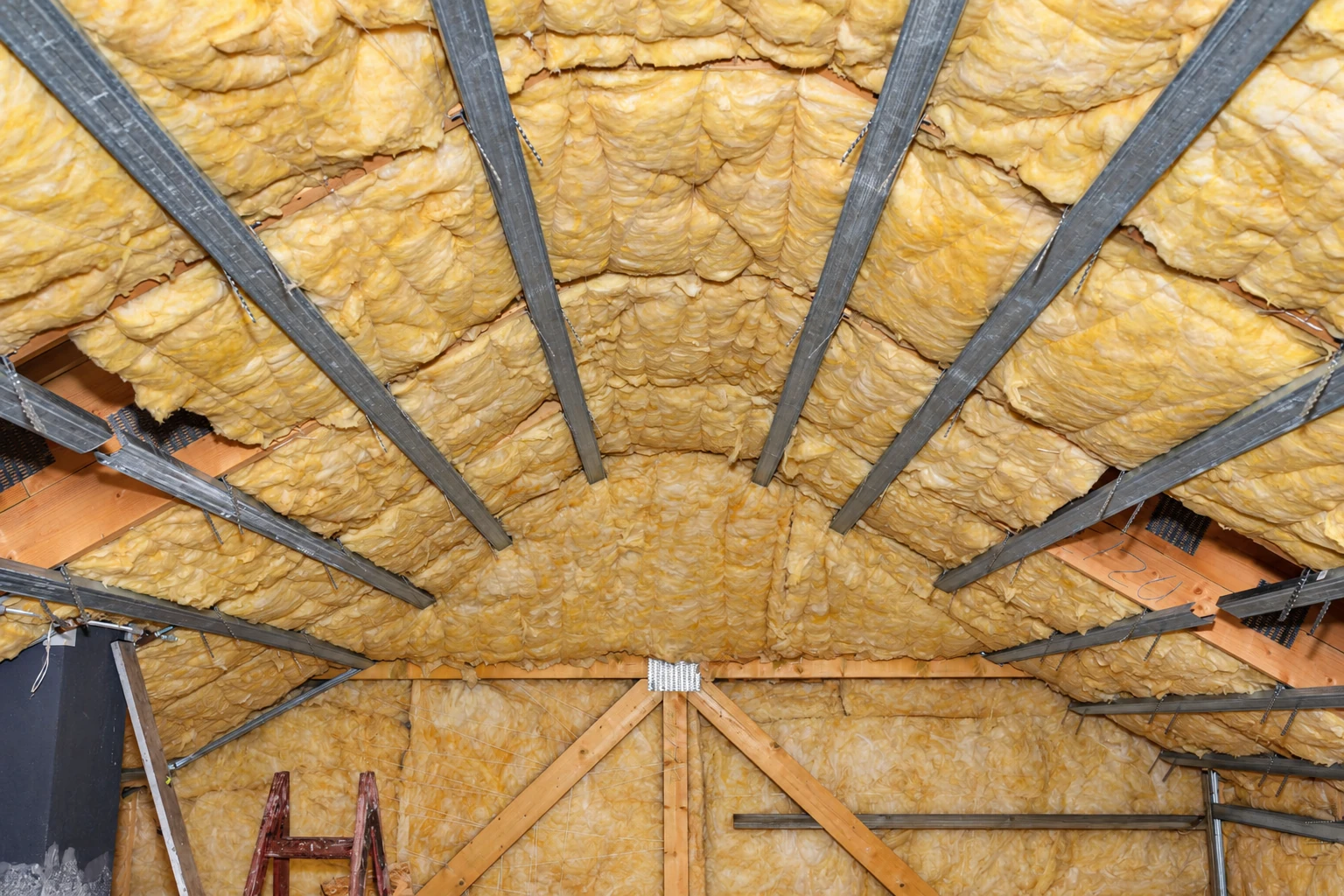
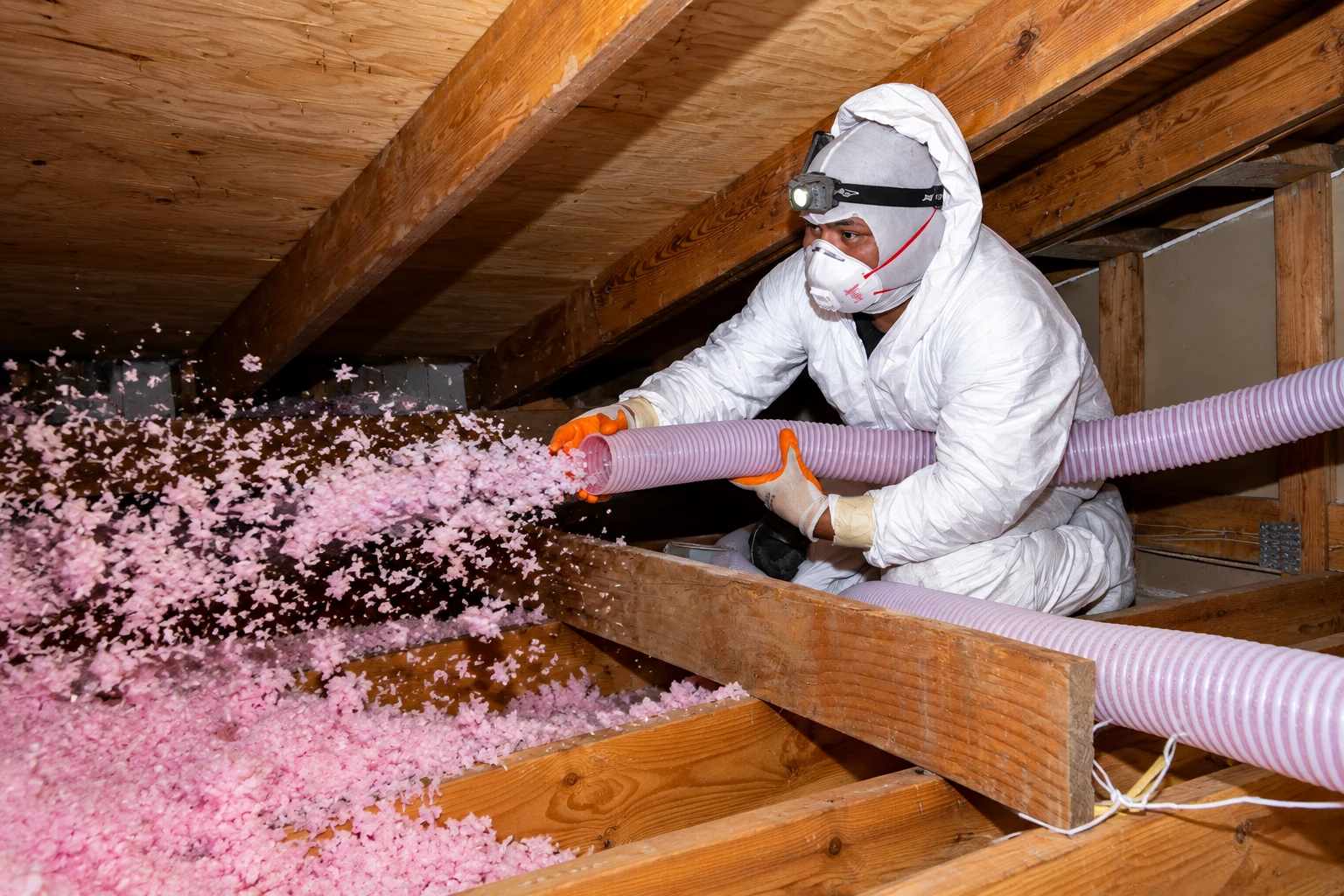
We check how many inches are already up there and what shape they're in, seal the gaps, then bring the depth up evenly, edges included, not just the middle.
Loose fill blown through a hose is usually the best value for topping up an attic, as long as the old layer is dry and the eave vents stay clear.
For the drafty room or the hot upstairs, I walk the whole house first, attic to crawl space, and tell you which fix comes first and which can wait.
When old insulation is soaked, crushed flat or fouled by animals, we bag it out and clean the attic, so new material doesn't go over the old problem.
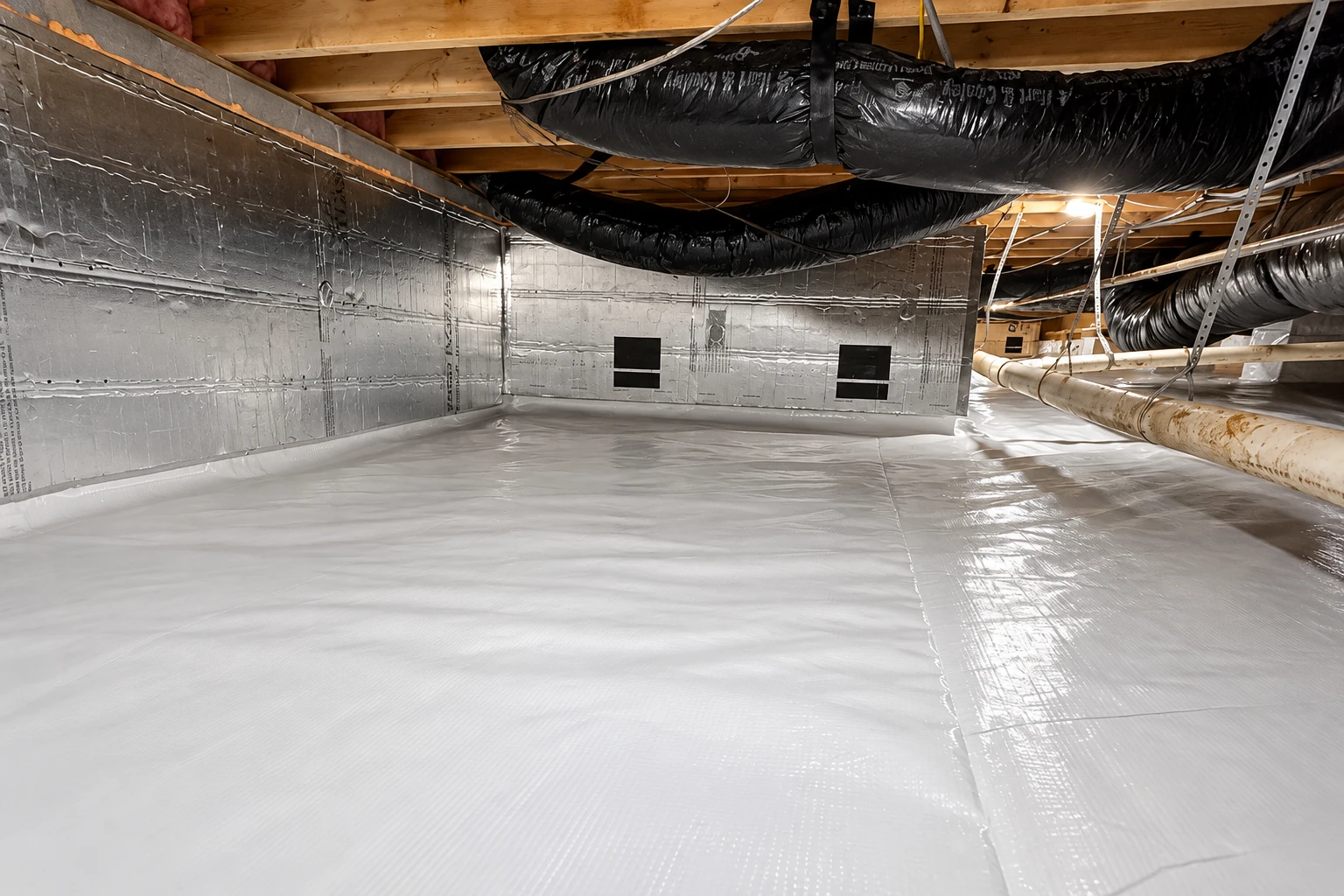
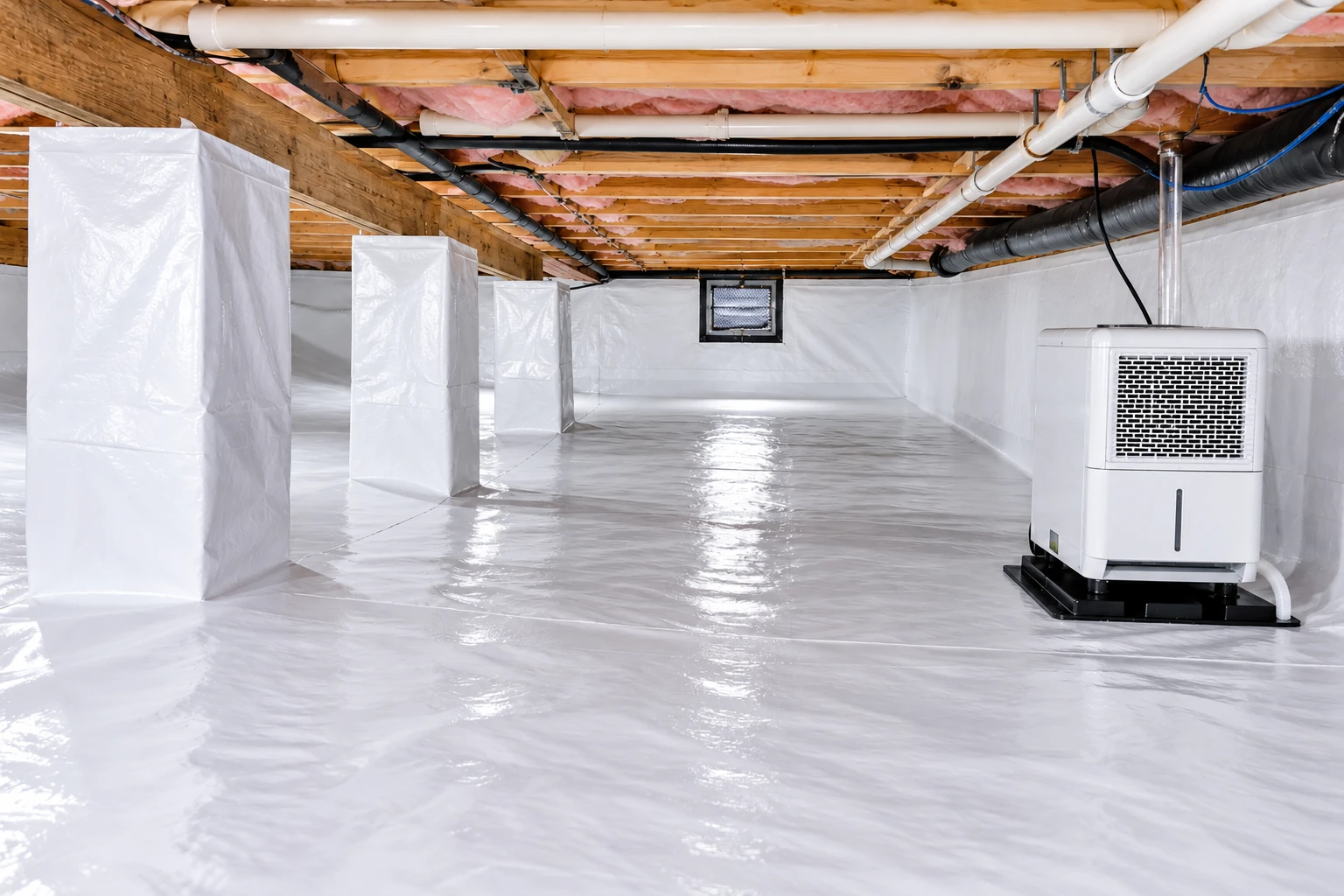
Cold floors usually start below the house, so we insulate between the floor joists in the crawl space and fix loose or fallen batts while we're down there.
In older walls with little or nothing inside, we can fill the cavities through small holes and patch them, which helps the rooms that never stay comfortable.
We close the gaps around pipes, wires, can lights and the attic hatch first, because insulation laid over a draft keeps fighting it and the power bill shows it.
Where a house has a basement, we insulate the walls and the rim joist, the framing that sits on top of the foundation, so cold stops creeping in there.
This dense foam blocks moisture as well as air, so it fits rim joists, crawl space walls and other damp spots where softer material would soak up water.
A softer, lighter foam that fills odd-shaped rooflines and wall cavities and seals air for less than the dense kind, though it isn't meant for damp areas.
For shops, offices and rental properties, I walk the building with the owner, check what's already in place, and write up the work in the order it should happen.
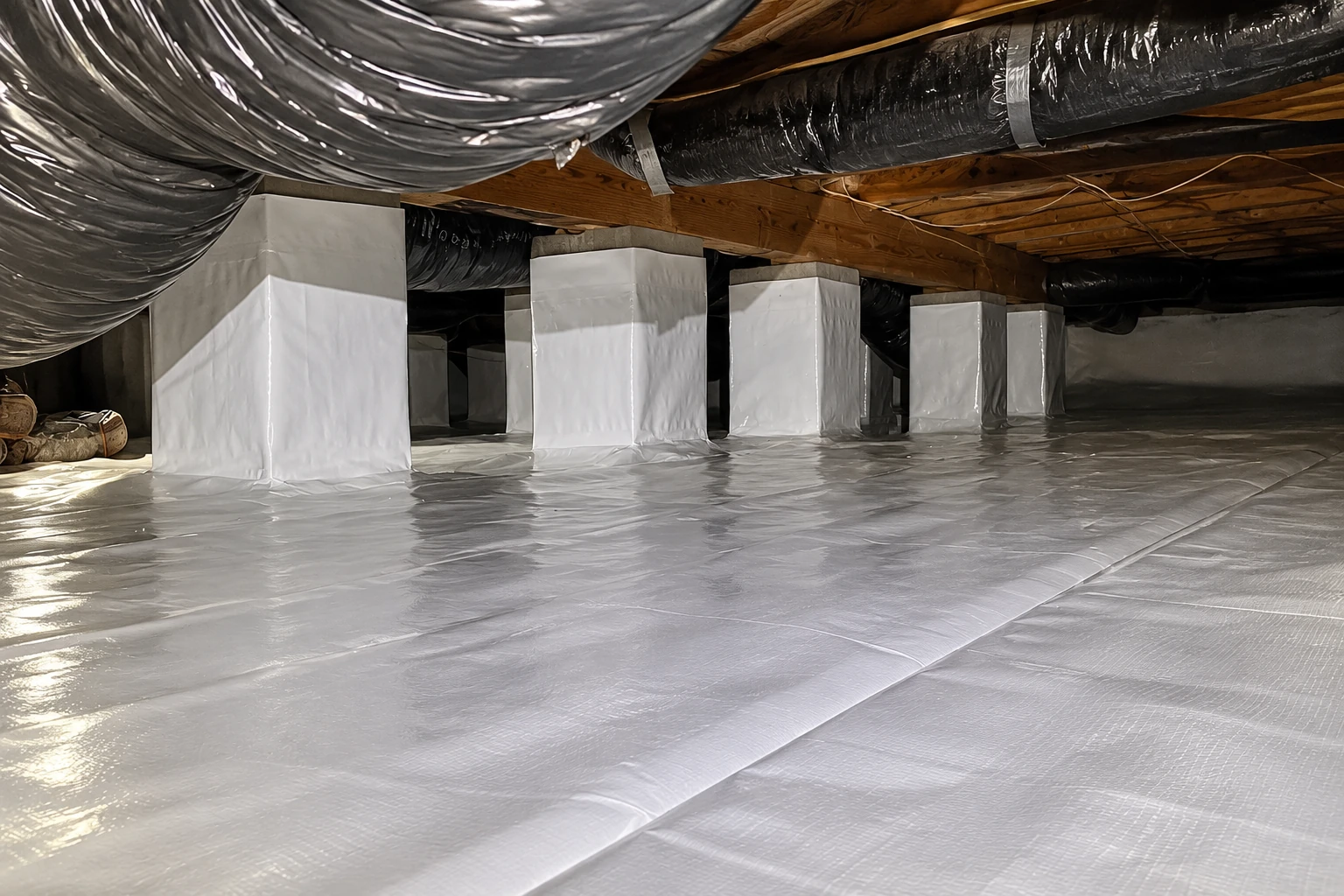
We lay a heavy plastic sheet over the crawl space dirt and seal its seams, so ground moisture stays out of the joists and the insulation above them.
Where a wall, ceiling or floor needs a moisture layer, we put it on the correct side of the insulation, because the wrong side can trap water in the framing.
Before any insulation goes up, we seal the top plates, the hatch, flue gaps and light boxes from inside the attic, because that's where a lot of warm air slips out.
For an older house built with less insulation, we add it where it's missing without tearing the house apart, working from the attic, the crawl space and the walls.
Send the form and we'll reply within one business day to set a time. I come out myself, and you get a written list of what I found and what I'd do, with no obligation.
The estimate is free and done on site, because the inches, the vents and any old damage in an attic only show up when I'm standing in it.
If what's up there is in good shape, I'll tell you so, because I'd rather you keep your money than pay for a job your house doesn't need.
That's our promise, and it starts before we begin, with you understanding the job well enough to make the call yourself.
Here are the questions Ward homeowners usually ask us about permits, inspections and what a day of insulation work looks like.
Ward's permit page lists new construction, changes to existing plumbing, HVAC, electrical and roofing, fences, storage sheds and a separate demolition permit. Insulation isn't named on its own, so whether your job needs one is a question for the city's Permitting Official, and that's the check I make before we start.
You apply in person at the Water Office inside Ward City Hall, 405 Hickory St, Monday through Friday between 8:00 am and 4:30 pm, or download the application from the city's permit page. City Hall closes from noon to 1 pm for lunch. The Permitting Official takes calls at (501) 843-7686 Ext. 101 and email at permitting@cityofward.com.
The city's Building Inspector reviews plans, inspects work while it's being built and makes site visits to check that local and national building codes are met. If your insulation job ends up under a permit, we plan the work around that inspection so the inspector can see what needs seeing.
Usually not for blown-in insulation, but yes for spray foam. With a loose-fill top-up you can stay home and keep the kids and pets clear of the hatch while we work. With foam, everyone, pets included, is out while it goes in and for a while after, and I'll give you the re-entry time, when it's safe to come back, before we book the day.
These are the central Arkansas cities with their own page on our site, but they aren't the only ones we work in. If yours isn't listed, call and ask.
Call (501) 273-0205 between 6 AM and 10 PM on weekdays or 8 AM and 10 PM on weekends, or send the form anytime.