Spray foam insulation
Foam seals air while it insulates, so it earns its higher cost where ductwork runs through the attic. Where it doesn't, I'll usually point you to something simpler.
Beacon Conway Spray Foam Insulation is an insulation contractor based in Conway, AR. In Greenbrier we insulate attics, walls and crawl spaces, close the drafty gaps, and pull out old insulation that's soaked or full of droppings.
What moves the price here is mostly what's already in the house. If old insulation has to come out, that adds work, and so does a tight attic or a low crawl space. The material matters too, since foam costs more than loose fill. The schedule turns on whether removal or a repair has to come first, and on any permit the City of Greenbrier says the job needs. At the estimate I write down what I found and what I'd do, in the order I'd do it, and that's where your own number comes from.
Greenbrier is a short drive north of our base, and we work there the same way we do in Conway and out west in Morrilton. The houses run from older homes in town to newer subdivisions and country places on bigger lots. In the older ones we usually find a few tired inches in the attic and a drafty crawl space with cold floors above it. In the newer ones it's more often a hot upstairs or a room over the garage that never keeps up, because the attic was covered fast and the edges were left thin.
I look at every Greenbrier job myself, and our crew does the work with me or a lead installer on site, so the person who saw your attic is close by.
If the old insulation is soaked or hiding a leak, I'll tell you that gets fixed first, because new material laid over it only buries the problem.
Sometimes sealing a few gaps does more than a truckload of new insulation. If that's your house, I'll tell you so and let you make the call.
Foam seals air while it insulates, so it earns its higher cost where ductwork runs through the attic. Where it doesn't, I'll usually point you to something simpler.
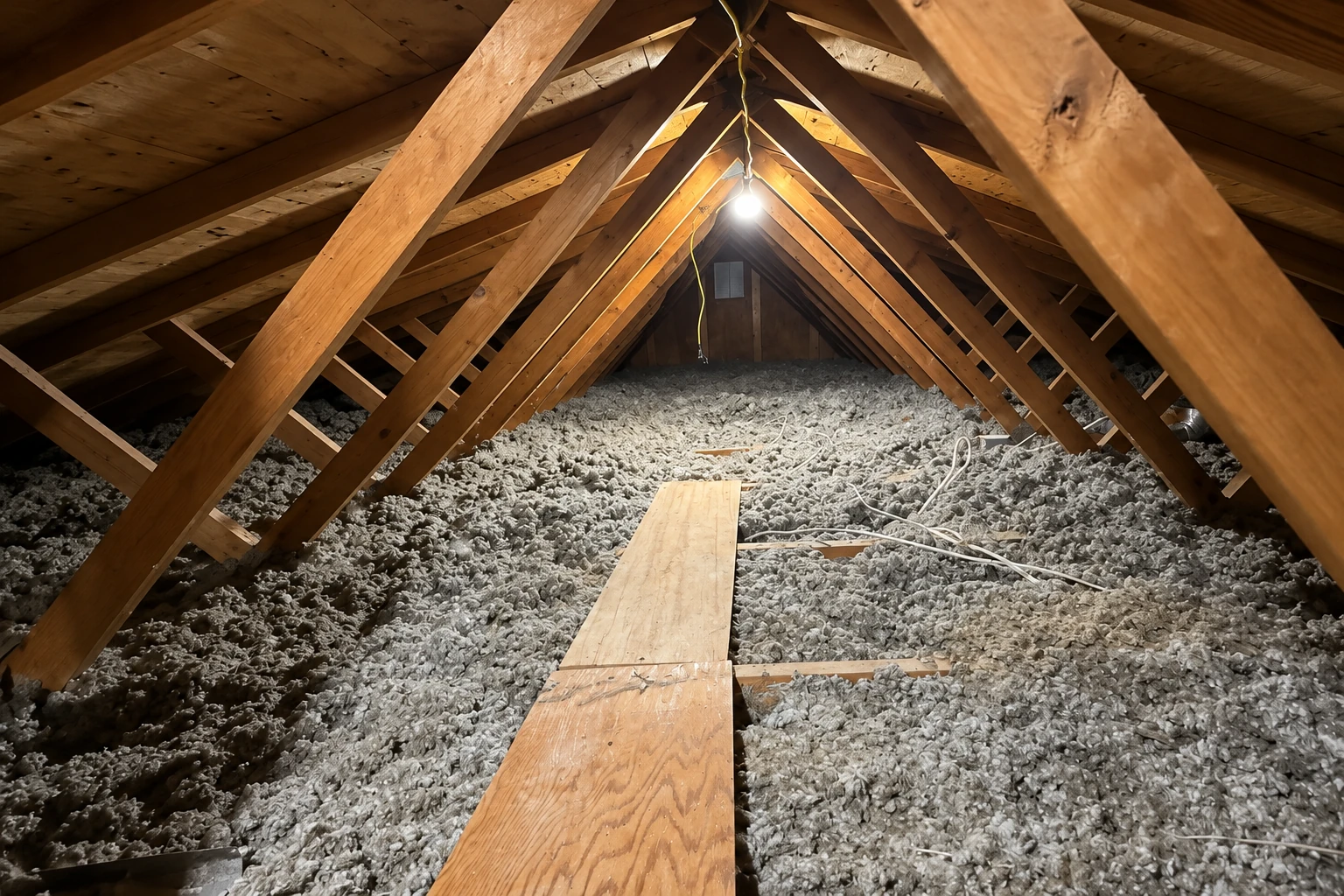
We measure how many inches are already up there and look for wet spots and droppings before adding any, so the new layer goes over a clean, dry attic.
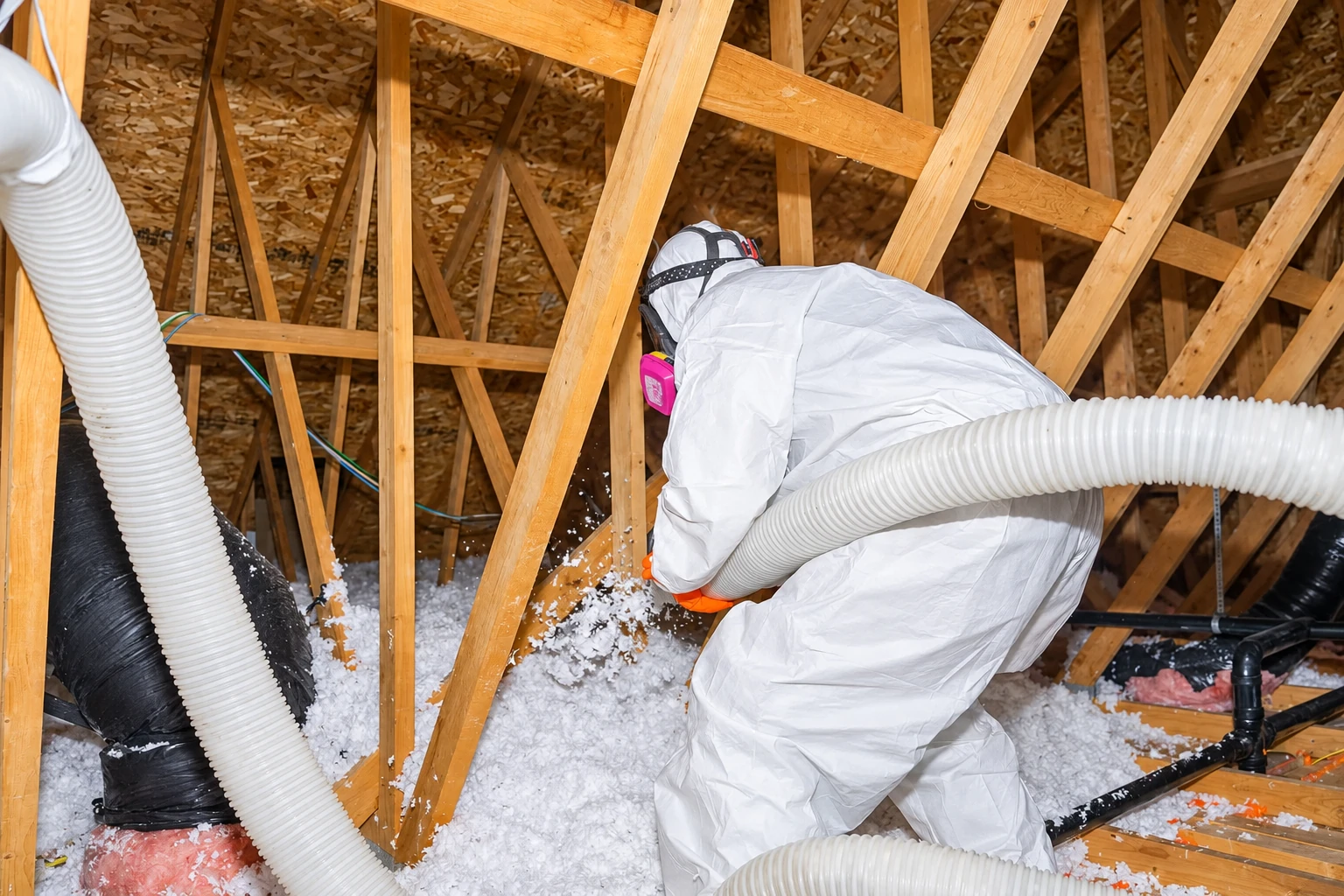
Blown-in is loose fill blown through a hose, and we run it full depth out to the edges, where hot upstairs rooms usually lose the most.
When rooms run hot or cold for no clear reason, I walk the whole house, attic to crawl space, and tell you which spot to fix first and why.
Old insulation that's soaked, moldy or full of droppings comes out before anything new goes in, because covering it keeps the smell and the problem in your house.
Cold floors over a crawl space usually mean the insulation underneath has sagged or fallen. We check for moisture first, then insulate so it stays put.
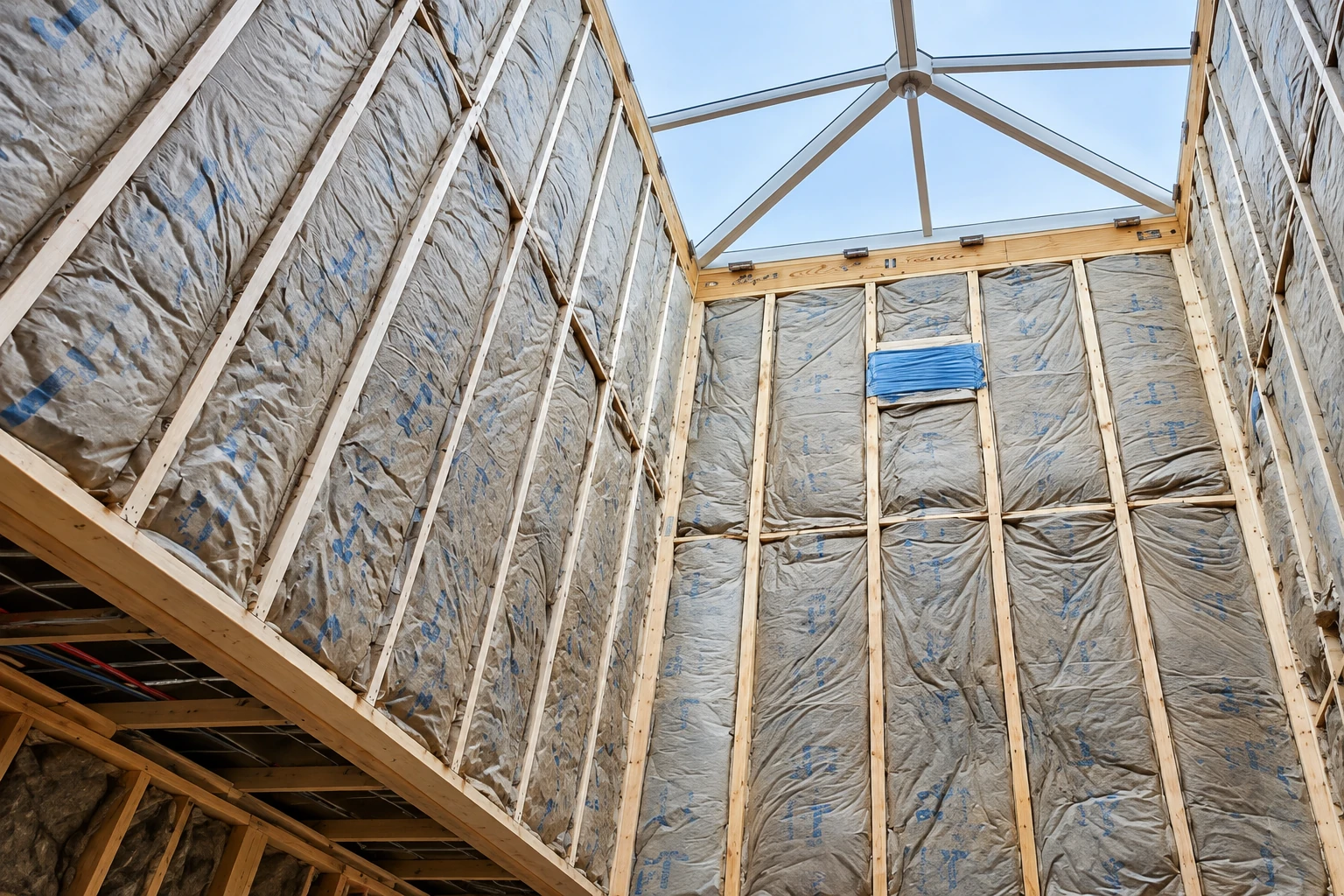
Older houses in town often have little or nothing in the walls. We can fill closed walls through small holes and patch them afterward.
Air sealing is closing the gaps where outside air gets in, around doors, pipes, outlets and the crawl space, so the house stops feeling drafty before any insulation goes in.
We insulate basement walls with materials that handle damp concrete, so a finished room down there stays closer in temperature to the rooms above it.
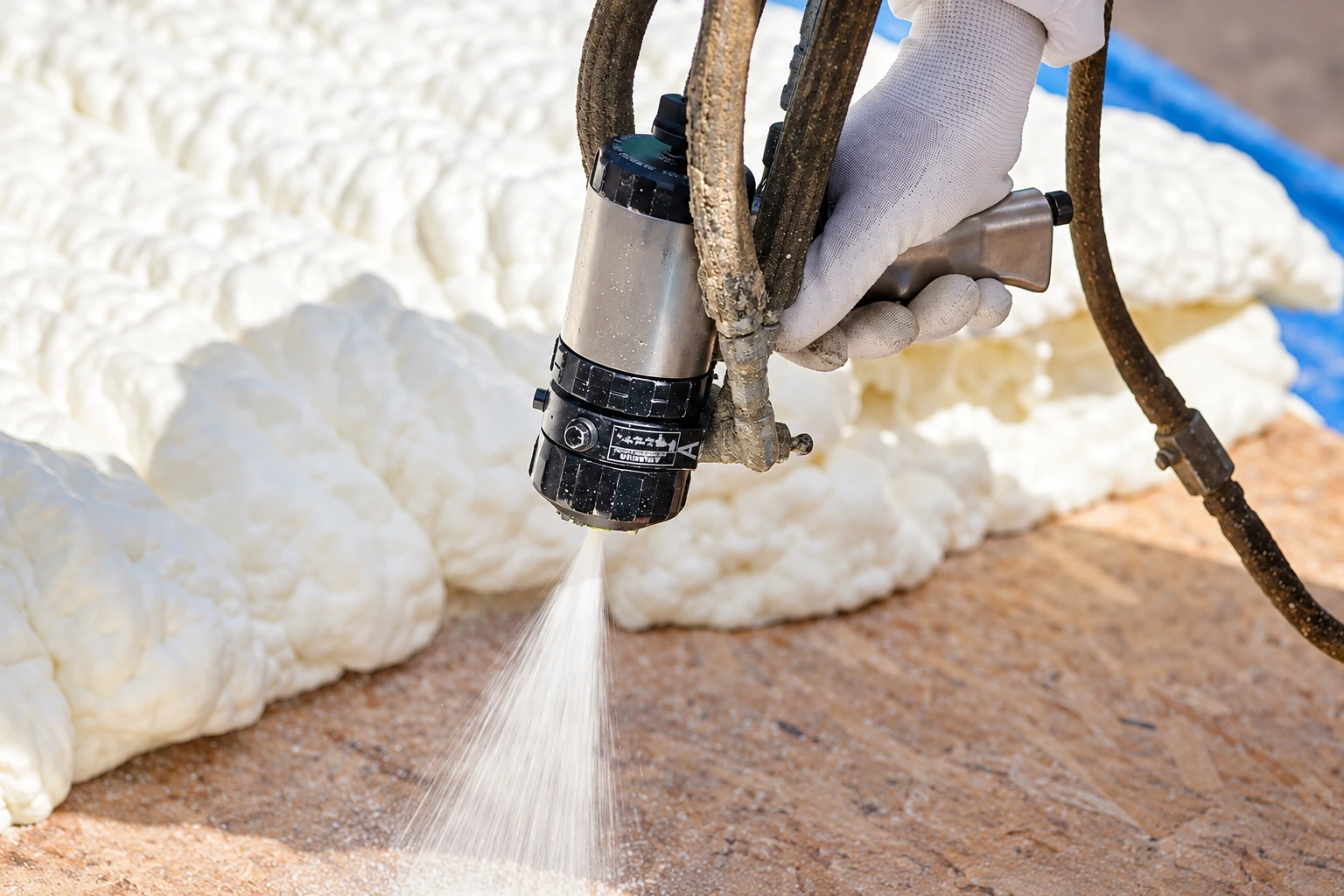
Closed-cell foam is dense foam that blocks moisture, so we use it on damp crawl space walls and the wood band along the top of the foundation.
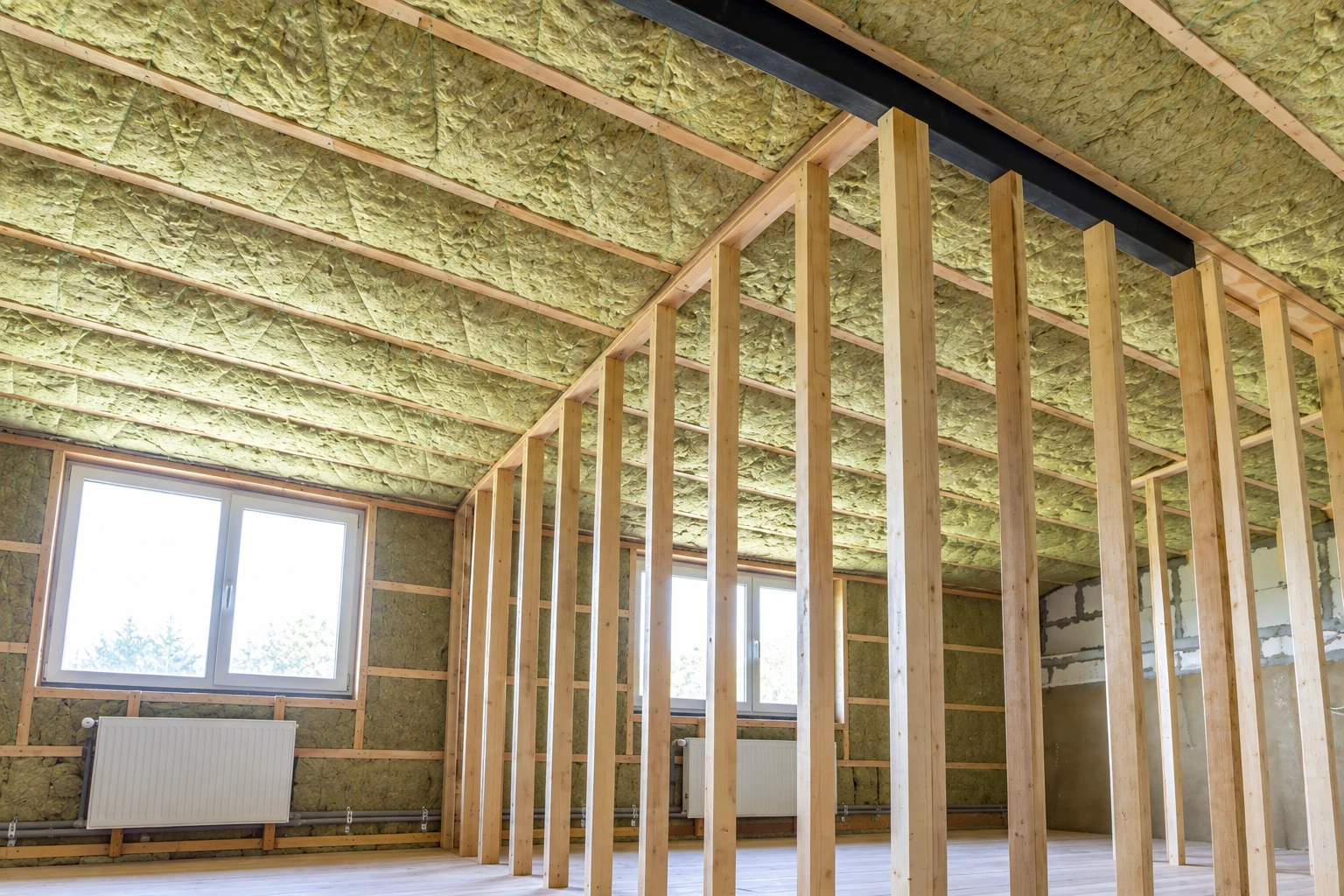
Open-cell foam is softer and lighter, and it fills odd rooflines and the room over the garage well, sealing air and quieting noise at a lower cost than closed-cell.
Shops, offices and metal buildings around Greenbrier get the same first look we give a house, and we talk through your hours before we schedule the crew.
A plastic barrier over the dirt keeps ground moisture out of the crawl space, so the floor framing above stays dry. We overlap and tape the seams.
We put vapor barriers where damp air would otherwise reach cold surfaces inside a wall or floor, and on the correct side, since one on the wrong side traps water.
In the attic we seal around the hatch, can lights and the holes where pipes and wires come up, because that's where warm air slips out of the house.
We add insulation to houses that are already built and lived in, working around finished rooms, wiring and stored boxes, and opening up only what has to be opened.
Send the form or call, and we'll reply within one business day. I come out myself, look over the attic and crawl space, and write down what I found and what I'd do, in order.
The estimate is free and done on site, because I can't tell what's sitting in an attic from a phone call or a photo.
You keep my notes and take your time with them. If nothing needs doing, I'll say so, and you don't owe us anything.
We answer from 6 AM to 10 PM on weekdays and 8 AM to 10 PM on weekends, so you don't have to call on your lunch break.
These are the questions Greenbrier homeowners ask most about licenses, permits and having a crew in the attic.
Usually, yes. Arkansas law requires a home improvement contractor to be licensed by the state's Residential Contractors Committee unless the law exempts them. A project costing no more than $2,000 is exempt, but not when the work gets split into smaller separate contracts to stay under that line. We're licensed and fully insured, and you're welcome to check with the committee.
Start with the City of Greenbrier. Faulkner County requires a floodplain permit before construction, land clearing or any site work anywhere in the county, and for property inside Greenbrier it sends owners to the city before any work begins. I check with the city about each job before we start, and if the work needs a permit, we take care of it.
No, the City of Greenbrier doesn't require a city business license. The license that matters on an insulation job is the state contractor license in the answer above, so that's the one to ask any contractor about before they start work on your house.
Usually, yes, for spray foam. The foam maker sets a re-entry time, which is when you, the kids and the pets can come back inside, and you'll know it before we start. With blown-in fill or air sealing, most families stay home while we work, and we keep the mess closed off around the attic hatch.
These cities have their own pages, and we work in many others around central Arkansas too. If you don't see yours here, call and ask.
An attic is easier to inspect and work in during the cooler months, so call (501) 273-0205 or send the form before summer heat sets in.