Soaked from a roof or pipe leak
Insulation that's been soaked usually stays matted and holds moisture against the wood, so once the leak is fixed we take it out rather than cover damp material with new.
Wet, moldy or rodent-fouled insulation in your attic? We take out what has to go and leave a clean floor for what comes next.
Insulation removal in Conway is taking old, damaged insulation out of your attic so whatever's wrong underneath can be fixed, and Beacon Conway Spray Foam Insulation does it as the first step before sealing and reinsulating.
Most calls start with an upstairs that runs hot, a power bill that keeps climbing, or droppings and a water stain near the hatch. The price turns on the size of the attic and what's in the old insulation, because wet or fouled material is more work to get out than clean fill, and the schedule turns on those same things plus how easy the attic is to move around in. Arkansas counts anyone who bids on or manages removal work on an existing single-family home as a home improvement contractor, and we're licensed and fully insured. My estimate writes down what I found and what I'd do, in the order I'd do it.
I come out to see every attic before anything is planned, and the crew works with me or a lead installer on site, so someone who saw the problem stays with the job.
If the old insulation is dry and clean, I'll say so, and we can talk about sealing the gaps and adding to it instead of paying to pull it out.
If a roof leak or a mouse problem caused the damage, that gets dealt with first, because new insulation laid over an unfixed problem just hides it until it shows up again.
I start by looking at what's in the attic myself, because old insulation only comes out when its condition calls for it, like water, mold or rodents, not just because it's old. When it does come out, we close off the room under the hatch so the dust stays in the attic, bag the material where it sits, carry the bags out and clean the attic floor. If anything up there looks like vermiculite, we leave it alone and point you to a trained asbestos crew. Once the leak or pest problem has been handled, we seal the gaps where air leaks in and lay down fresh insulation, so the new layer starts clean.
Removal is usually the first step of a bigger job, so we plan it with what comes after. If cold floors or pest trouble point below the house, crawl space insulation is often the next thing we look at, and if a room still runs drafty once the attic is done, wall insulation may be where the rest of the heat is going.
Insulation that's been soaked usually stays matted and holds moisture against the wood, so once the leak is fixed we take it out rather than cover damp material with new.
When mold shows up in the insulation, it comes out, and we look for the moisture behind it, since that's usually a leak, a bath fan venting into the attic or buried eave vents.
Fouled insulation goes into plastic bags, not under a broom or a vacuum, because health officials warn that sweeping or vacuuming droppings can put tiny virus-carrying droplets into the air.
Gaps around can lights, pipes and the hatch are hard to seal through a deep, dirty layer, so clearing it lets us close them before fresh insulation goes down.
Send the form and we'll reply within one business day to set a time. I come out myself, look at the attic and give you a free estimate with no obligation.
If you know the attic's square footage, or the house's, share it, because size is the first thing that shapes the crew's time and the cost of the job.
Water stains, a musty smell, droppings or fill you think might be vermiculite all change the job, so mentioning them early helps me come ready to look for the right things.
Reach us at (501) 273-0205 or info@conwaysprayfoaminsulation.com, and we pick up the phone from early morning until 10 PM, weekends included, so you don't have to wait for Monday.
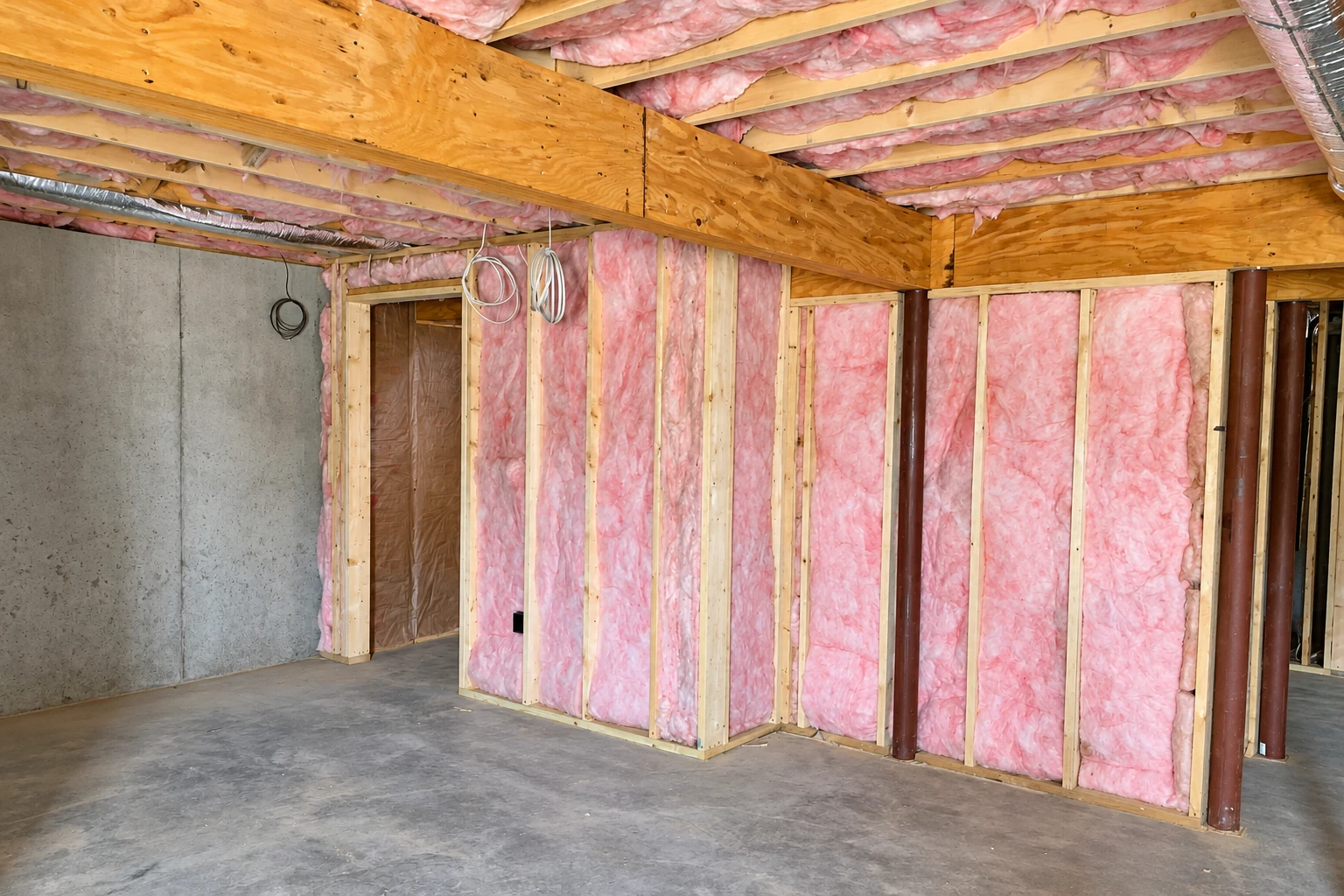
These example photos show attic floors, loose fill, batts and foam, the kinds of materials and layouts we can talk through at your estimate.
Here are the questions Conway homeowners ask most when the old insulation in the attic looks like it might need to come out.
No, age alone isn't a reason to tear it out. One roofing guide says removal is only needed when insulation is wet, moldy, fouled by rodents, contains vermiculite or asbestos, or has packed down to less than half its original thickness. That's why I look at the condition first, and I'll tell you plainly if yours can stay.
Removing clean attic insulation usually runs about $1 to $2 per square foot across the US, and that's a national figure, not our price. Fouled insulation costs more because it has to be bagged, hauled off and the attic cleaned and treated. When you compare quotes, ask each contractor to price hauling, air sealing and floor treatment as separate lines.
Only a trained, accredited asbestos abatement contractor should remove it, and the EPA says that contractor should be independent of whoever assessed it. The EPA recommends leaving vermiculite undisturbed, because disturbing it can release asbestos fibers you may breathe in. It's a pebbly, pour-in fill, usually gray-brown or silver-gold, and if you see it, we won't touch it.
One roofing guide says a crew can clear an attic under 1,000 square feet in one day and a larger attic in two. Fouled material, tight framing and a hard-to-reach hatch can stretch that, and the sealing and new insulation come after. I'll tell you what to expect for your attic once I've seen it.
The City of Conway lists new construction, remodels, additions and accessory buildings as needing permits, and insulation removal isn't on that list, so the list alone doesn't settle it. The city takes permit and inspection questions at 501-450-6107 or permits@conwayarkansas.gov. I check with the city before each job starts, and if the work needs a permit, we take care of it.
Wet or fouled insulation doesn't get better sitting up there, so call (501) 273-0205 or send the form and I'll come see what's going on.