Cold floors over the crawl space
When the rooms over the crawl space feel cold underfoot in winter, the insulation under them has usually fallen, sagged or never been put in, and your heat runs longer to make up for it.
Cold floors and a musty smell under the house usually start in the crawl space. We fix what's down there first, then insulate it.
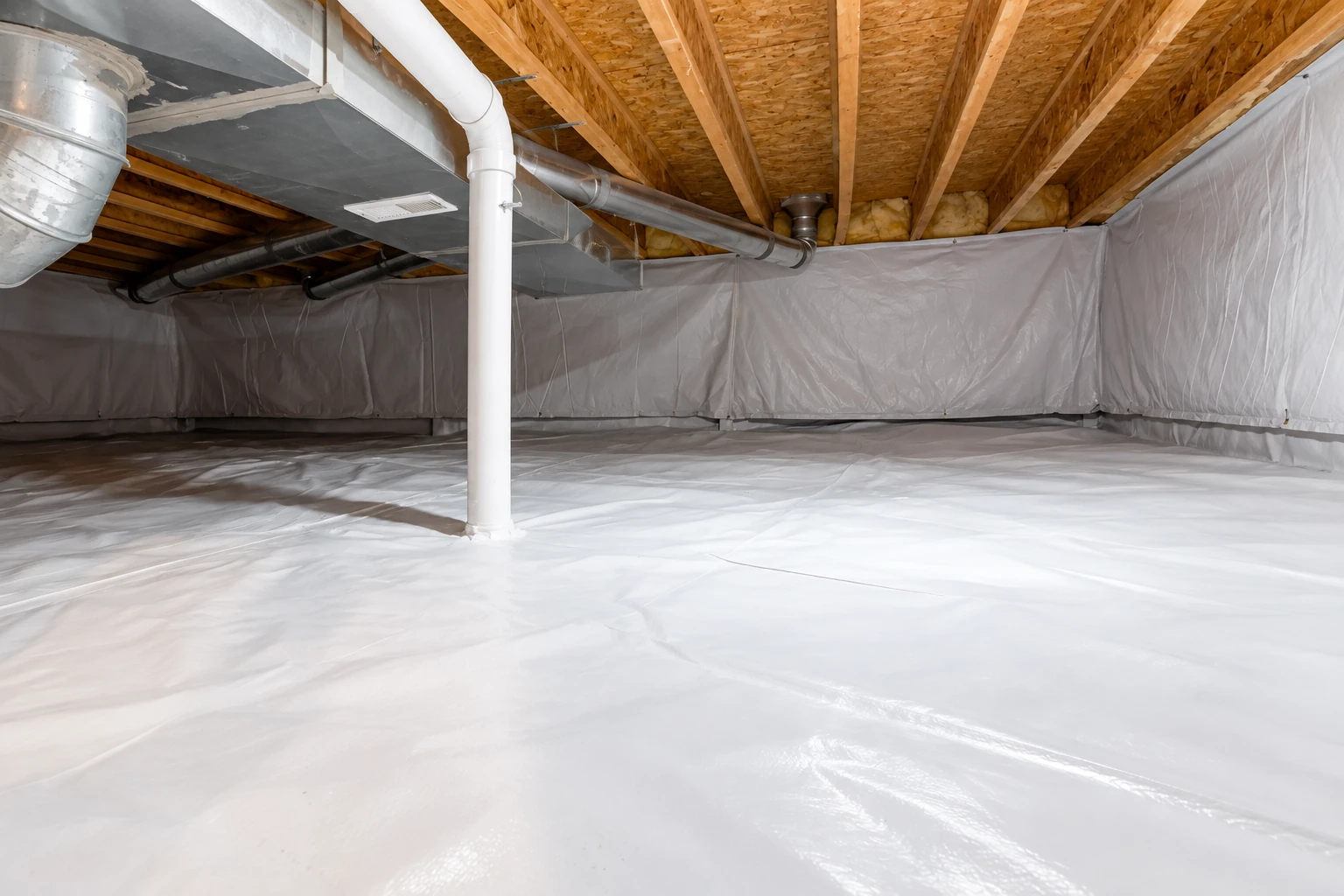
Crawl space insulation in Conway, AR goes either under your floor with the crawl space left vented, or on the foundation walls of a crawl space we seal, so the rooms above stop pulling cold up through the floor.
Most calls start with cold floors in the rooms over the crawl space, a musty smell or a high power bill in winter, and the cause is usually insulation down there that fell, got soaked or was never put in. What moves the price is the size of the space, which of the two methods fits your house and how much has to be pulled out or fixed first, and the schedule turns mostly on those repairs and on whether any part of the job needs a permit. Once I've been under the house, I write down what I found and what I'd do, in the order I'd do it, so you can make the call yourself.
If there's water, rot or droppings under the house, I'll tell you a repair has to come first. New insulation over a wet or dirty crawl space only buries the problem.
Insulation is one of the kinds of work Arkansas's home improvement license covers, and a Limited license only covers residential jobs under $50,000, labor and material included. We're licensed and fully insured.
I come out to see every crawl space myself, and our crew works with me or a lead installer on site, so the job follows the plan we went over.
I start by crawling the space myself and looking at what's already there, like standing water, wet or sagging insulation, droppings and mold on the framing, since that decides what has to happen first. Then I walk you through the big choice, which is insulating under the floor and leaving the crawl space vented, or sealing it and insulating the foundation walls instead. If we seal it, I check first for a furnace, water heater or other fuel-burning equipment down there, because closing in equipment that vents naturally can turn deadly, and blocking the vents alone can leave the space wetter than before. Federal building guidance says a sealed crawl space always needs a way to dry out, and it names a small amount of conditioned air from the house's heating and cooling system as one of the most effective, so we plan that before anything gets closed in. Any insulation that stays exposed down there has to be a fire-rated product, which narrows the choices. Then our crew pulls out whatever old insulation has to go, seals the gaps, installs the new insulation and cleans up.
Cold floors often come with drafts elsewhere in the house. Air sealing closes the gaps where outside air slips in around pipes, wires and the edge of the floor, so new insulation isn't fighting moving air, and wall insulation helps when the outside walls of those same rooms feel cold too. I'll tell you plainly if either one isn't worth doing at your house.
When the rooms over the crawl space feel cold underfoot in winter, the insulation under them has usually fallen, sagged or never been put in, and your heat runs longer to make up for it.
Batts hanging loose, soaked through or full of droppings have to come out first. Putting fresh insulation against them keeps the moisture and the mess right under your floor.
If your heating and cooling ducts run through the crawl space, sealing the space and insulating the walls brings them inside the insulated space. That usually tips the choice toward sealing, even though it's the bigger job.
Where termites or carpenter ants are a worry, foam board on the foundation walls stops short of the top to leave a pest inspection strip. Your building inspector and pest control pro know the rules.
Send the form or call, and we'll reply within one business day. I'll come look at the crawl space myself and write down what I found and what I'd do, in order, free and with no obligation.
Send the square footage over the crawl space if you know it, because this work is usually priced by the square foot. A rough guess is fine until I measure it.
Tell us if you've seen mold, wet wood or a musty smell coming up from below. Mold has to be handled before insulation, so knowing early lets me plan the right order.
Note any furnace, water heater or other fuel-burning equipment in the crawl space. It's the first thing I check before sealing, because it decides what's safe to close up.
These photos show under-floor insulation, sealed crawl space walls and related work, so you can point to what you'd like to talk through.
Here are the questions homeowners around Conway ask about insulating a crawl space, answered the way I'd answer them on site.
Across the US, insulating a crawl space usually costs about $3 to $6 per square foot. That's the market's going rate for the insulation work, not our price, and where your job falls depends on the method and on any repairs that have to come first. The estimate I leave you lays out what I found and what I'd do, in order.
Federal guidance calls sealing the crawl space and insulating its foundation walls the better approach over insulating under the floor. In mixed and hot, humid climates, vented crawl spaces tend to gain moisture that condenses on the cooler floor framing and feeds mold and wood damage. Sealing builds the space more like a basement, so I'll go over which one fits your house.
The mold gets handled before any insulation goes in. One federal guide says any surface mold or fungal growth calls for a certified mold remediation expert to inspect it and set a cleaning plan before work goes ahead. I'd rather tell you that up front than seal it in, and we start the insulation once it's cleaned.
Conway's permit list doesn't name it, so I check with the city about each job before we start. The city's Building Permits & Inspections office lists permits for new construction, remodels, additions and accessory buildings, and requires separate permits for electrical, plumbing, gas and mechanical work, which can apply if the drying plan ties into your heating and cooling. If a permit's needed, we take care of it.
Under-floor insulation in a dry, easy-to-reach crawl space is the quicker job, and sealing the space and insulating the walls takes more steps. Mold cleanup, pulling old insulation or a permit for mechanical work adds time, so I lay out the order on the estimate after I've been under the house.
Call (501) 273-0205 or use the form, because the sooner damp framing gets looked at, the less there is to repair before insulating.