A hot upstairs in summer
When the upstairs runs hotter than the rest of the house, the attic above it usually has too little insulation or too many open gaps, so that's where we start looking.
A hot upstairs, drafty rooms or thin old insulation in the attic? We add insulation where it'll help, after fixing what's underneath.
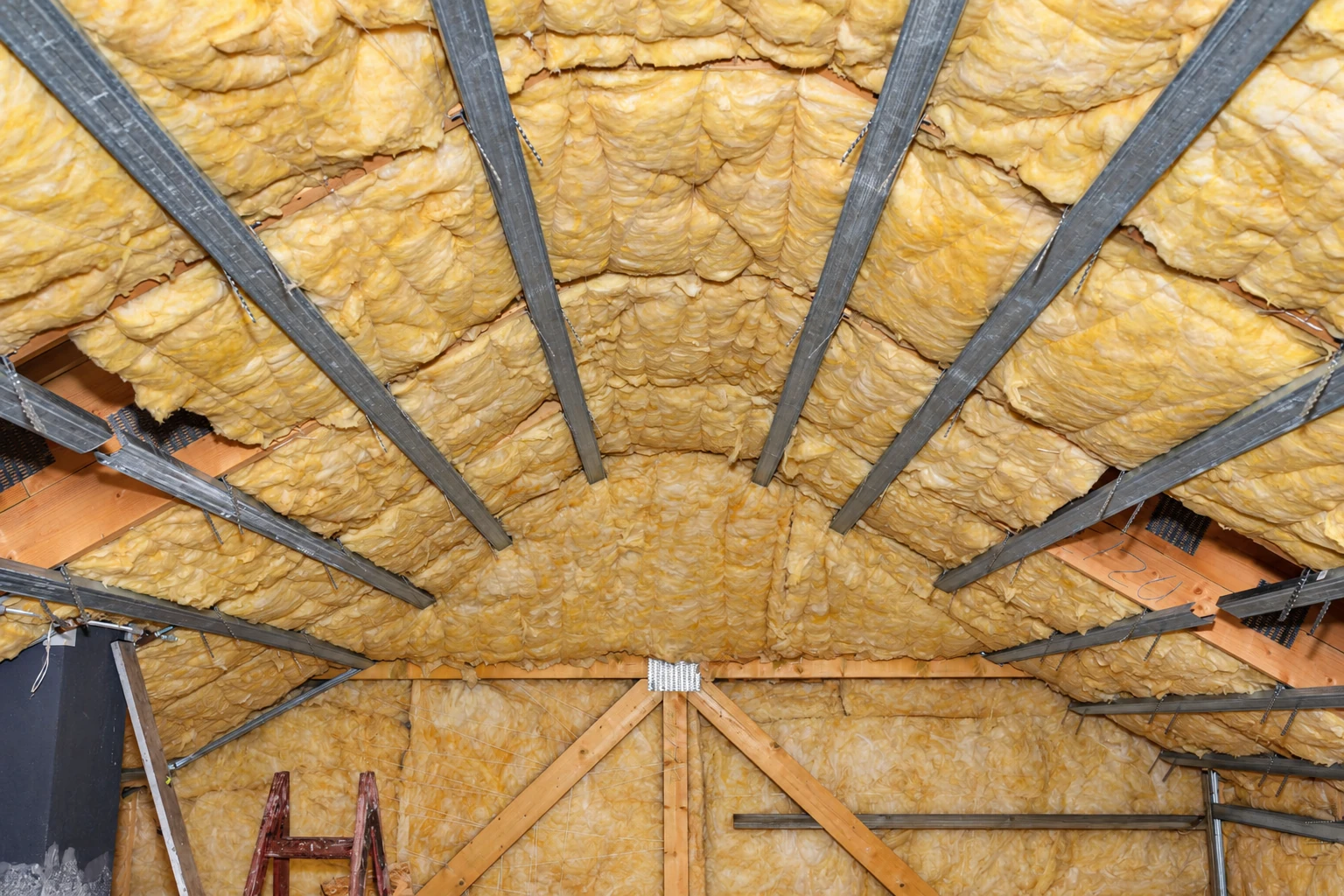
Retrofit insulation in Conway, AR, means adding to or replacing the insulation already in your house, usually blown onto the attic floor or into the walls, so your rooms hold heat in winter and keep it out in summer.
Most calls start with a room that won't stay comfortable, like a hot upstairs or a drafty bedroom, in a house where the insulation is old, thin or packed down. The price turns on how much is already up there and what shape it's in, whether anything has to come out first, how many gaps need sealing and whether the walls are part of the job. The schedule turns on the same things, plus any repair that has to come before new material goes in. When I come out, I write down what I found and what I'd do, in the order I'd do it, so you can see your own number and make the call yourself. Arkansas licenses contractors who bid on or manage improvements to an existing single-family home, and we're licensed and fully insured. We're based in Conway and work in many of the cities around central Arkansas, from Morrilton out to Beebe and down to Bryant.
I come out to every job myself and check what's already in the attic and walls, because new insulation over a wet or dirty layer just buries the problem.
If something under the old insulation needs fixing first, I'll tell you plainly. Covering it up only moves the problem out of sight, and it's still there when you need it fixed.
I or a lead installer is on site whenever our crew is working, so there's always someone in your attic who knows what the estimate said and why.
With an older home, I look at the attic and the walls together and tell you where adding insulation will pay off and where it won't be worth it. In the attic, we measure how many inches are already up there and check that it's dry and clean, and anything soaked or full of droppings comes out first, because new material over it just keeps the problem. Next comes air sealing, closing the gaps around can lights, pipes, wiring and the hatch so the new layer isn't fighting a draft. Then we set baffles, short guards at the eaves that keep the vents open so the attic can still breathe, and blow in loose fill through a hose across the whole ceiling, keeping the depth even out to the edges, where it usually ends up thin.
Sometimes the attic is the whole job, and our attic insulation work covers that on its own. When ductwork runs through the attic, spray foam insulation can earn its higher price because it seals air while it insulates, but everywhere else, sealing the gaps and topping up loose fill usually wins. Walls get their own look, and the questions below cover how we fill them.
When the upstairs runs hotter than the rest of the house, the attic above it usually has too little insulation or too many open gaps, so that's where we start looking.
Old insulation settles and thins out over the years. If what's up there is still dry and clean, topping it up with loose fill is often all the attic needs.
These rooms are often the hardest to keep comfortable because they have outside air on more than one side, so we check the walls, the ceiling and the gaps around them.
When one room always feels drafty, the cause is usually air slipping in around the ceiling, outlets or trim, and sealing those gaps matters as much as adding insulation.
Send the form and we'll reply within one business day to set a time. I'll come out myself, look over the house and write down what I found and what I'd do, with no obligation.
The year your house was built tells me a lot about what's likely in the attic and walls, including older wiring or materials that change the plan.
If you think you have vermiculite insulation or knob and tube wiring, say so on the form, because either one has to be sorted out before we add anything.
You get my notes in the order I'd do the work, so you can do the first step now and hold the rest, or decide the job isn't needed.
These photos show attic floors, wall cavities and foam examples, so you can point to what looks like your house when we talk.
These are the questions I hear most from Conway homeowners thinking about adding insulation to a house that already has some.
Because money spent on insulation can be wasted if the holes and gaps in your ceilings, walls and foundation are left open. Adding or replacing attic insulation is the natural time to air seal, so I plan the two together. Before sealing, it's worth asking how a crew checks that your fuel-burning furnace, stove or fireplace will still get enough fresh air to vent properly.
Usually, yes, by drill and fill. Small holes go near the top of each wall cavity, from inside or outside, and blown-in insulation fills the space, so the walls stay in place. Because the holes are small, it's a common and fairly gentle way to do it. In a home built before 1980, ask how the crew follows lead safety rules when exterior walls are disturbed.
Leave it alone and don't disturb it. The EPA says to assume vermiculite insulation may contain asbestos and recommends leaving it undisturbed, and if you choose removal, it says to hire a trained, accredited asbestos abatement contractor separate from whoever assessed it. If I find it during an estimate, I'll stop there and tell you before we plan anything else.
No, one federal guide reads the National Electrical Code as barring insulation on or around knob and tube wiring. We won't blow insulation over it. If you know your house has it, mention it when you call, so the wiring gets sorted out before we plan the insulation.
Check with the City of Conway, because its permit list names electrical, plumbing, gas and mechanical work, not insulation, and a job that adds wiring or ductwork can bring those in. I check with the local office before we start, and if a permit's needed, we handle it. The city's permits office posts residential review times of up to 3 to 5 business days and answers questions at 501-450-6107.
We take calls every day until 10 PM, so you can call (501) 273-0205 after work or on a weekend.