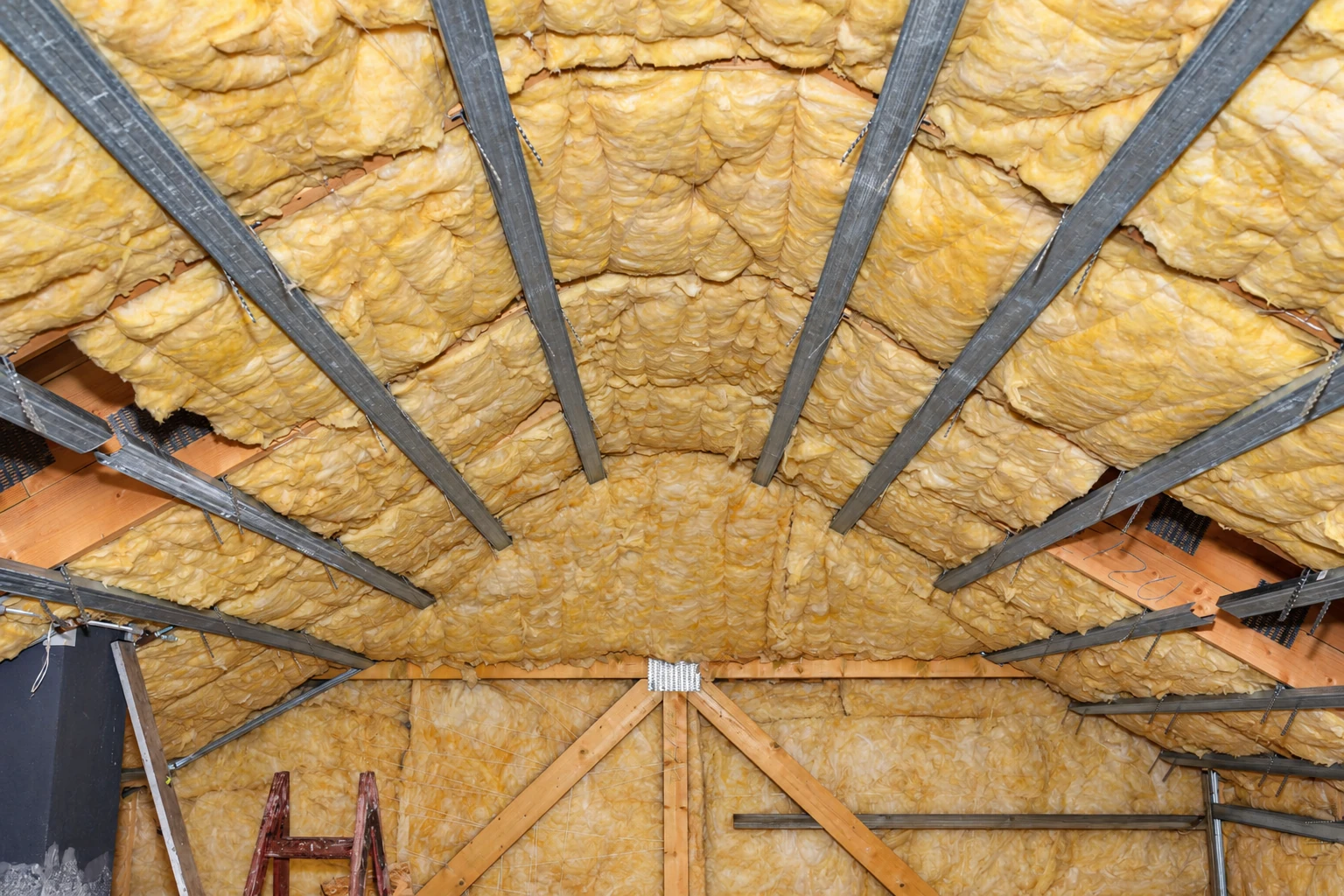
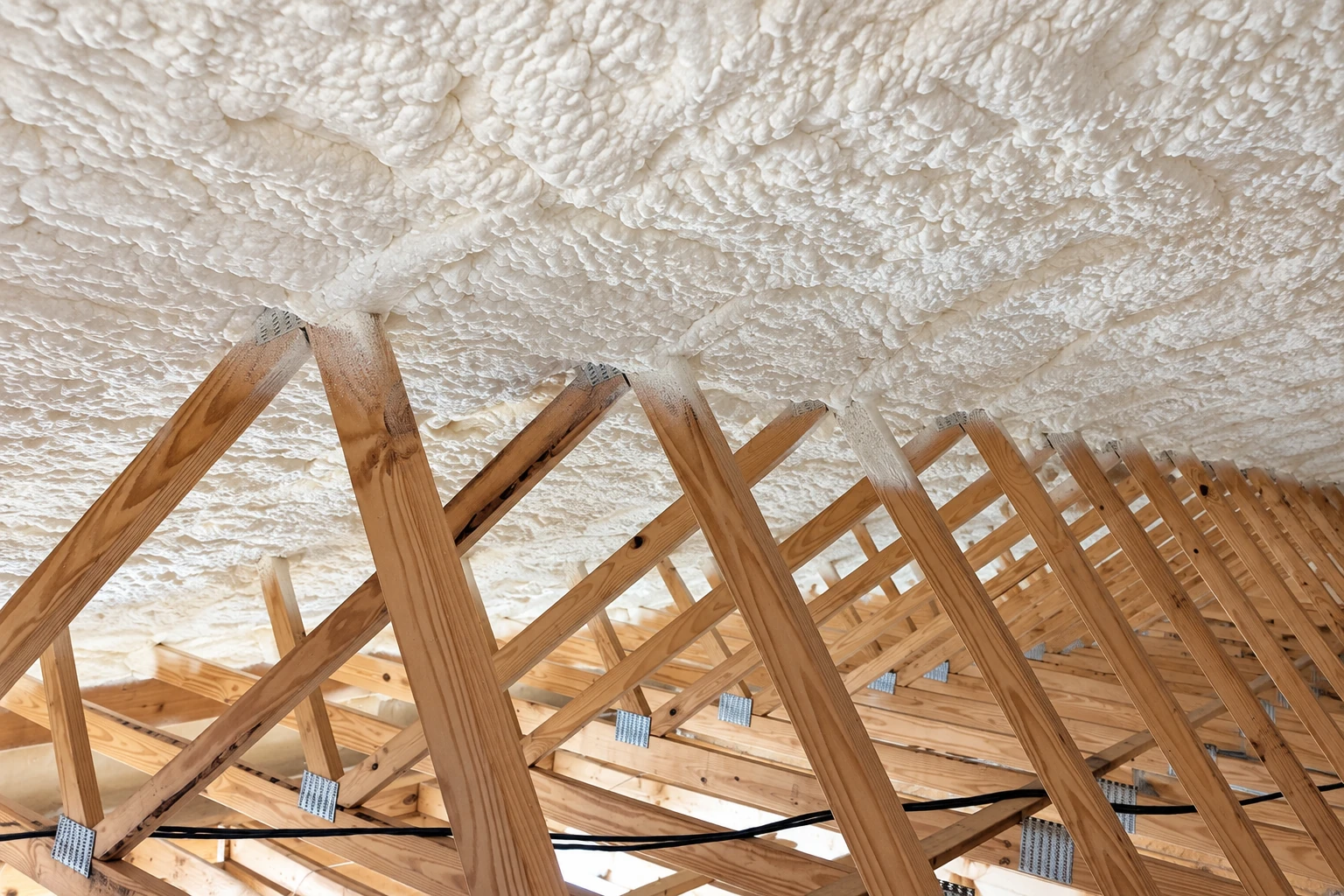
Spray foam insulation
Foam seals air while it insulates, so it costs more. It earns that in tight spots, like the band where the floor framing meets the foundation wall.
Beacon Conway Spray Foam Insulation is an insulation contractor based in Conway that works in Jacksonville, AR. We seal drafty attics, top up tired insulation, and insulate crawl spaces, walls and the room over the garage.
The city names Bayou Meto and Jacks Bayou as the two sources of flooding in Jacksonville. In heavy storms that water can cover streets and yards and get into garages, basements and lower floors. Insulation under a floor that's taken on water usually has to come out, so here I check the crawl space before I climb into the attic.
We're based in Conway and do the same work in Sherwood, Cabot and down to Bryant. Price and schedule turn on what's already in the house. That means how many inches are up there, whether old insulation comes out first, how many gaps need sealing and whether ducts run through the attic, and a permit can add time. My estimate writes down what I found and what I'd do, in the order I'd do it. On older houses here, the job usually starts under the floor and works up.
Before anyone quotes anything, I come out and look at the attic, the crawl space and what's already there. Our crew then does the work with me or a lead installer on site.
If something's wrong underneath, like a leak, droppings or soaked insulation, I'll tell you it has to be fixed first, because new insulation over a problem just hides it.
Sometimes the attic has plenty of insulation and the draft is coming through an open hatch or a gap around a pipe. When that's the case, I'll say so.
Foam seals air while it insulates, so it costs more. It earns that in tight spots, like the band where the floor framing meets the foundation wall.
We measure the inches already up there and pull out soaked or dirty spots. Then we bring the edges up as deep as the middle, where attics often run thin.
Blown-in is loose fill we send through a hose. It's usually the simplest way to top up an attic once the gaps are sealed and the eave vents are kept clear.
When the whole house runs drafty or the power bill keeps climbing, I walk it top to bottom. Then I write down what to fix first, whether that's the attic, the walls or the floor.
Insulation that holds droppings or took on water comes out before anything new goes in, because covering it keeps the smell, the moisture and the problem.
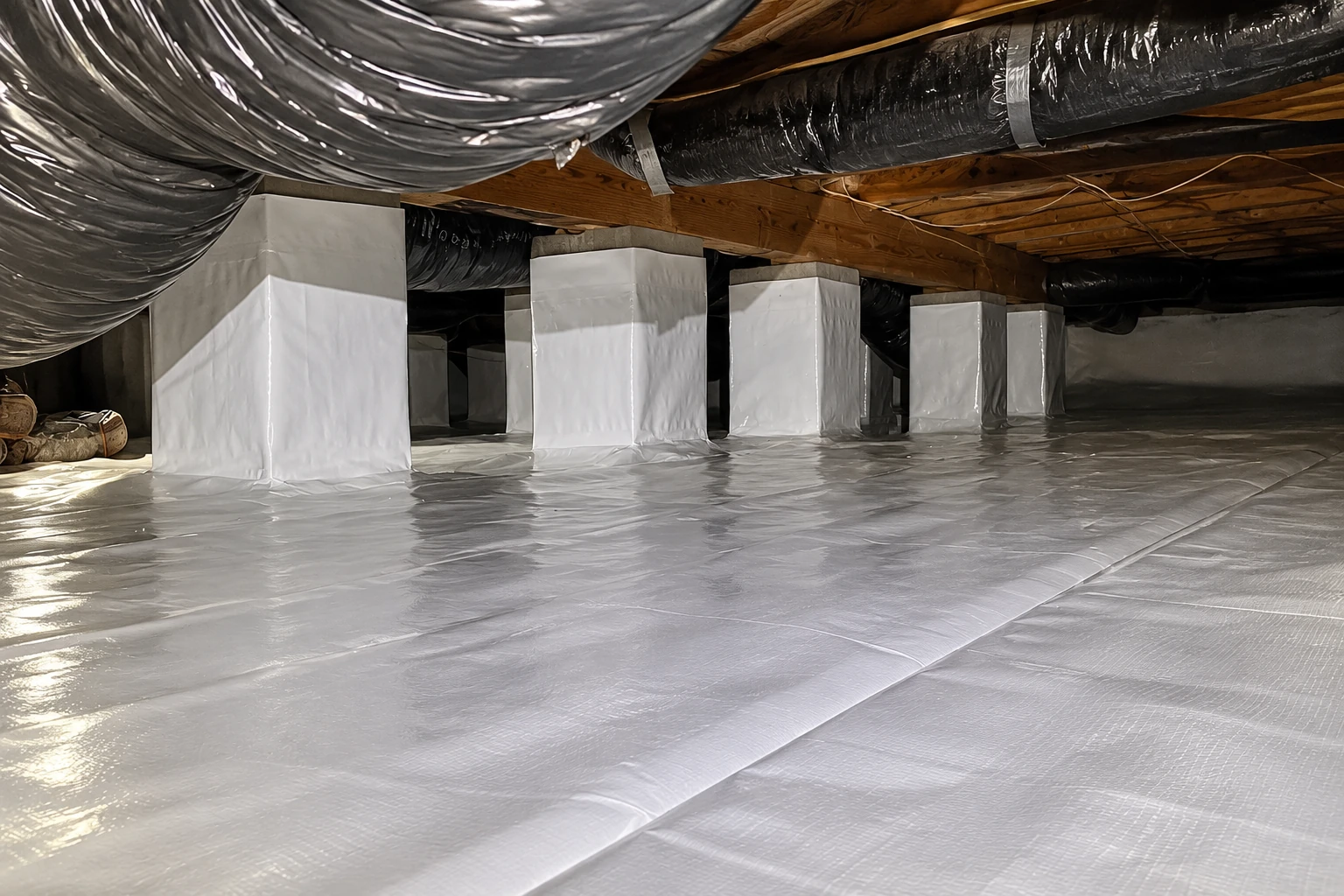
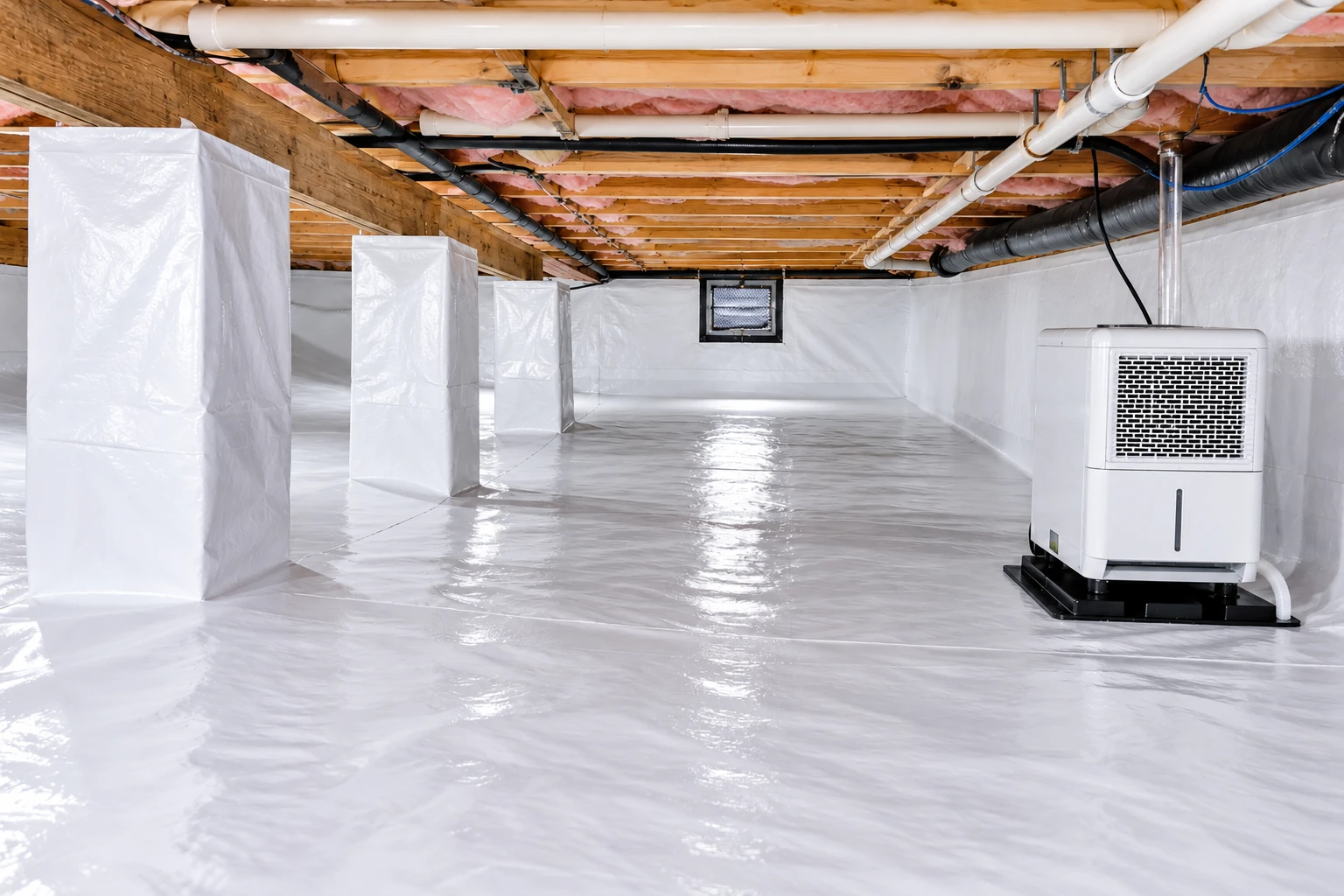
Cold floors usually start in the crawl space. We check for wet or fallen insulation under the house and replace it once the space is dry.
Older walls are often empty or settled. We fill them through small holes from outside or inside and patch them, so rooms that never held heat start to.
Air sealing means closing the gaps before we insulate, around can lights, pipes, wires and the attic hatch, so the new insulation isn't fighting a draft.
Basement walls get insulated only after any water coming in is handled, since insulation against a damp wall holds moisture instead of keeping heat in.
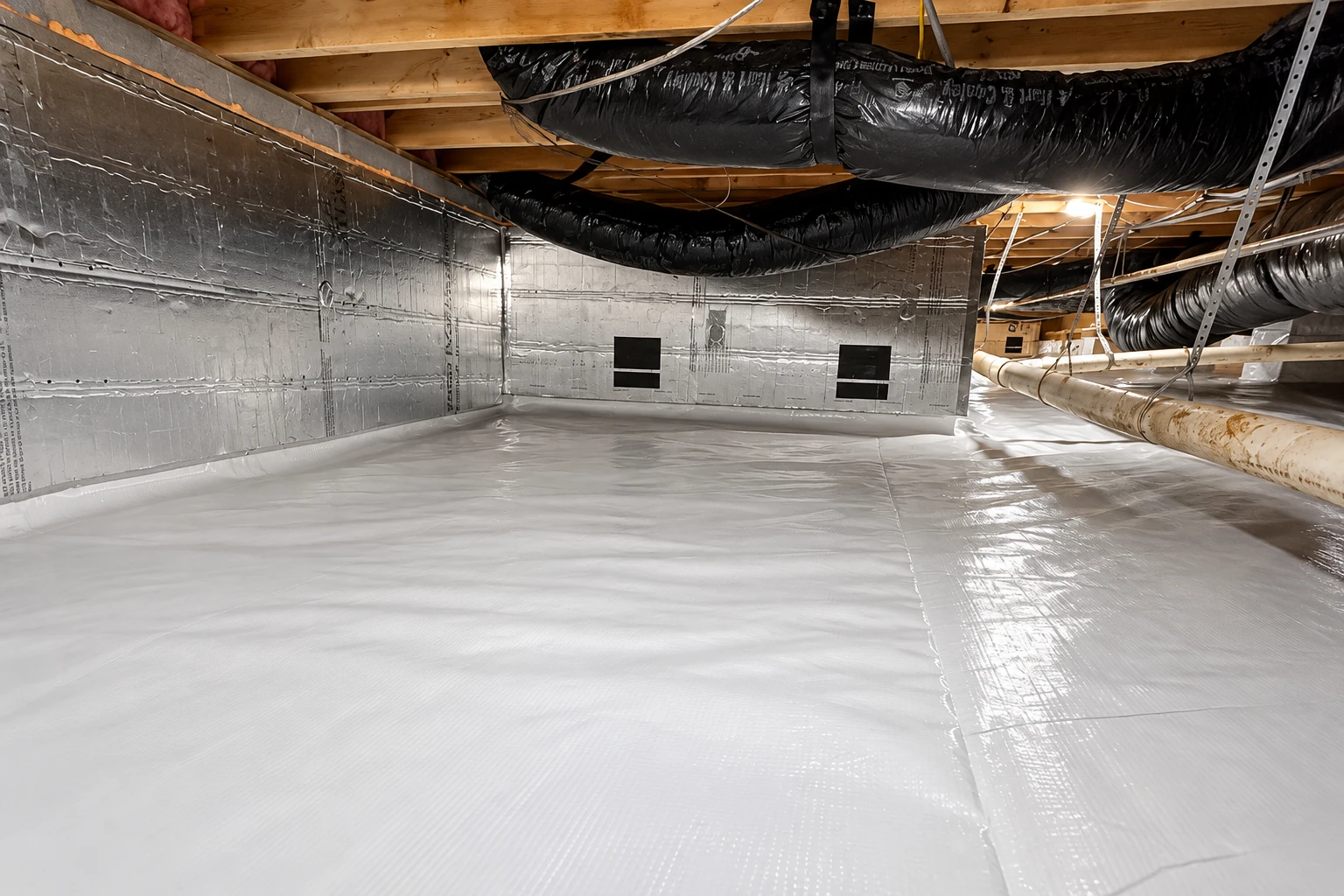
Closed-cell foam is dense foam that also blocks moisture, so it's what we reach for on crawl space walls and other spots that stay damp.
Open-cell foam is softer and lighter, so it costs less than closed-cell. It works well sprayed under the roof deck when your ducts run through the attic.
Building owners call us about drafty offices and rentals. I look at those the same way, checking what's already there before I suggest adding anything.
A plastic sheet laid over the dirt under your house keeps ground moisture out of the framing and the insulation. We seal its seams and edges so it stays that way.
We put the moisture barrier on the side of the wall or floor where it belongs, because one in the wrong place can trap damp inside the framing.
Before we blow anything in, we seal the hatch and every hole around can lights, pipes and wires, so warm air stops leaking up into the attic.
In an older house we add insulation around what's already built. We work through attics, crawl spaces and small wall openings instead of tearing out finished rooms.
Send the form or call, and we'll reply within one business day to set a time. I come out, look at the job myself and write down what I found and what I'd do, with no obligation.
Estimates cost nothing and happen on site, because I can't tell what's wrong in an attic or crawl space from a phone call. There's no pressure to go ahead.
You get what I found and what I'd do, step by step, so you understand the job well enough to make the call yourself.
I started this business in Conway in 2023 after years running another insulation contractor's jobs. I learned the trade on my knees in attics and on my back in crawl spaces.
These are the questions Jacksonville homeowners usually ask about permits, licenses, flooding and insulation before we start work on their house.
It can need one. The city's flood guidance says Jacksonville's Engineering Department issues permits for any alteration to a building or land, and that office handles the city's permitting. Permit rules differ from city to city, so I check with the department about each job before we start. If the work needs a permit, we take care of it.
For a bigger job, yes. A city residential building permit needs an Arkansas State Contractors License number when the work is estimated at $20,000.00 or more. New residential construction needs one too, and a copy goes in with the application. We're licensed and fully insured, and you're welcome to ask about it at the estimate.
It may be. The city says many houses built before September 29, 1978 were built below the base flood elevation, the line newer houses have to be built above, because the rules back then didn't require it. On those houses, I look under the floor for water stains, damp framing and fallen insulation, and those get fixed before anything new goes in.
Then the city requires a Floodplain Development Permit before the project begins, if your property is in a Special Flood Hazard Area on a FEMA flood map. The city lists penalties that include high insurance rates. I ask about it when I check your job with the city.
Usually, yes. You stay out while we spray and until the re-entry time the foam maker sets, which is when it's safe for people and pets to come back inside. Blown-in insulation is different, and most families stay home while we work in the attic. I'll tell you which applies before we schedule anything.
These cities have their own page on our site, but they're not the only places we go. If your house is somewhere else in central Arkansas, call or send the form and ask.
We take calls until 10 PM every day, so call (501) 273-0205 after work or send the form with what you're noticing.