What the city's list names
Conway Building Permits & Inspections issues permits for new construction, additions, remodels and repairs, and its list doesn't name insulation. I check with them before each job, and we handle any permit it needs.
Drafty offices, hot back rooms or tired insulation in a building you run. We plan the work around when people can be out.
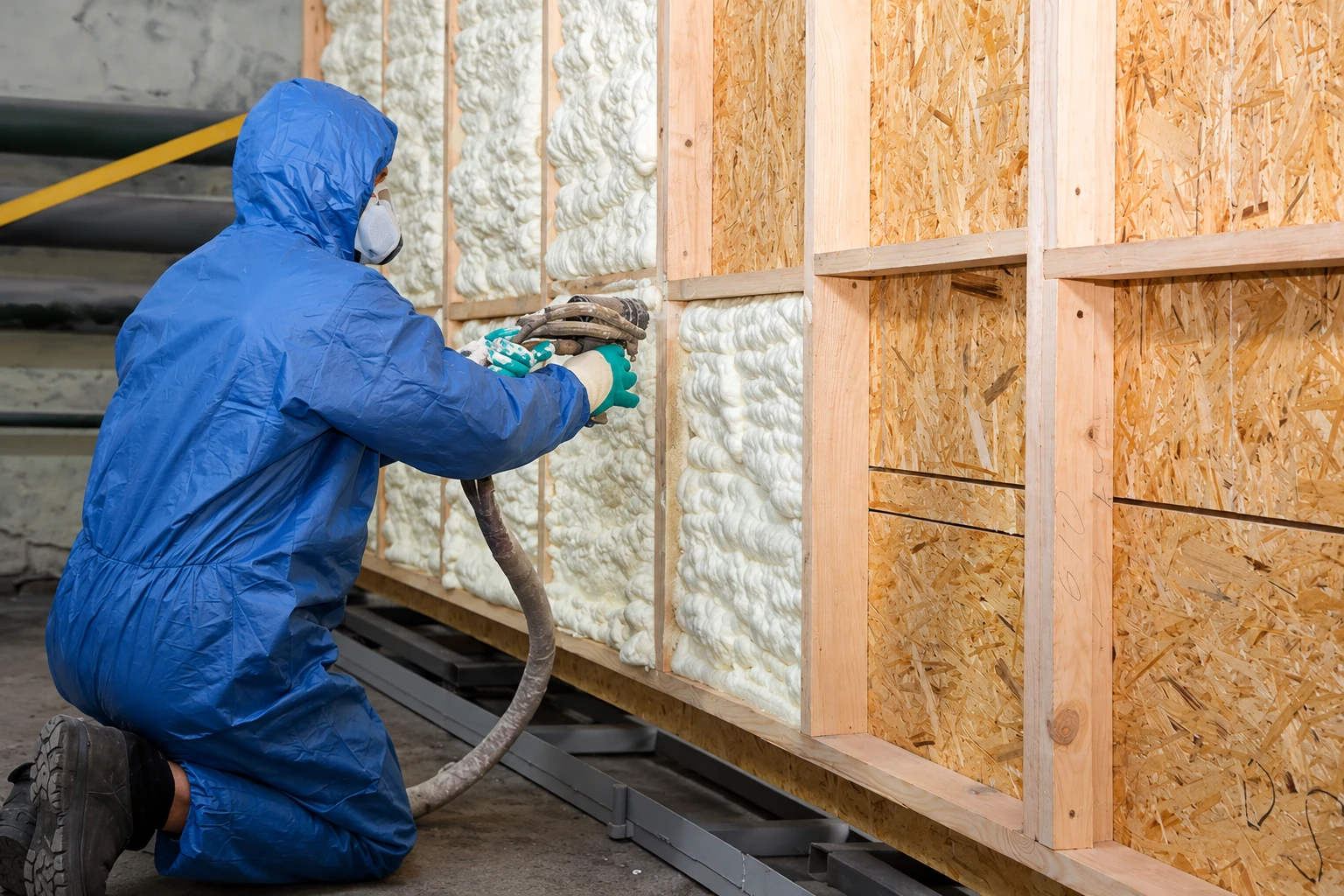
Commercial insulation in Conway means insulating and sealing an office, shop or rental building so it holds heat and cool air better. When spray foam is part of the job, the work runs around the stretch when the building can sit empty while the foam cures.
If you're calling about a building, it's usually a drafty office, a back room that's hot all summer, or insulation that's flattened and tired. The price comes down to the building's size, what's already in the attic, walls and crawl space, whether old material needs insulation removal first, how hard those spaces are to reach, and whether you choose spray foam, which usually costs more but seals air while it insulates. The schedule turns on when your people can be out, the season and any permit the job needs, and your own figure comes from the estimate after I walk the building.
I come out to look at every job myself, and our crew works with me or a lead installer on site, so someone who knows the plan is there for the work.
If the old insulation is soaked, full of droppings or sitting under a leak, I'll tell you that has to be fixed first, because new material over it only buries the problem.
I want you to understand the job well enough to decide for yourself, and if the building doesn't need new insulation, I'll say so plainly.
It starts with me walking the building and looking at what's already there. Then we settle the season and the start date with you before booking, because on a business building the hard part is timing, and we plan around when people can be out and when the doors can open again. On the day, our crew preps the space, fixes whatever has to come first, then does the air sealing, closing gaps around pipes, lights and the hatch, so the new insulation isn't fighting a draft. We keep the vents clear so the space can still breathe, fill the edges as well as the middle, and clean up before we hand the building back.
Moisture is the other thing I look for. If the building sits over a crawl space with damp ground, a crawl space vapor barrier usually comes before anything else down there, and where walls or floors need keeping dry, we can fold vapor barrier installation into the same plan so you're working around one schedule, not two.
Conway Building Permits & Inspections issues permits for new construction, additions, remodels and repairs, and its list doesn't name insulation. I check with them before each job, and we handle any permit it needs.
Conway's commercial permit review may take 2 to 3 weeks, and it starts only once every required document and revision is in, so we get the paperwork moving early when a job needs a permit.
The city says no work starts until the permit is issued, so on a job that needs one, your start date follows the permit. I'd rather set the date once it's issued than guess early.
On a permitted job, the city schedules field inspections that check the work against city and state building safety standards, so we leave room for that visit when we plan the schedule with you.
Send the form or call, and we'll reply within one business day to set a time. I come out myself, look the building over and write down what I found, free and with no obligation.
Send the building's size, what it's used for and the dates people could be out, by the form or to info@conwaysprayfoaminsulation.com, because those decide what we can schedule.
Our one promise is satisfaction guaranteed. The rest is on paper before you agree to anything, so you can see what we plan to do, in what order and why.
Examples of spray foam, sealed gaps and crawl space vapor barriers to help you picture the options we can talk through for your building.
Straight answers to what building owners usually ask about clearing the building, reopening, timing and contractor licensing.
Yes. EPA guidance says occupants and other trade workers should be out of the building while spray foam goes in. If you choose foam, pick a stretch when staff, tenants and any other crews can all be gone, and we'll plan the work around that window.
Some foam makers recommend 24 hours before people go back in after a two-part, high-pressure professional system, though the time can vary. That wait before anyone returns, the re-entry time, covers curing, airing out and a thorough cleaning, so we go by the maker's instructions for the foam we use and give you the time before booking.
The best time is a season when temperature and humidity suit the foam, because both play a big part in how it cures. The same federal guidance tells building owners to get clear direction from their contractor and the maker on time of year and weather, so ask me on the walk-through which months suit your job.
For a job that costs $50,000 or more, labor and materials together, the city calls for a commercial license under the Arkansas Contractors Licensing Board. A specialty license covers only that specialty, while a building or light building license covers the specialties tied to its class. The city also wants plans stamped by a licensed design professional on some projects, including those costing $100,000 or more. We're licensed and fully insured.
Plumbers, electricians and other maintenance workers shouldn't heat or grind spray foam, because the same guidance says it can give off toxic emissions. Tell whoever works on the building after we're done, so a pipe repair or a new wiring run is planned with that in mind.
Call (501) 273-0205 or send the form early, since the right season, any permit and a closing date all take time to line up.