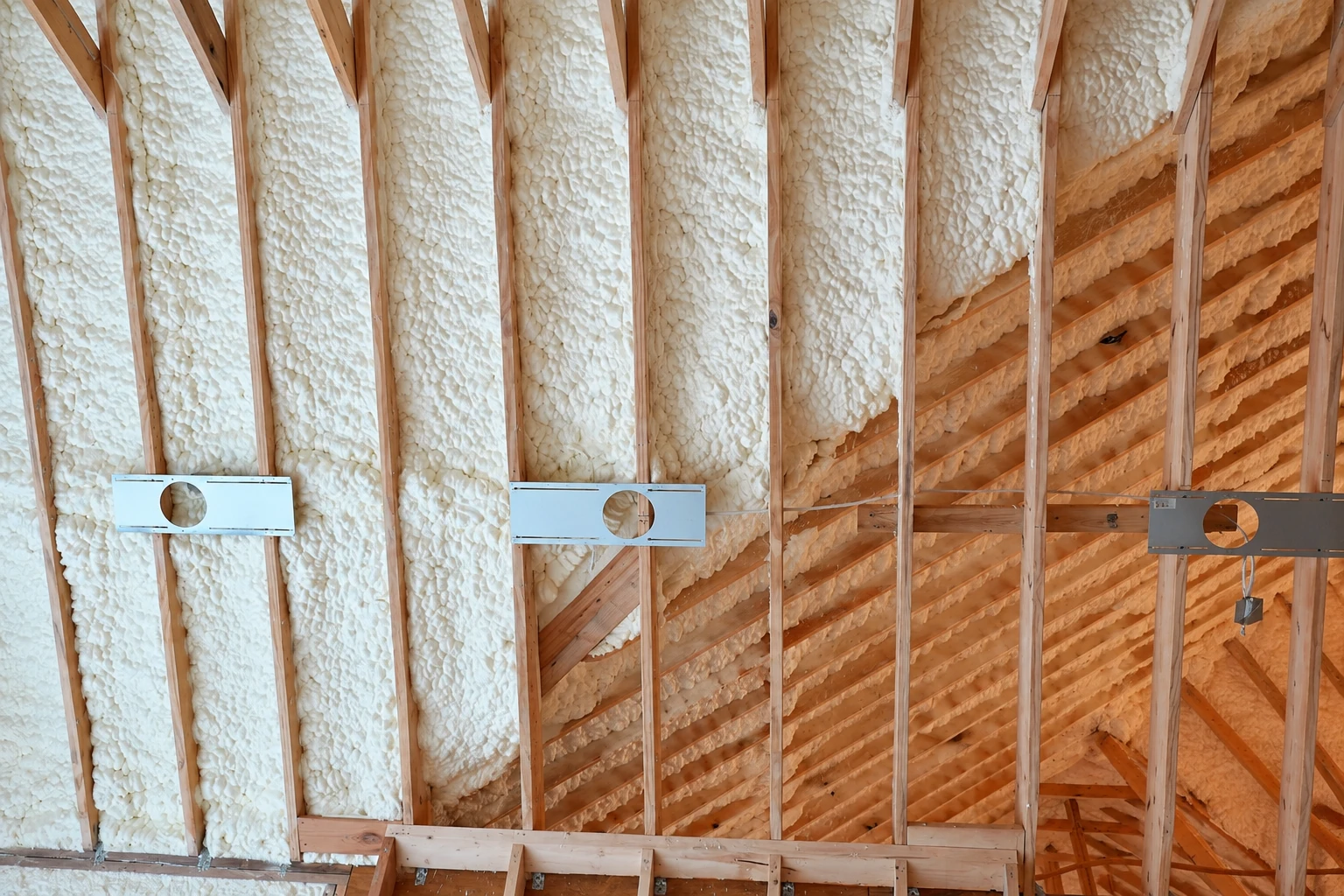
Spray foam insulation
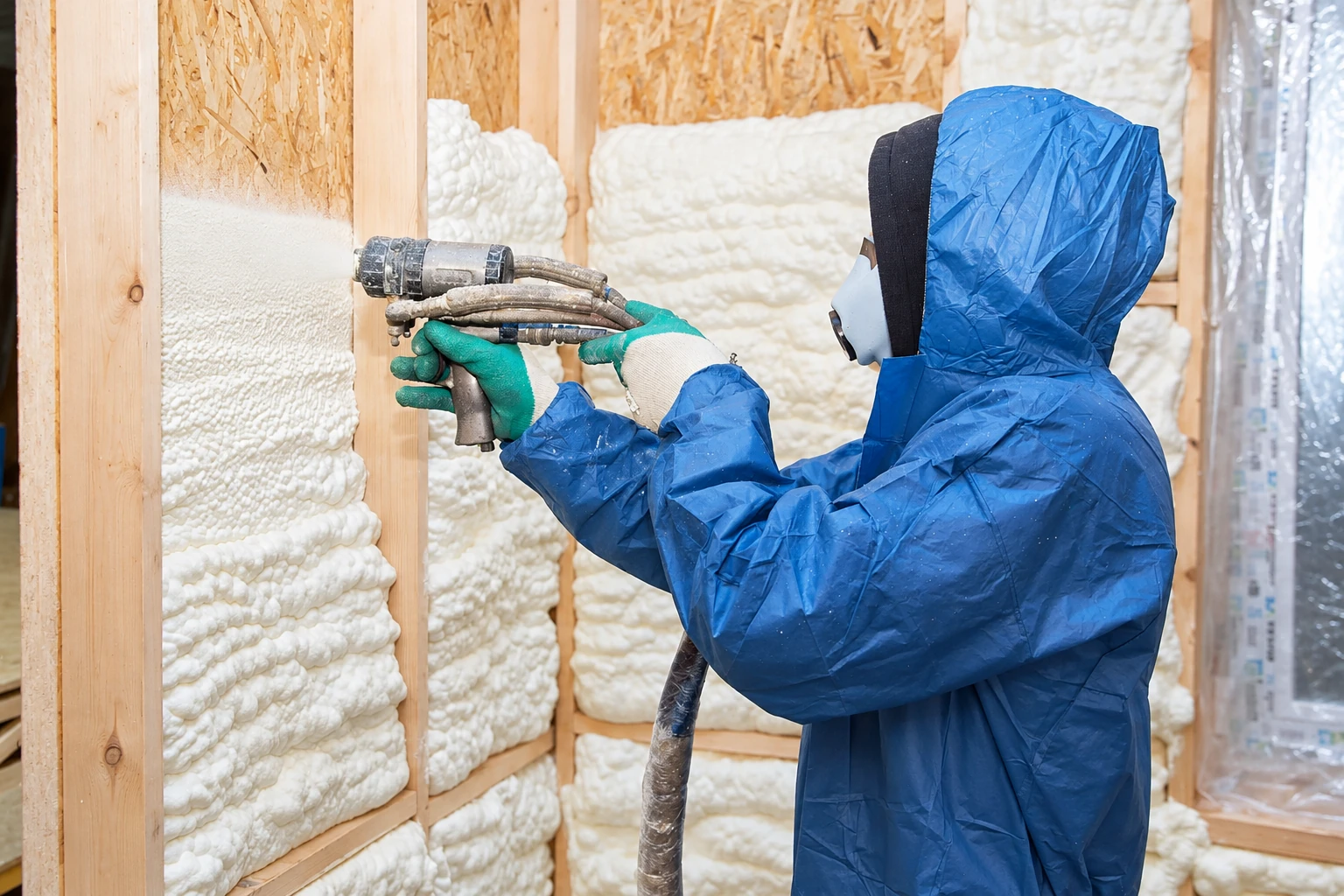
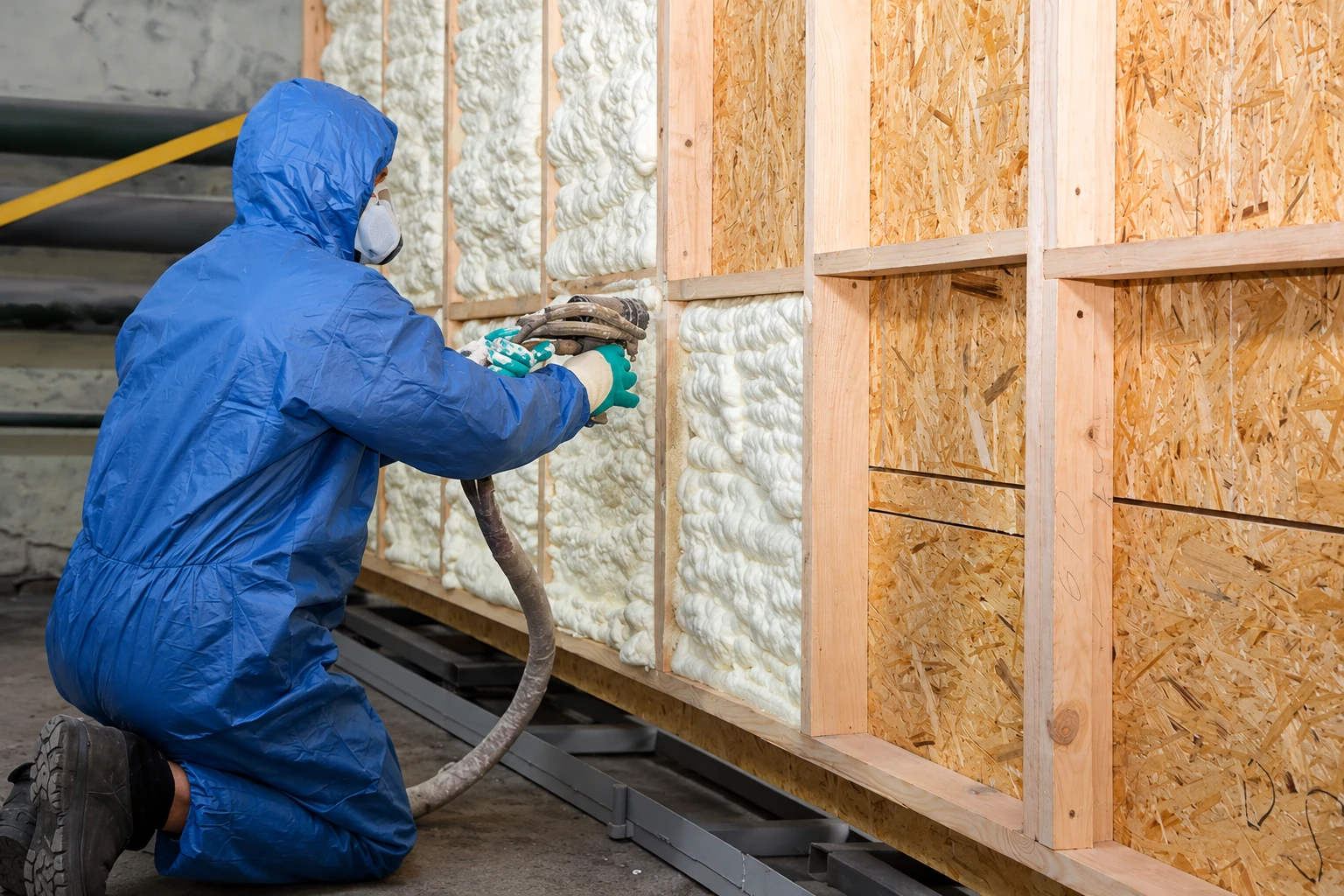
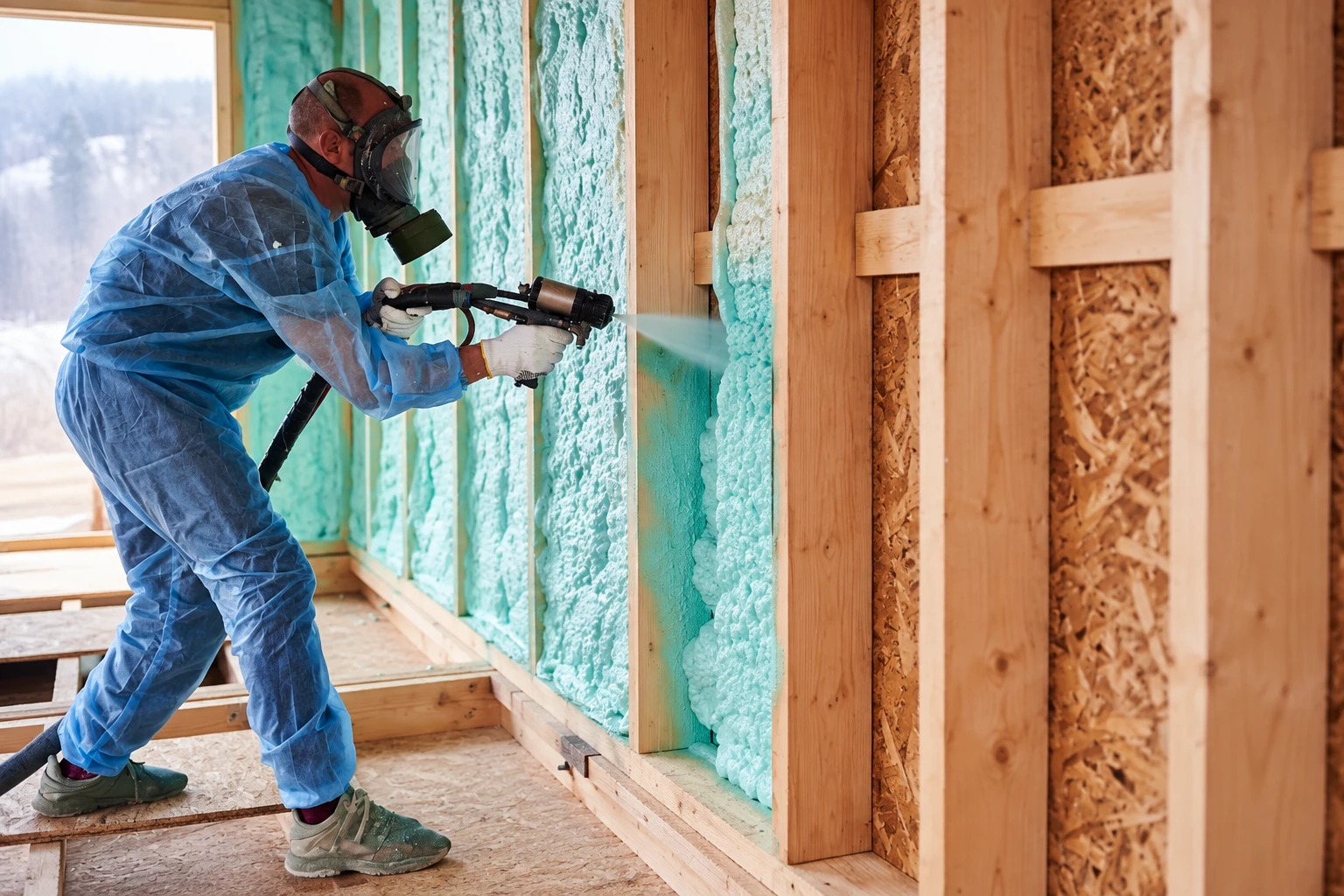
Foam expands to fill gaps, so it seals air while it insulates. It costs more, so we use it where it pays off, like an attic that holds your ductwork.
Beacon Conway Spray Foam Insulation is an insulation contractor based in Conway that works in Sherwood, AR. We insulate and air seal attics, walls and crawl spaces, and we check what's already up there before adding anything.
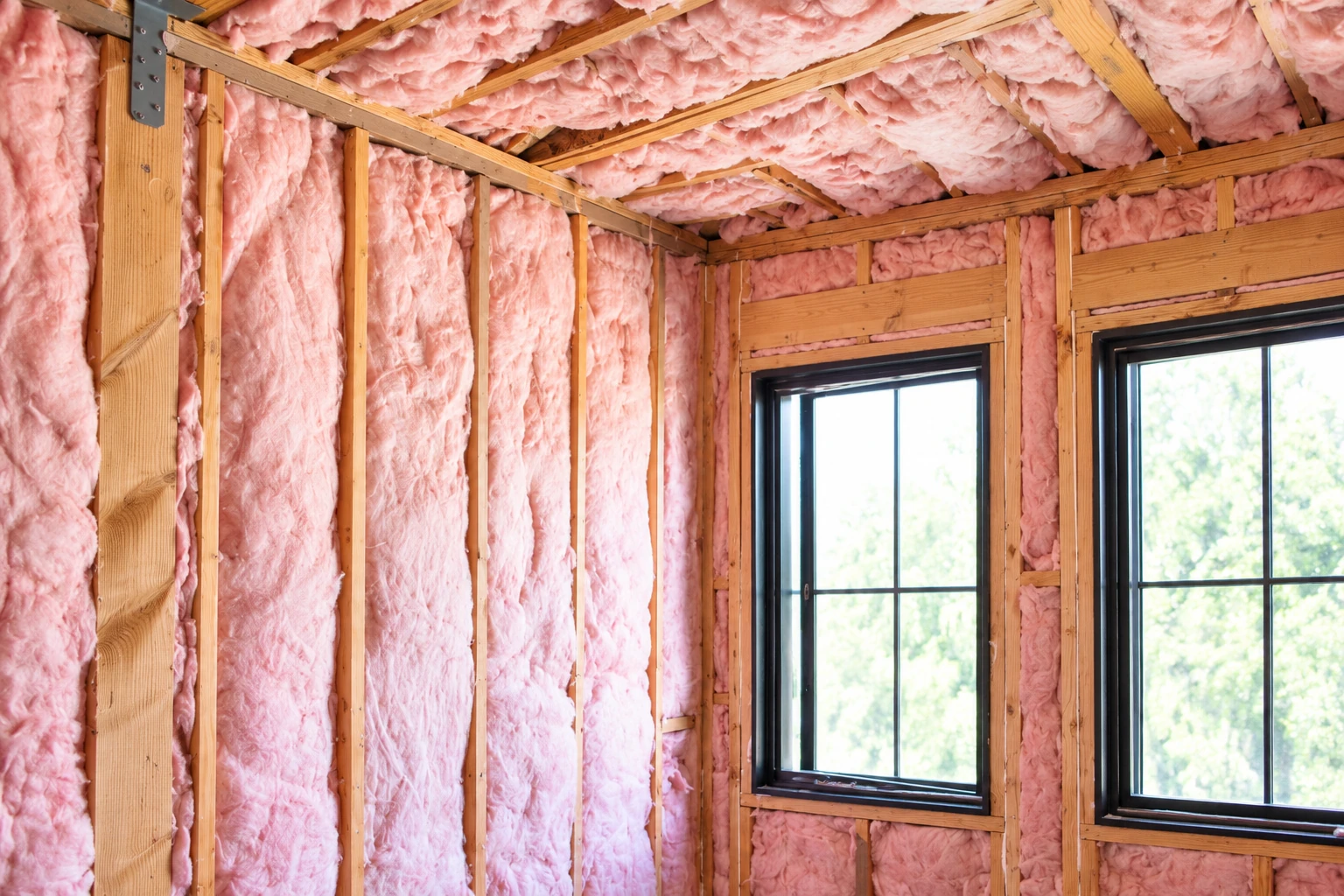
We work in Sherwood the same way we do next door in North Little Rock and up the road in Jacksonville, and the calls here sound a lot alike. Most are about a hot room upstairs in summer, floors that stay cold over the crawl space in winter, or the room over the garage that never keeps up with the rest of the house. Sherwood has older homes where the attic insulation has packed down over the years and newer neighborhoods where one room runs hot or cold, so I start every job by going up into the attic or under the house to see what's there.
The price moves with how much old material has to come out, how many gaps need sealing and whether foam or loose fill makes sense, and the schedule mostly turns on removal and when the crew has an open date. Your estimate spells out both for your house. In an older Sherwood house, cleanup and sealing usually come first, and the new insulation goes on last.
I come out to every estimate, and our crew works with me or a lead installer on site, so what I saw in your attic is what gets fixed.
If the old insulation is soaked or full of droppings, new material over it just hides the problem, so I'll tell you when removal has to come before anything else.
Coverage should run full out to the eaves instead of piling up in the middle, and the eave vents stay clear so the attic can breathe.
Foam expands to fill gaps, so it seals air while it insulates. It costs more, so we use it where it pays off, like an attic that holds your ductwork.
We measure how many inches are already up there, check for wet spots and droppings, then seal and add what the attic needs, keeping it full out to the edges.
Blown-in insulation is loose fill blown through a hose, and it's usually the simplest way to top up an attic once the gaps are sealed and the vents are clear.
When the whole house feels uneven, we check the attic, walls and crawl space together and tell you what to fix first, so nothing goes in around a bigger problem.
Old insulation that got soaked from a roof leak or fouled by rodents has to come out, because covering it keeps the smell and the moisture right where they were.
Cold floors in winter often trace back to the crawl space, so we check for moisture and loose or fallen insulation under the floor before deciding what goes back up.
Outside walls that feel cold to the touch are often empty or settled, and we can usually fill them through small holes without tearing out drywall.
Air sealing is closing the gaps air slips through, from the crawl space up through the walls, so insulation isn't fighting a draft and a drafty room settles down.
Where a house has a basement or a block foundation wall, we insulate the walls so the space below holds its temperature and the floors above stop feeling cold.
Closed-cell foam is dense foam that also blocks moisture, so it's what we usually reach for under floors, against foundation walls and anywhere water vapor is a concern.
Open-cell foam is softer and lighter, and it fills odd cavities well, so it often suits an attic roofline or interior walls where sound matters more than moisture.
For offices, shops and rental buildings, we walk the property with the owner, check what's already in the walls and roof, and plan the work around your hours.
A heavy plastic liner over the dirt cuts down on ground moisture in the crawl space, which protects the floor framing and helps keep the insulation under the floor dry.
We put vapor barriers where moisture would otherwise move into walls or framing, and we check where it belongs first, because one on the wrong side can trap water.
Before anything goes on the attic floor, we seal around the hatch, the pipe and wire holes and the can lights, because that's usually where a hot upstairs starts.
In an older house, we add insulation without a remodel, working from the attic, the crawl space and small holes in the walls, and fixing what's under it first.
Send the form and we'll reply within one business day to set a time. I'll come out, look at what's there and write down what I found and what I'd do, in order, with no obligation.
The estimate costs nothing because I have to see your attic and crawl space in person, and photos rarely show wet spots, droppings or buried vents.
You get a list of what I found and what I'd do first, second and third, so you can decide how far to go.
If your attic already has enough and the gaps are tight, I'll tell you the job isn't needed, and you won't get a sales pitch from me.
These are the questions Sherwood homeowners usually ask before booking insulation work, from permits and licenses to cost and getting back in the house.
The City of Sherwood issues residential and commercial building permits for property inside city limits, and you can apply through its website or call the city at (501) 835-5319. Permit rules differ from city to city, so I check with the city about your job before we start, and if the work needs a permit, we take care of it.
Yes, Arkansas requires home improvement contractors to hold a license from the state's Residential Contractors Committee unless they're exempt, and that covers alterations, repairs and removal work on a single-family house that's already built. A separate state law covers commercial buildings once a contractor's cost on the job reaches $50,000. We're licensed and fully insured, and it's fair to ask any contractor to show you theirs.
The cost depends on what's in your attic now and which material fits it, so I give you a number after I've seen it. Foam costs more because it seals air while it insulates. For most attics, sealing the gaps and topping up with blown-in is the better buy, unless your ductwork runs up there, and then foam often earns its price.
With spray foam, yes. You, the kids and the pets stay out while it's sprayed and until the re-entry time is up, which is the point the foam maker says it's safe to come back in. Blown-in and air sealing usually let you stay home, and I'll give you the re-entry time for our product before we schedule.
We're based in Conway and work in many cities around central Arkansas, from Morrilton out to Beebe and down to Bryant. If you don't see yours listed, call and ask.
Call (501) 273-0205 any day until 10 PM or send the form, and we'll set a time to come look.