Rooms that never feel right
If one bedroom stays drafty or the outside corner of the living room runs colder than the rest, the walls are usually where it's losing, and filling them evens things out.
If rooms feel drafty or outside walls are cold to the touch, we fill the wall cavities so your house holds its temperature.
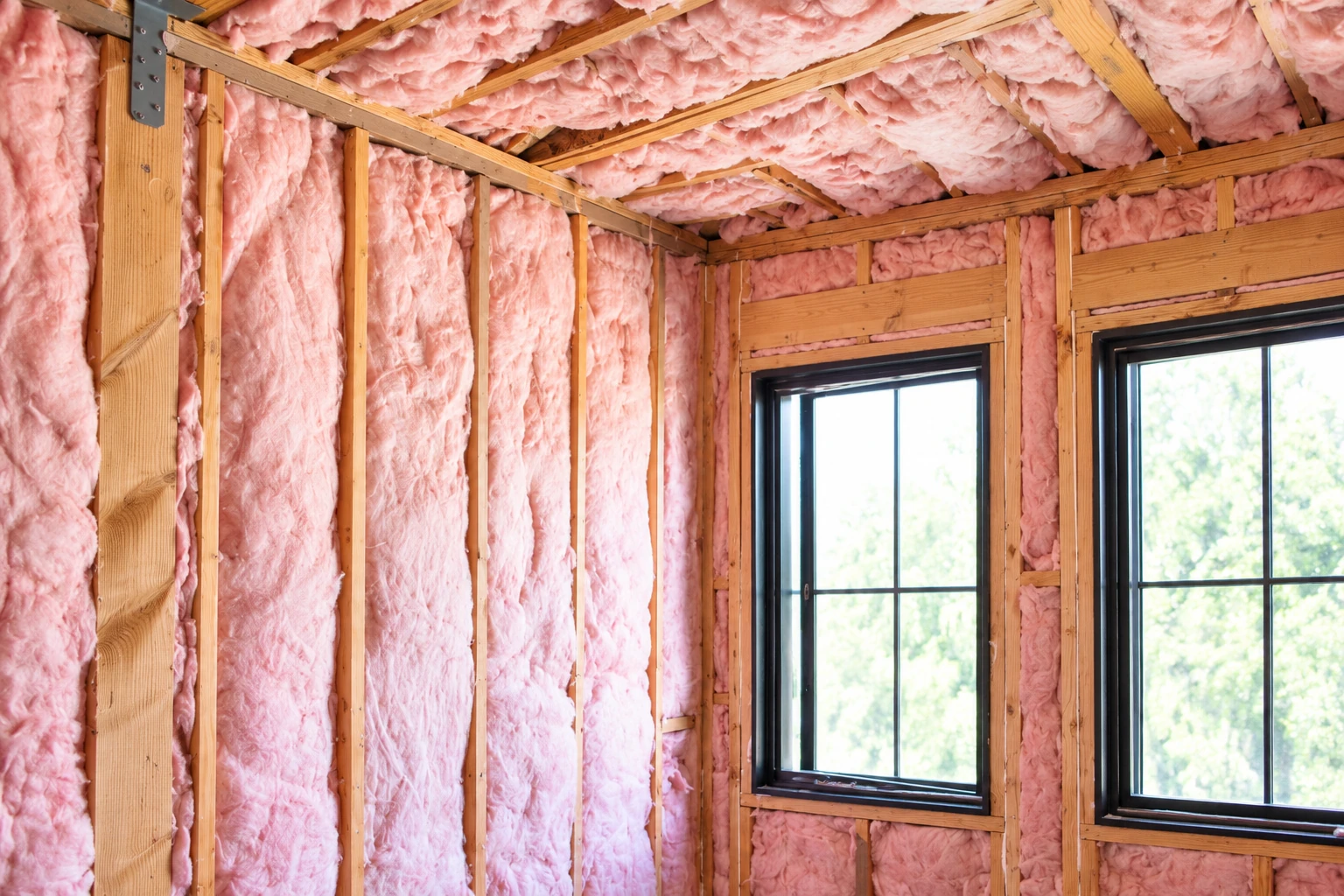
Wall insulation for a Conway, AR home fills the hollow spaces inside your existing outside walls, usually through small holes, so rooms lose less heat in winter and take on less in summer.
Most calls start with a drafty room or an outside wall that feels cold under your hand, and a lot of older houses went up with little or nothing in the walls. The price turns on how much wall we're filling, which side we work from and whether something has to be fixed first. The schedule turns on those same things, plus how easy the walls are to reach. You'll get your own figure after I've looked at your walls in person. We're based in Conway and work in many of the cities around central Arkansas, from Morrilton out to Beebe and down to Bryant.
I come out to every job myself and look at what's already in your walls, because anything wrong in there should get fixed before new insulation covers it up.
I'll explain what I found and why I'd go one way over another, so you understand the job well enough to decide, even if the answer is that your walls can wait.
Arkansas licenses home improvement contractors by job size, with a Limited license covering residential work under $50,000, labor and material included, and an Unlimited license covering any size. We're licensed and fully insured.
I start by walking the house and looking at what's in the walls now, and in an older home I ask about the wiring and the paint before anyone picks up a drill. Most walls can be filled through small holes without tearing them open, so we decide together whether to work from inside or outside. Then our crew drills near the top of each stud bay, the hollow between two wall studs. We blow loose insulation in through a hose, plug and patch the holes, and clean up before we go, with me or a lead installer on site.
Walls are only part of how a house leaks, because air also slips through where the walls meet the floors and the roof. That's why I often suggest air sealing services, which close those gaps before or alongside the wall work. If the cold seems to come up from below, basement insulation is a separate job, and I'll tell you which one I'd do first.
If one bedroom stays drafty or the outside corner of the living room runs colder than the rest, the walls are usually where it's losing, and filling them evens things out.
Since we work through holes we patch afterward, your drywall and trim stay put, and you aren't living through a remodel just to get the walls filled.
When the heat and air run hard all season, the walls are one place to look, though I'll tell you plainly if the attic or crawl space is the bigger gap.
Building owners call us about their properties too, and the job goes the same way, with a look at what's inside the walls before we talk about adding anything.
Send the form and we'll reply within one business day to set a time for me to come out. The estimate is free, done on site and comes with no obligation.
Every estimate is me at your house, not a quote over the phone, because I need to see what's in your walls before I tell you what they need.
I write down what I found and what I'd do, in the order I'd do it, so you can read it over and decide without anyone waiting on you.
Tell me the age of the house, any siding plans, built-in shelves or cabinets on outside walls, and any old wiring you know about, because each one changes how we'd fill the walls.
These example photos show wall cavities, blown-in fill and foam, so you can point at what you'd like to talk through for your house.
Here's what Conway homeowners usually ask about insulating existing walls, from cost and method to the checks an older house needs first.
Installed blown-in wall insulation across the US usually costs about $4 to $4.50 per square foot, and that's the market's range, not our price. Your Conway number depends on how much wall we're filling, which side we work from and what has to be fixed first, and it comes from a free estimate. Our work is satisfaction guaranteed.
Working from inside leaves the drainage plane alone, while working from outside cuts through it, so it has to be patched or replaced. The drainage plane is the layer behind your siding that sheds water. The right side depends on how easy each one is to reach and what shape that layer is in, so I look at both before we decide with you.
It can settle and leave gaps when a cavity isn't filled completely or isn't packed tight enough. Filled all the way and dense enough, blown-in insulation resists settling, and it also reaches odd-shaped spaces and works around pipes and blocking. That's why we pack each bay full before we patch the hole.
Yes, a couple of checks come before any drilling. In homes built before 1980, federal guidance says to be aware of lead safety rules, depending on how much wall is disturbed. The electrical code doesn't allow insulation on or around knob and tube wiring, an early style of house wiring. If you know or suspect either, tell me and we'll work out what comes first.
It's worth planning the two together, because adding continuous insulation, a solid layer over the bare outside walls, costs only a little more than the new siding. The energy payback is often 5 to 10 years, but the rooms get more comfortable and quieter right away. If re-siding is on your list, tell me at the estimate so we can talk through both.
The City of Conway's permit list names new construction, remodels, additions and accessory buildings, and it doesn't name wall insulation, so it's worth asking. I check with the city about each job before we start, and if the work needs a permit, we take care of it. You can also call the city's permit office at 501-450-6107.
Call (501) 273-0205 from 6 AM weekdays or 8 AM weekends, or email info@conwaysprayfoaminsulation.com, and tell us which rooms bother you most.