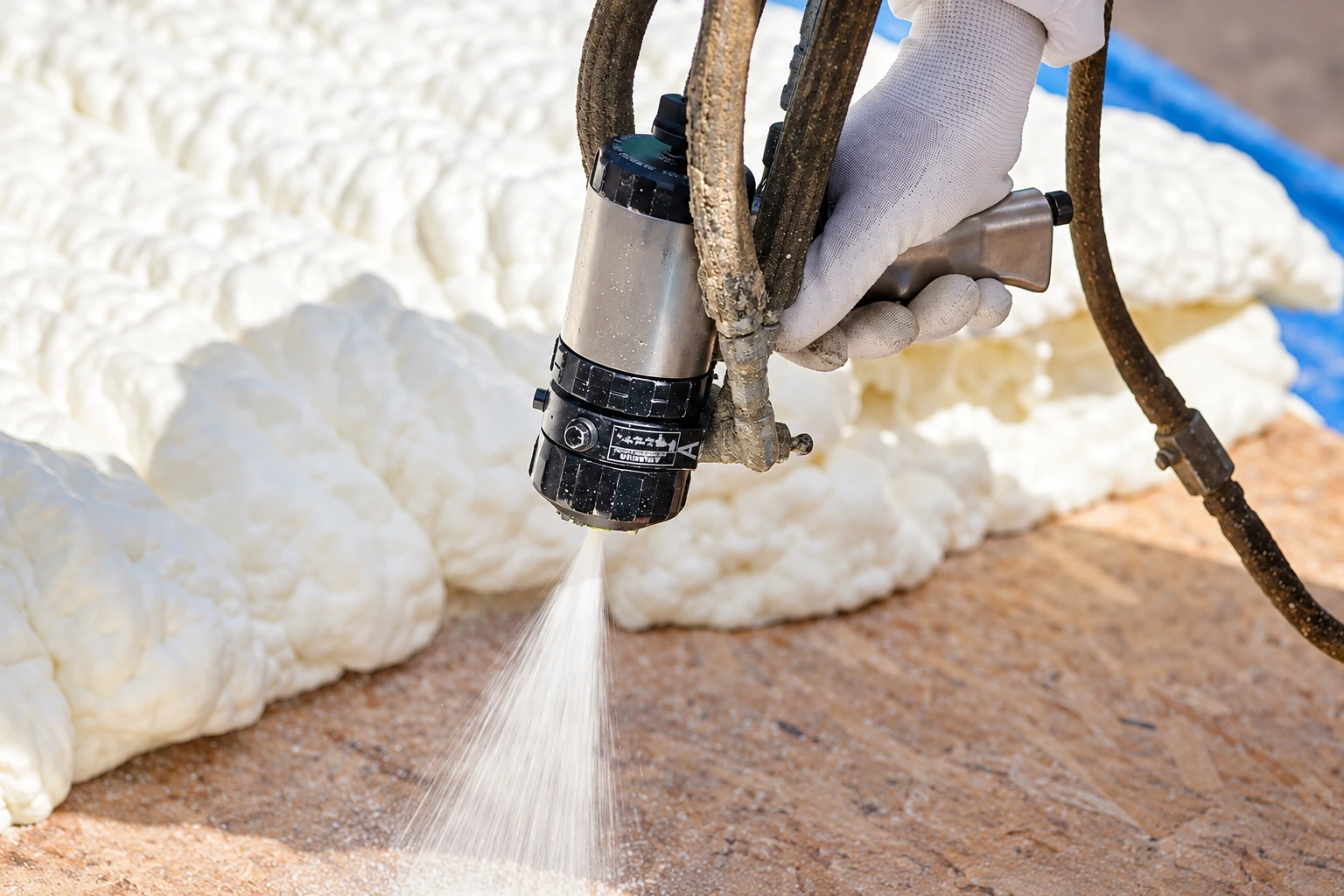
Spray foam insulation
Spray foam costs more because it seals air and insulates in one pass, so I usually point you to it when ductwork runs through the attic, not for every house.
Beacon Conway Spray Foam Insulation is an insulation contractor working in North Little Rock homes and buildings. We check attics, walls and crawl spaces, fix what's wrong, seal the gaps and add spray foam or blown-in insulation.
We're based in Conway and take jobs in North Little Rock the same way we do in Maumelle and Sherwood, with me coming out to look first. The price turns on what's already up there and what shape it's in, whether old material has to come out, how many gaps need sealing, how easy the attic or crawl space is to get into, and whether foam or loose fill fits your house. The schedule follows that same order, removal and repairs first, a permit if the job needs one and, with foam, the wait before you can go back inside. Your estimate puts all of that on paper for your house.
Homeowners here call us about a hot upstairs, cold floors and the room over the garage that never feels right. Older neighborhoods like Park Hill go back to the 1920s and 1930s, and houses that age have usually had insulation added a few times, so what's up there is often a mix of layers, some settled thin and some damaged, and we sort that out before anything new goes on.
Before anyone gives you a number, I come out and check the attic, walls or crawl space, how many inches are up there and what shape it's in, because that decides what comes next.
If old insulation is soaked or full of droppings, it comes out first, because new material laid over it just buries the problem and leaves it working against you.
Air sealing comes first, closing gaps so the insulation isn't fighting a draft, then we keep eave vents open so the attic can breathe and build the edges as deep as the middle.
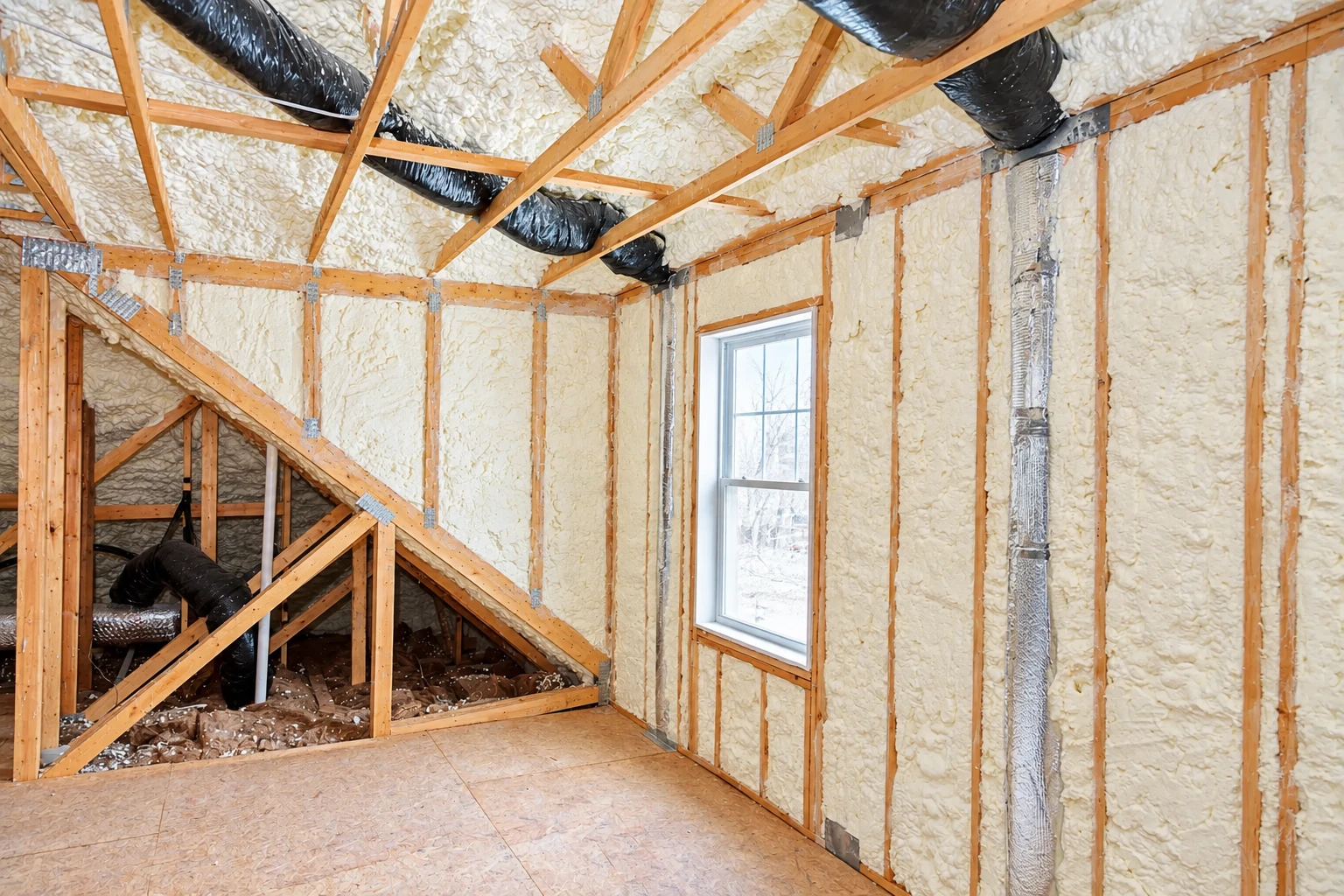
Spray foam costs more because it seals air and insulates in one pass, so I usually point you to it when ductwork runs through the attic, not for every house.
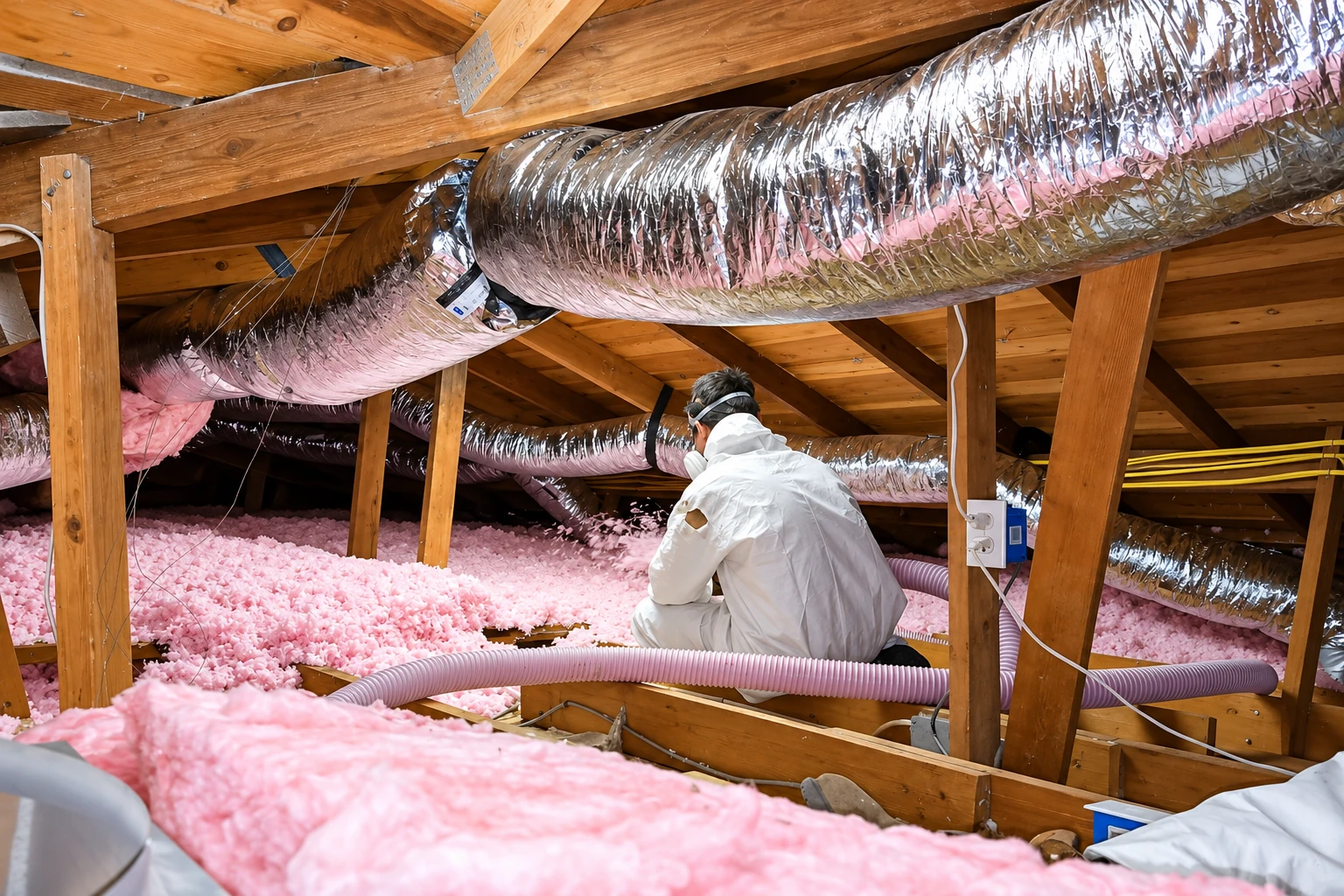
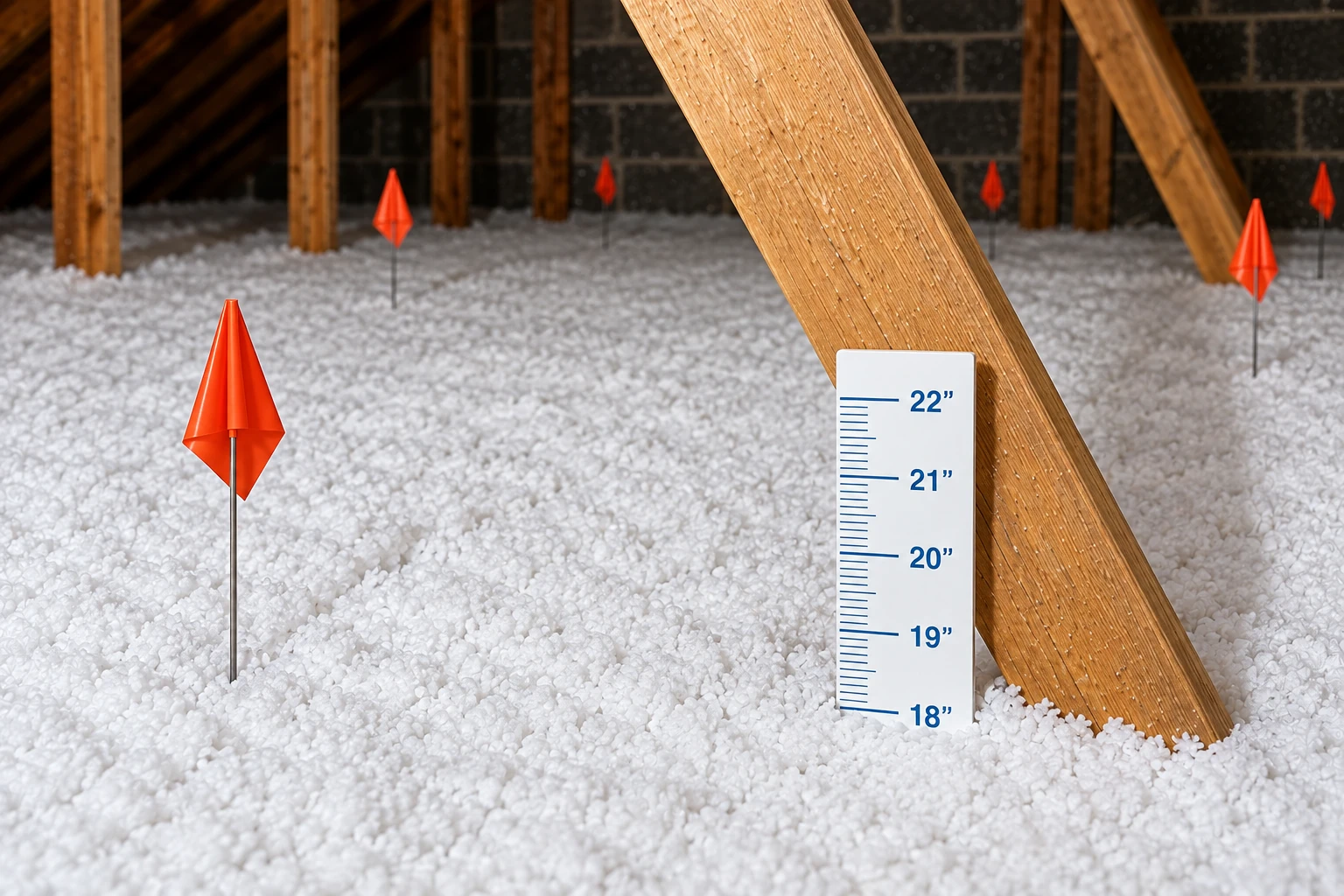
We measure how many inches are already up there and what shape it's in, then add what's missing, starting over the rooms you say run hot or cold.
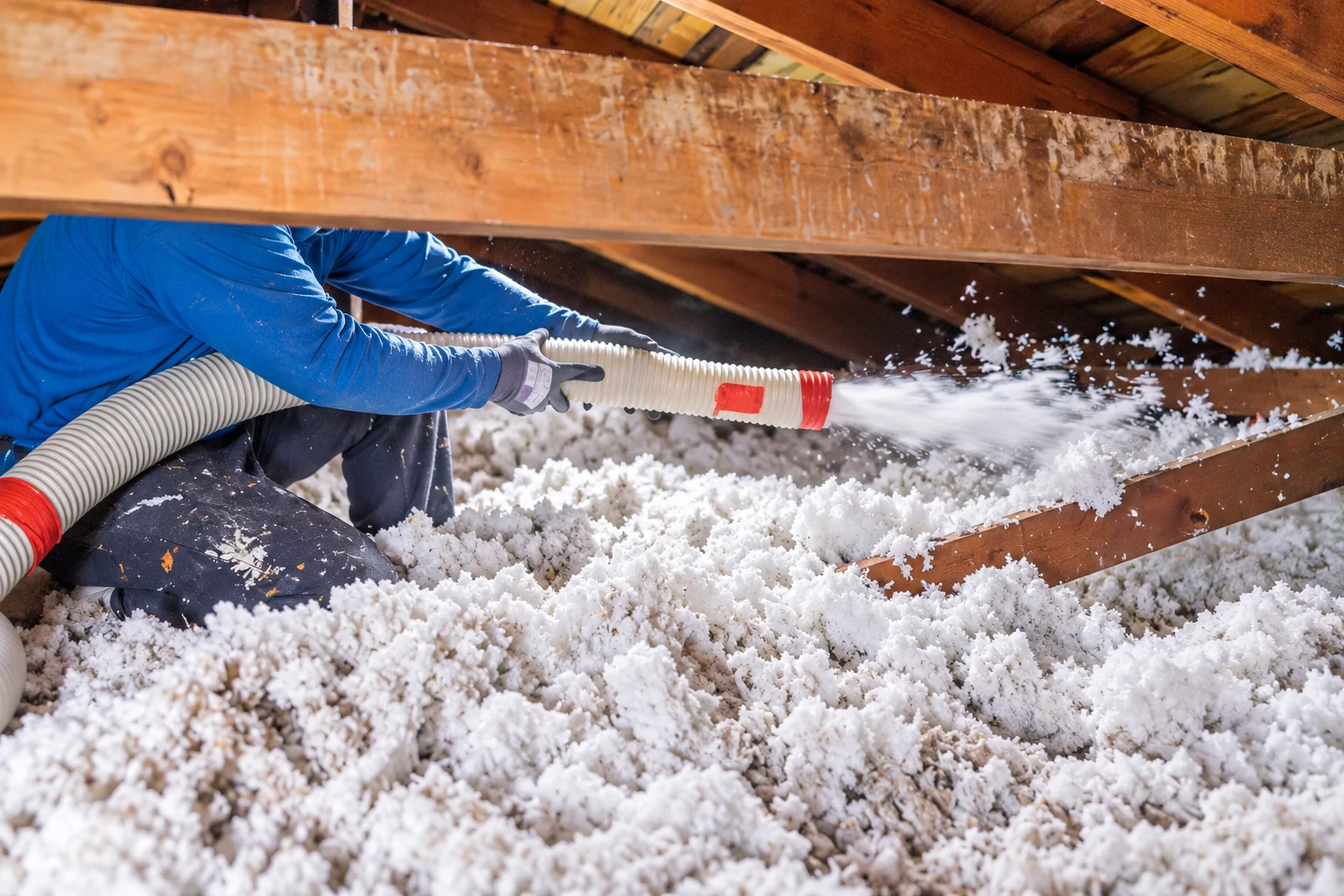
Blown-in insulation is loose fill blown through a hose, and it's a good way to top up an older attic once the gaps are sealed and the old layer is checked.
For a drafty house with uneven rooms, I walk the whole place, attic to crawl space, and tell you which part to do first and which isn't needed.
Old batts that are flattened, wet or nested in by animals come out bagged, and we look at the framing and ceiling underneath before deciding what goes back.
Cold floors usually trace back to the crawl space, so we check for moisture and loose or fallen insulation under the floor before choosing what to put up.
Walls in older houses are often empty or thinly filled, so we find out what's inside before filling them and tell you up front if a wall isn't worth opening.
We find where drafts come in and house air leaks out, through the attic floor, the crawl space and around pipes and wires passing through walls, then close them.
Where a house has a basement, we check the walls for damp first, because insulating over a wet wall traps the moisture instead of fixing it.
Closed-cell foam is dense and blocks moisture as well as air, so it suits crawl spaces, basement walls and other damp spots, though it costs more than open-cell.
Open-cell foam is softer and lighter, a fit for rooflines and spaces that stay dry, and it costs less than closed-cell when moisture isn't the worry.
For building owners, we look at what the building already has and how it's used, then talk through scheduling the work around when people are inside.
A vapor barrier is plastic sheeting over the crawl space dirt to keep ground moisture down, and we check for torn sheets and standing water before laying new.
Vapor barriers belong on the right side of the insulation, so we look at where moisture comes from before putting one in a wall, floor or crawl space.
Before topping up an attic, we seal the holes in the attic floor from above, around light fixtures, plumbing and the hatch, because insulation won't stop air moving through them.
In older houses we add insulation where there wasn't enough to begin with, working from the attic, walls and crawl space with as little opening up as the house allows.
We reply within one business day. I'll come out myself for a free estimate on site, with no obligation, and write down what I found and what I'd do, in the order I'd do it.
The estimate happens at your house, because I can't tell what's in your attic from a phone call, and you're under no obligation once you've seen it.
You get a written list of what I found and the order I'd fix it, so you can make the call yourself, even if that call is to wait.
We're licensed and fully insured, and our crew does the work with me or a lead installer on site at your house. Satisfaction guaranteed.
Here's what homeowners in North Little Rock ask before we start, from leaving the house to permits and contractor licenses.
Usually not for blown-in insulation, since the work stays in the attic and you can go about your day. Spray foam is different, so you, the kids and pets stay out until the re-entry time, the wait the foam maker sets before you come back inside, and I'll tell you that window before we start.
The city's Planning Department issues building and remodeling permits in North Little Rock, and it also enforces the city's construction codes and handles inspections. Permit rules differ from city to city, so I check with that office about your job before we start. If the work needs a permit, we take care of it.
Yes. The city requires every business doing work inside city limits to get a city business license, also called a privilege license, and that includes contractors based outside the city. It's renewed every year, so it's something you can ask any contractor about before work starts on your house.
Yes. The North Little Rock History Commission has to approve exterior changes to downtown buildings between Poplar, 9th Street, South Broadway and North Broadway, from signs and awnings to any outside construction. Most insulation work happens inside, but if a job would touch the outside of a downtown building, that approval comes first.
These are the cities with their own page on our site, not the only places we work. If yours isn't listed, call or send the form and ask.
Call (501) 273-0205 from 6 AM on weekdays or 8 AM on weekends, or send the form and tell us which room bothers you most.