Spray foam insulation
Foam costs more and seals air while it insulates. Sealing gaps and topping up loose fill usually wins, unless your ductwork runs through the attic.
Beacon Conway Spray Foam Insulation is an insulation contractor based in Conway, AR that works in Beebe. We insulate attics, walls and crawl spaces, and we fix what's under the old insulation before adding anything new.
Beebe is out at the eastern edge of where we work, beyond Cabot and Ward from our base in Conway. The calls we get here are the same ones we hear across central Arkansas: an upstairs that won't cool down, a room over the garage that's never comfortable, cold floors over a crawl space and a power bill that keeps creeping up.
What you'll pay comes down to what's already up there and whether it can stay, how many gaps need sealing and whether foam or loose fill fits your house. The schedule mostly turns on whether old material has to come out first and whether the city wants a permit. The estimate gives you your own number, with what I found and what I'd do written down in order. In a house that's been here a while, that usually means pulling insulation that's settled, soaked or been lived in by mice before anything new goes up.
I look at every job in Beebe myself before anything gets priced, and our crew does the work with me or a lead installer on site, so someone who saw your house is there for the work.
If the old insulation is wet or full of droppings, it comes out before anything new goes in, because fresh material over a problem just hides it for a while.
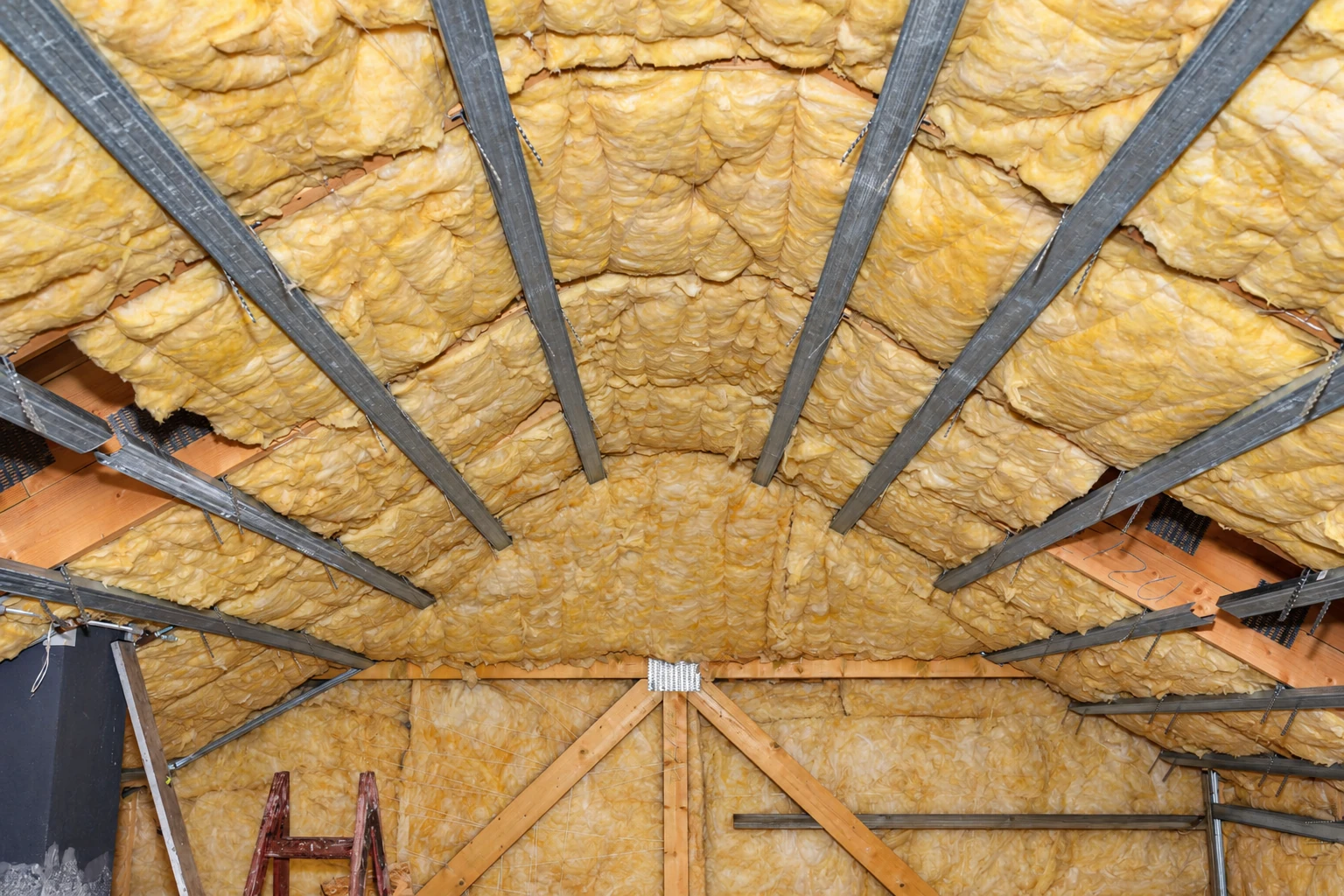
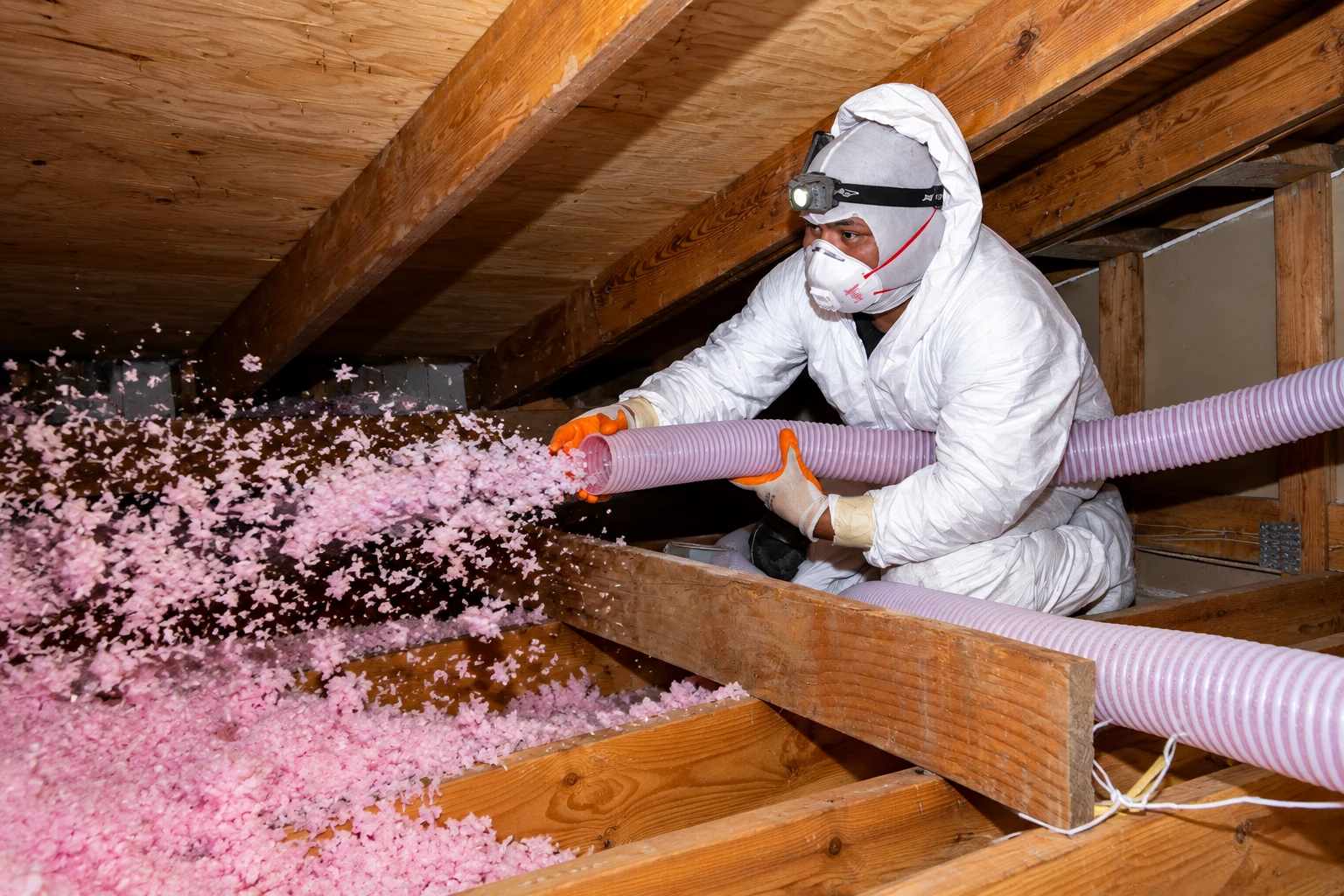
Attics often end up deep in the middle and thin along the edges, which is backward, so we work the coverage out to the eaves without burying the vents that let the attic breathe.
Foam costs more and seals air while it insulates. Sealing gaps and topping up loose fill usually wins, unless your ductwork runs through the attic.
We measure the inches already up there, check for wet or dirty material, seal the gaps, then build the coverage back up evenly out to the edges.
Blown-in insulation is loose fill blown through a hose, and it's usually the sensible way to top up an attic once the gaps underneath are sealed.
When the whole house feels drafty or the power bill keeps climbing, I walk the attic, walls and crawl space and tell you which one to fix first.
Insulation that got soaked or filled with droppings comes out before anything new goes in, because covering it just keeps the problem under the fresh material.
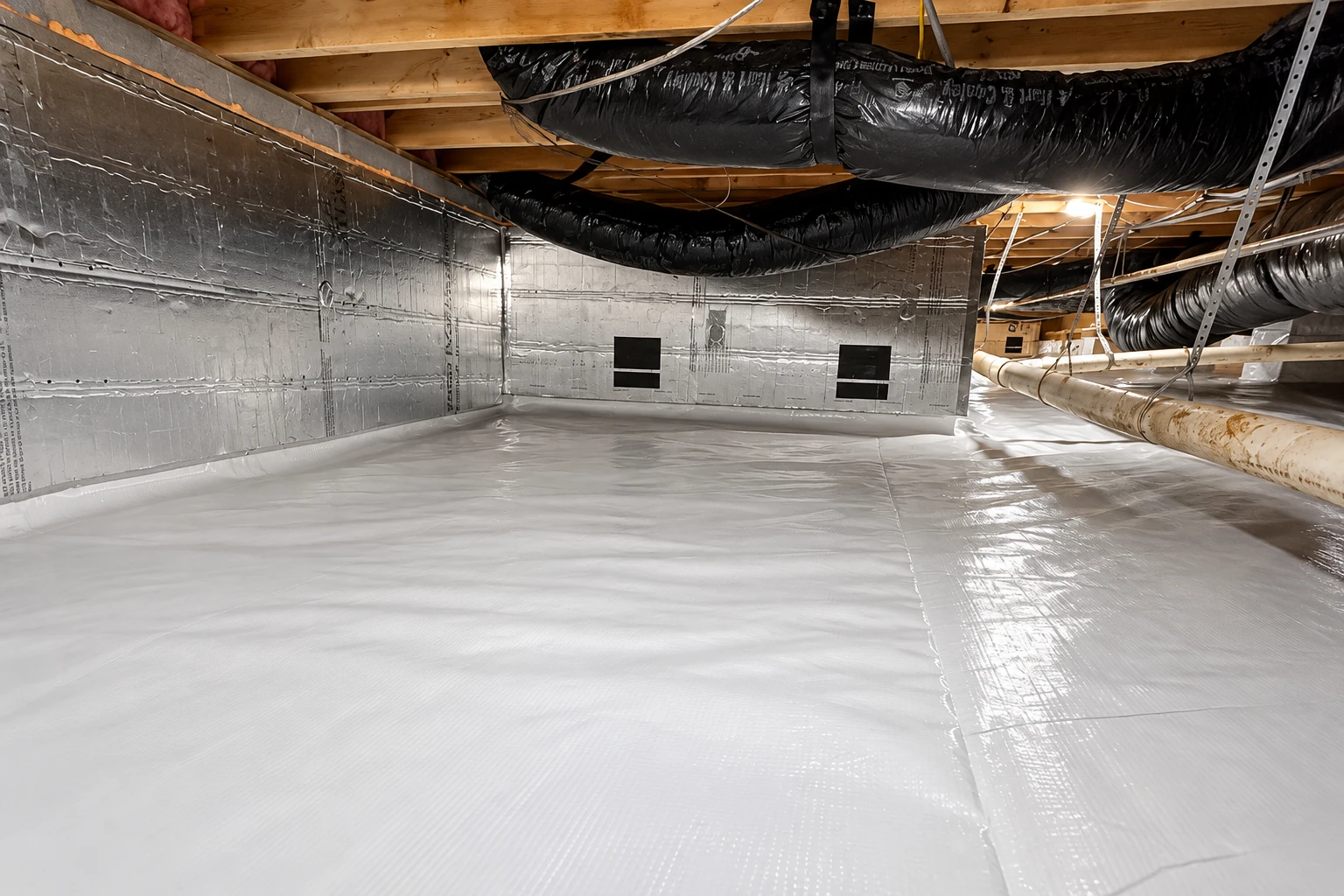
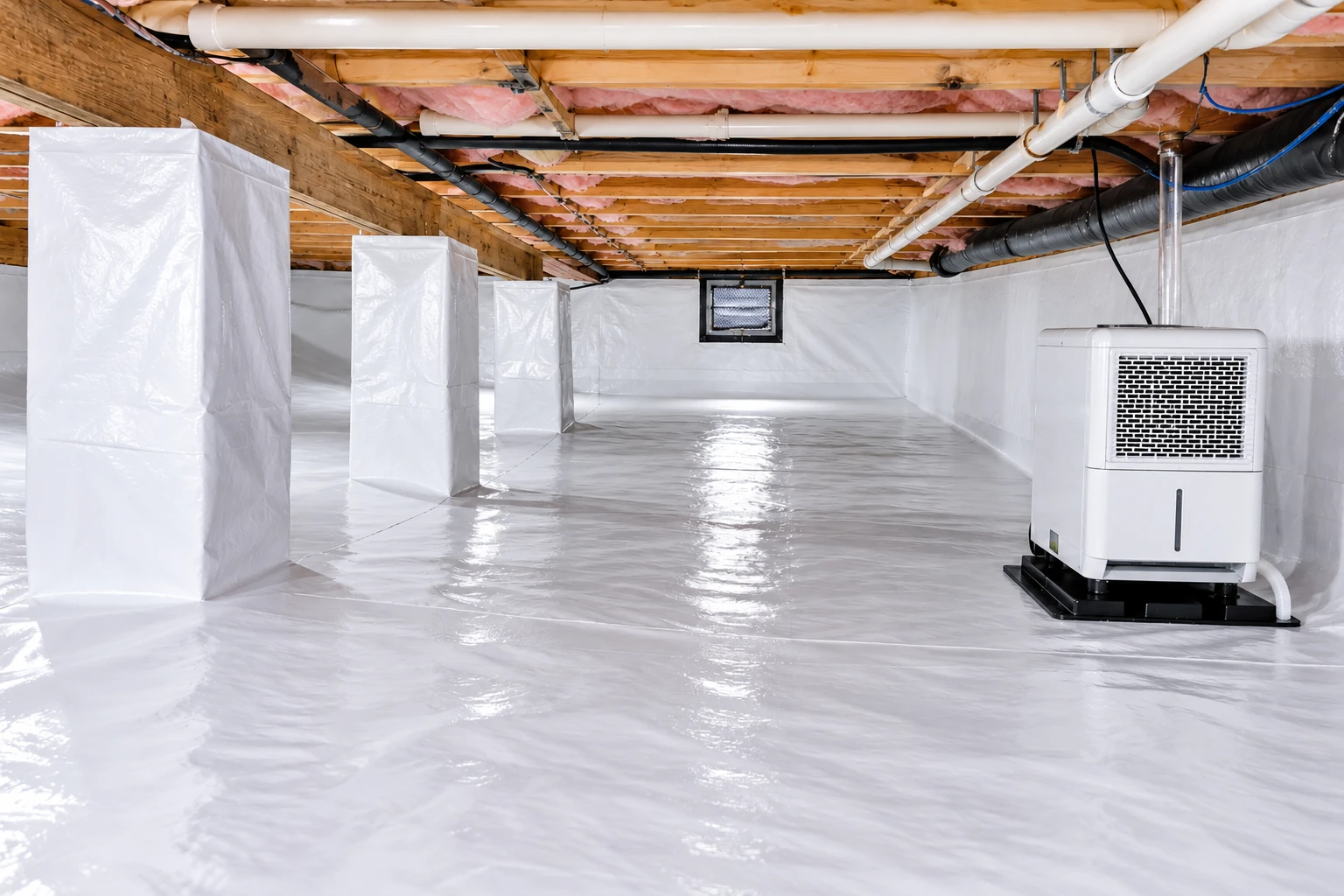
Cold floors usually trace back to the crawl space, so we check for moisture and for batts that have sagged or fallen before we insulate under the floor.
An outside room that runs hot in summer and cold in winter often has thin or empty walls, and we check those cavities before we suggest filling them.
Air sealing means closing the gaps where air slips through the house, so new insulation isn't fighting a draft. It's usually the cheapest fix with the most effect.
Where a house has a basement, we check the walls and the rim joist, the framing that sits on the foundation, for dampness before choosing what goes on them.
Closed-cell foam is dense foam that also blocks moisture, so we reach for it on rim joists, crawl space walls and other spots where damp air is the trouble.
Open-cell foam is softer and lighter, and it's often the pick for the underside of a roof deck over ductwork when moisture isn't the main worry.
Some building owners call us about their properties too, and I walk a building the same way I'd walk a house, looking at what's there before suggesting anything.
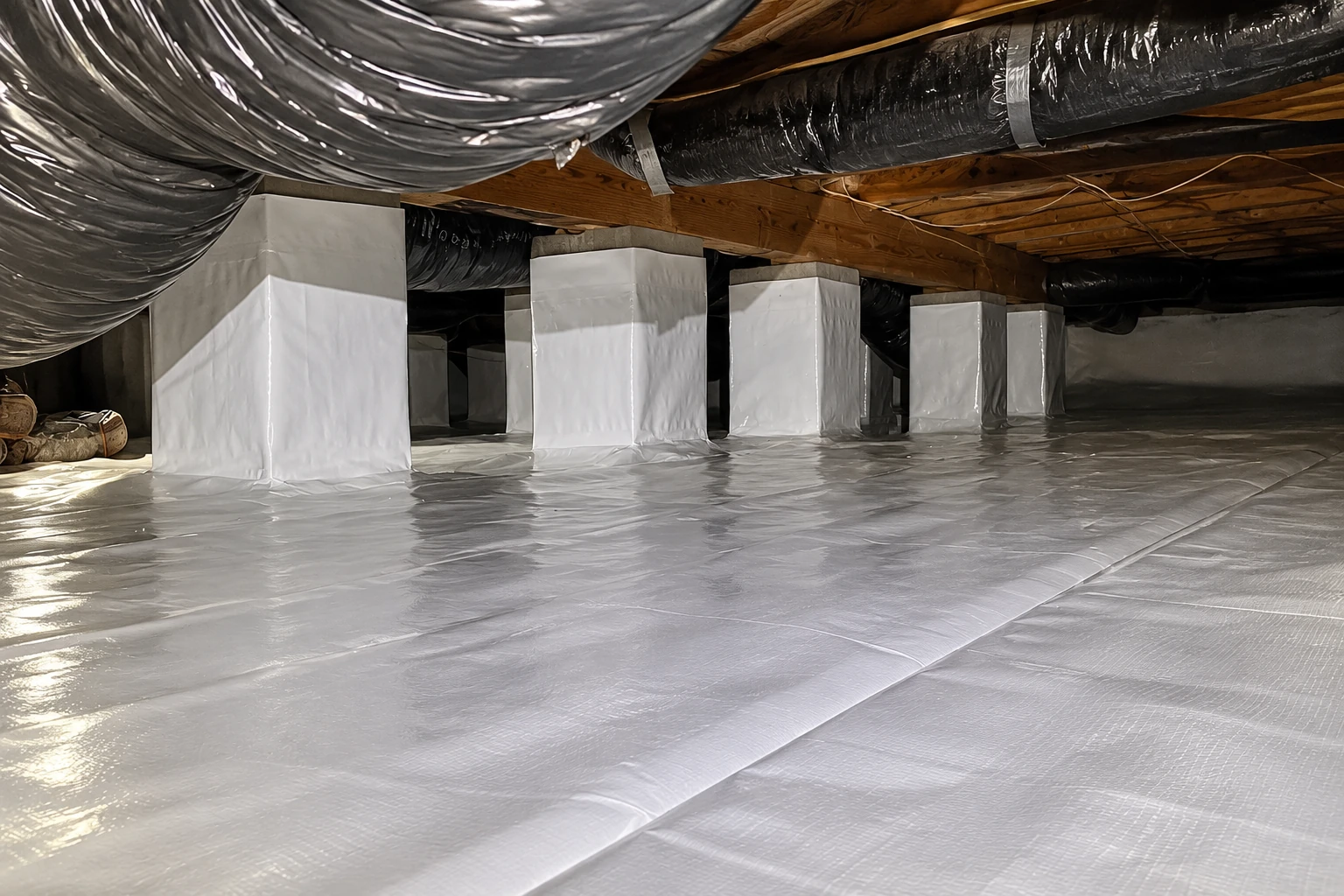
A vapor barrier is a heavy plastic sheet laid over the crawl space dirt, and it keeps ground moisture from soaking the framing and the insulation above it.
If insulation in a wall, floor or attic keeps getting damp, we find and fix the source first, then install a vapor barrier where the house actually needs one.
Before any insulation goes up, we seal around can lights, plumbing pipes, wiring holes and the hatch, because those small gaps leak more air than most people expect.
Retrofit work adds insulation to a house you're already living in, starting with what's there now and whether it can stay or has to come out first.
Send the form or call, and we'll reply within one business day to set a time for me to come out. The estimate is free, done at your house, and there's no obligation.
I write down what I found and what I'd do, in the order I'd do it, so you can make the call yourself without me standing there.
If the insulation you have is doing its job, I'll tell you so, because adding more over a good attic is money you didn't need to spend.
We're licensed and fully insured, and our crew cleans up the hatch area and every room we walked through before we leave. Satisfaction guaranteed.
These are the questions Beebe homeowners usually ask before they hire anyone to work in their attic or crawl space.
You apply through the City of Beebe, and its Apply for Permits page sends you to an online portal for the forms. Permit rules differ from city to city, so I check with the city about each insulation job before we start. If yours needs a permit, we take care of it.
Yes. Arkansas requires a home improvement contractor working on an existing single family home to hold a license from the state's Residential Contractors Committee. A project of $2,000 or less is exempt unless it's split into smaller contracts to get there, and so is an owner working on their own house. We're licensed and fully insured.
Usually yes for spray foam, because the foam maker sets a re-entry time, the wait before people and pets can come back inside, and we go by it. I'll tell you that wait for the product we'd use before the job is on the calendar. Blown-in insulation and air sealing usually don't need you out of the house.
These are the cities with their own page on our site, and we work in plenty of others around central Arkansas. If you don't see yours, call and ask.
Call (501) 273-0205 or send the form and tell me which room bothers you, so I know where to start looking when I come out.