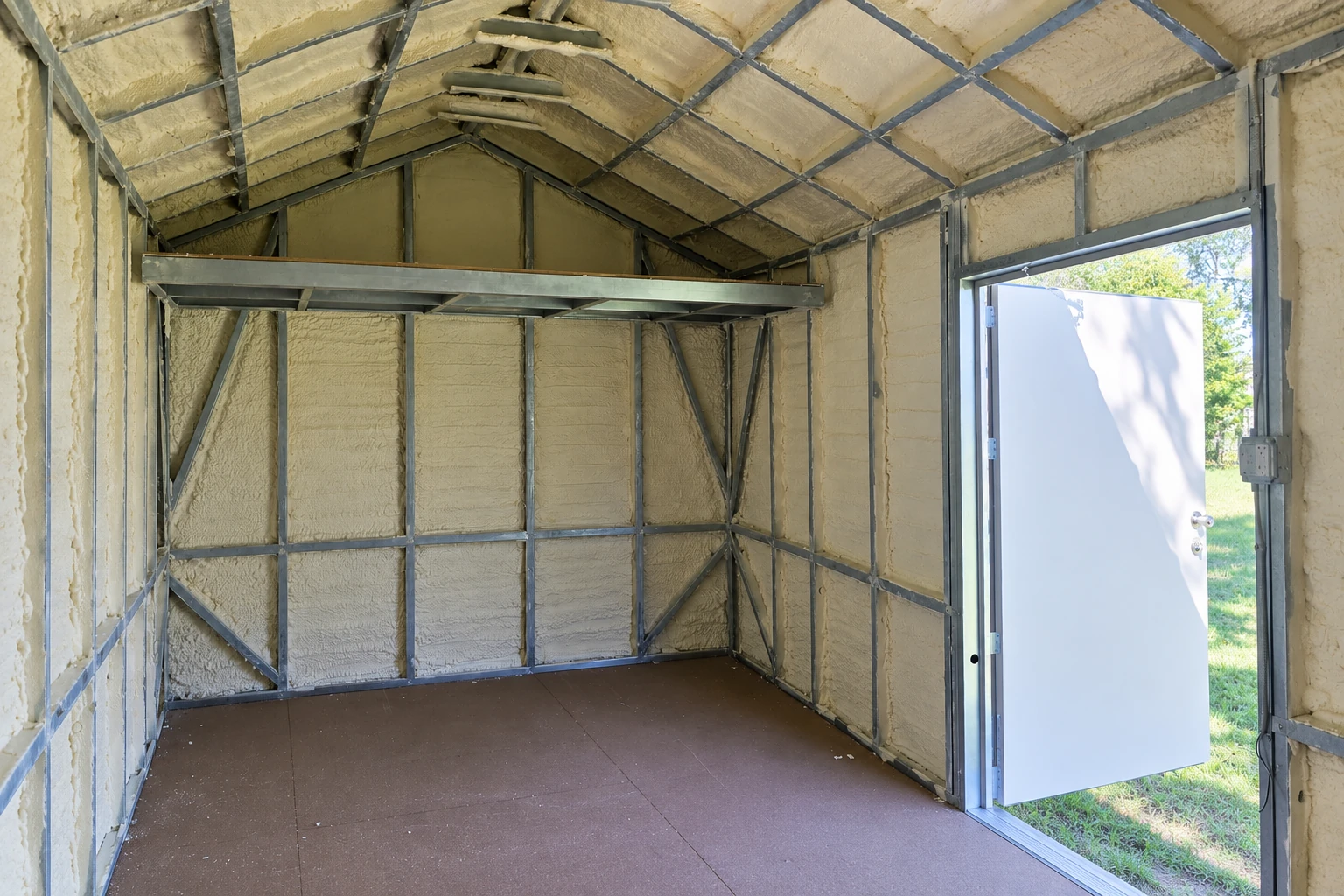
Spray foam insulation
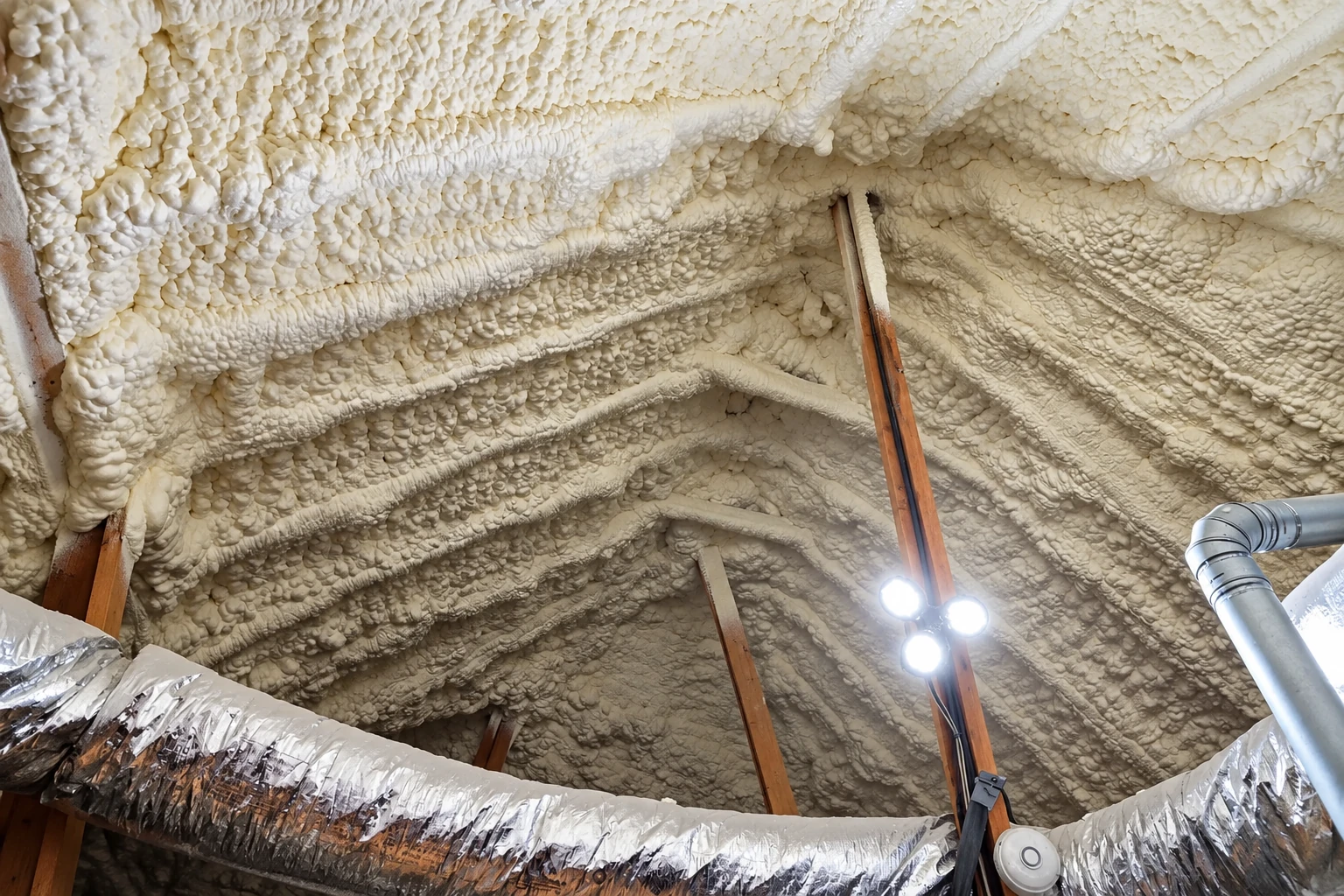
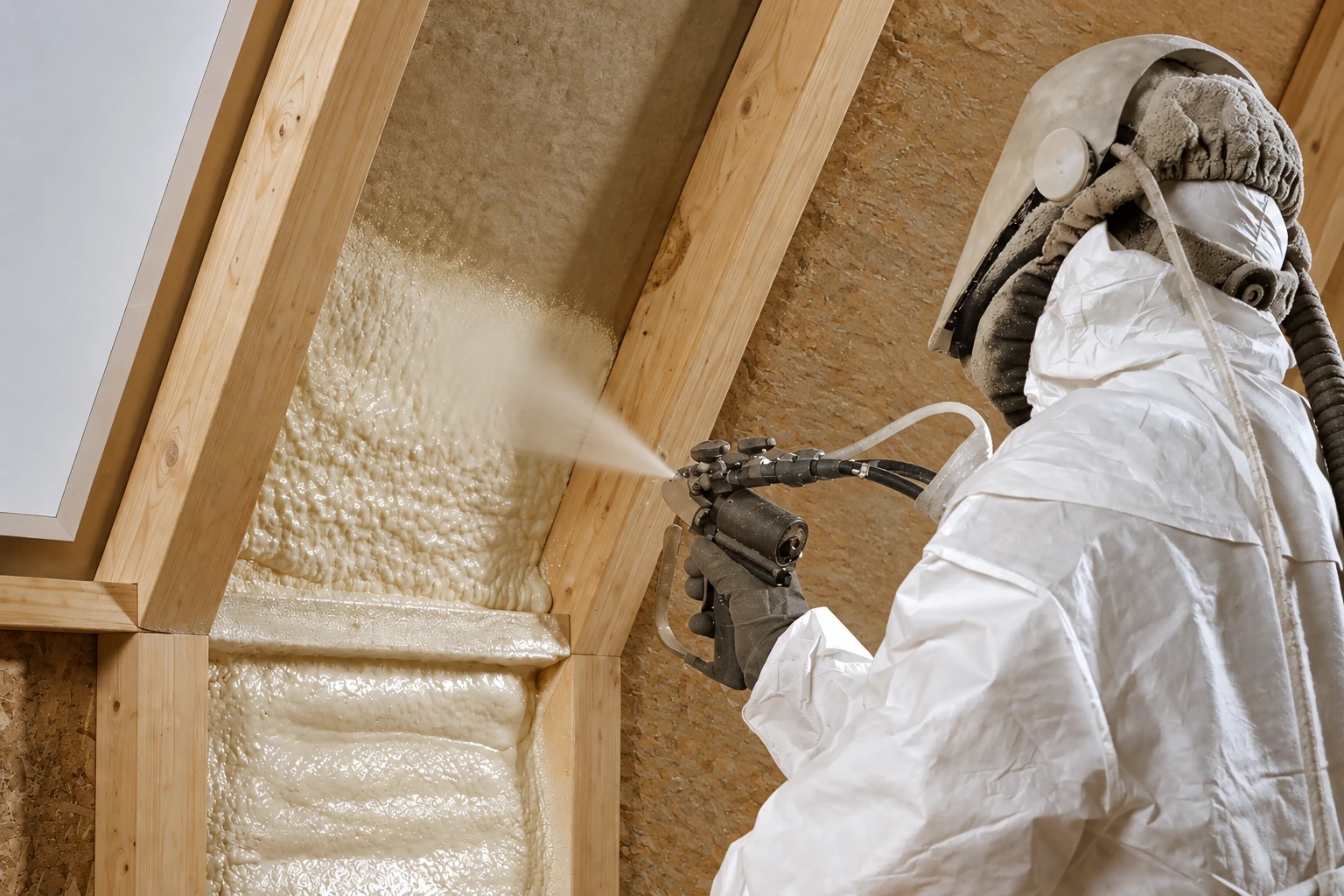
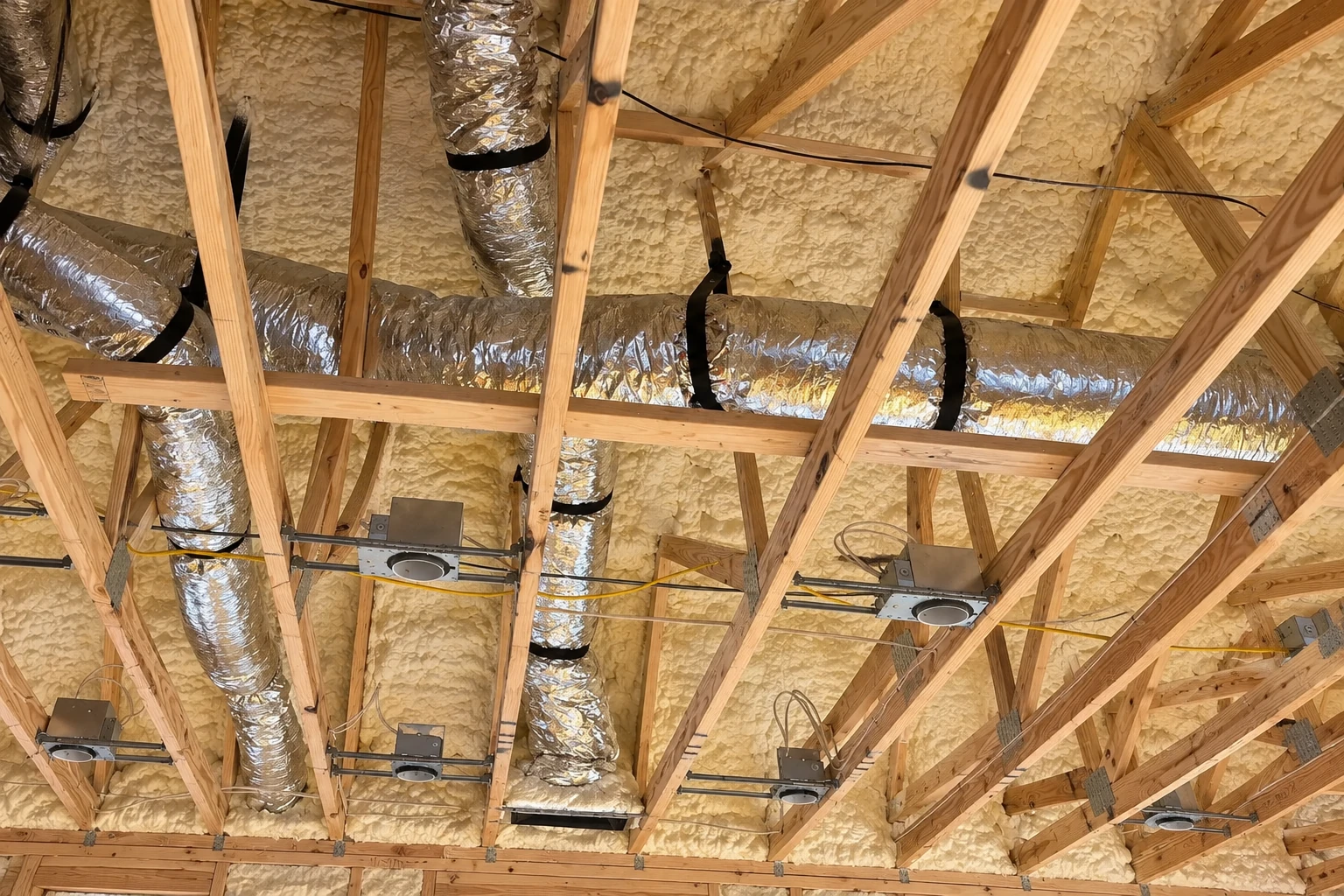
Foam seals gaps while it insulates, so it costs more but earns it when ductwork runs through the attic. Where it doesn't, I'll tell you a cheaper fix works.
Beacon Conway Spray Foam Insulation is an insulation contractor based in Conway, AR. We insulate and air-seal attics, walls and crawl spaces in Conway homes, and we look at what's already up there before suggesting anything new.
We're based in Conway, and homeowners here call us about drafty rooms, a hot upstairs or a power bill that won't come down. We also work in many of the cities around it, north to Greenbrier and southeast to North Little Rock.
What moves the price is what I find before we add anything: how many inches are already up there, whether old material is wet or full of droppings and has to come out, how many gaps need sealing, and whether foam or loose fill fits your attic. The schedule turns on those same things, plus how easy the attic and crawl space are to reach and whether your job needs a permit, and the estimate puts your own house's version on paper. Older houses near downtown often have a few tired inches left and need clearing and sealing first, while newer subdivisions usually have blown-in that's settled thin at the edges and a room over the garage that runs hot.
I come out to look at every job myself, and our crew does the work with me or a lead installer on site, so the plan doesn't get lost between the estimate and the attic.
We're known for checking what's already in a house before talking about adding anything, so you know whether the trouble is thin insulation, open gaps or something underneath.
Rules differ from city to city, so the permit question gets settled before our crew starts, and if your job needs one, we take care of it so you aren't chasing paperwork.
Foam seals gaps while it insulates, so it costs more but earns it when ductwork runs through the attic. Where it doesn't, I'll tell you a cheaper fix works.
We check how many inches are already up there and whether it's dry and clean, then seal and top it up so the edges get as much as the middle.
Blown-in insulation is loose fill sent through a hose, which works well for topping up an attic floor, as long as the eave vents stay clear so the attic breathes.
For drafty rooms or a hot upstairs, we look at the attic, walls and crawl space together and tell you which one is really behind it.
When old insulation is soaked, moldy or full of droppings, it comes out before anything goes back in, because new material over a problem only hides it.
Cold floors usually start below the house, so we insulate the crawl space and seal the gaps around pipes and wiring where cold air comes up.
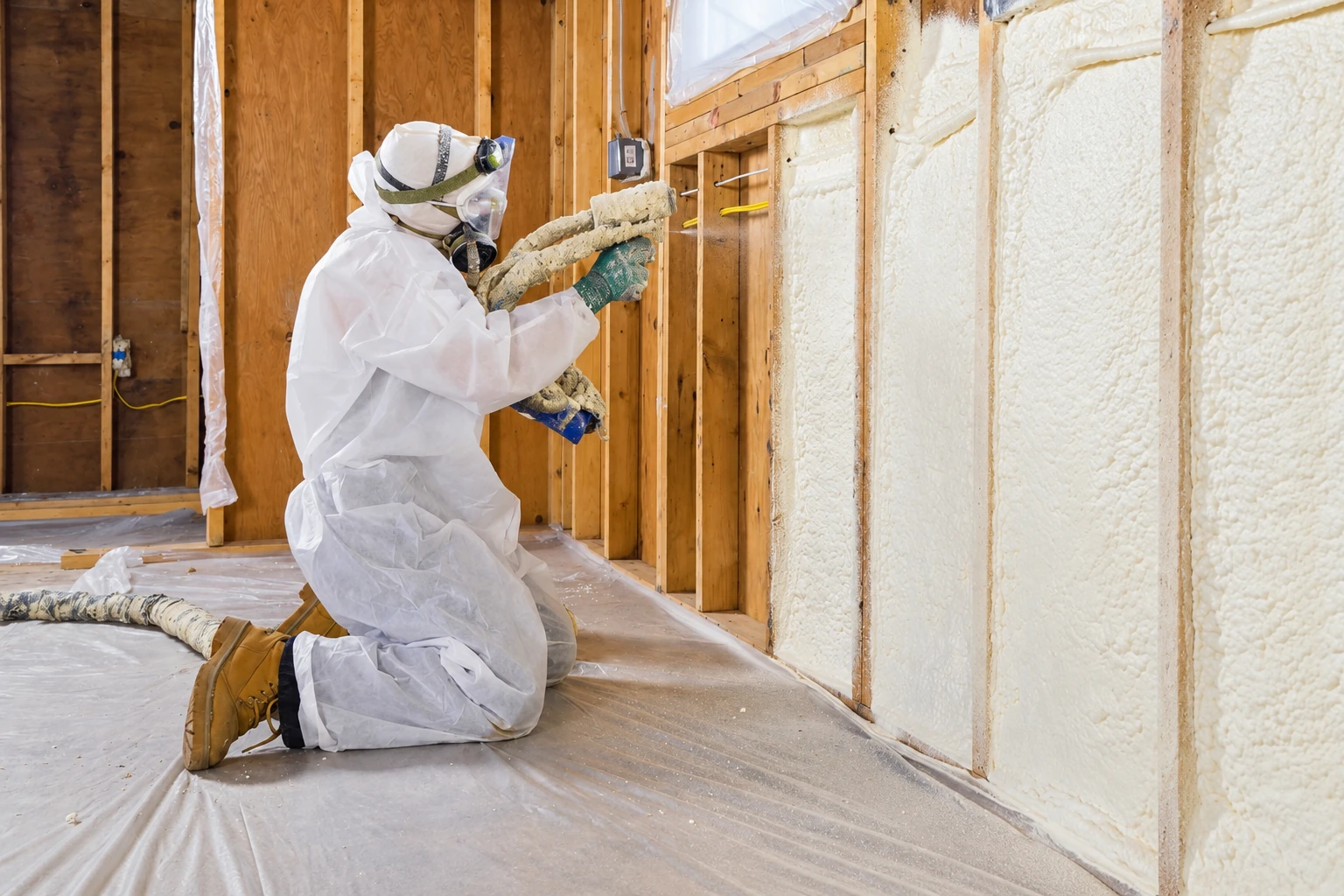
Older walls with little or nothing inside can often be filled through small holes, from inside or outside, and we patch them when we're done.
Air sealing means closing the gaps around plumbing, wiring and where the house meets its foundation so drafts stop, and it's often the step that makes a room feel better first.
Basement walls stay cool and can sweat, so we use material that handles moisture and insulates without trapping water against the concrete.
Closed-cell foam is dense foam that blocks moisture as well as air, so it suits crawl spaces, basement walls and other spots where dampness is a worry.
Open-cell foam is softer and lighter, seals air well and costs less than closed-cell, so it's a common pick for rooflines and interior walls that stay dry.
Some building owners call us about their properties, and I walk the building first, write down what I find and plan the work around the people using it.
A vapor barrier is a heavy plastic sheet over the dirt that keeps ground moisture down, so the floor framing and insulation above it stay drier.
Outside crawl spaces, we put vapor barriers in walls and basements only where they belong, because one on the wrong side can trap moisture instead of stopping it.
Before anything goes on the attic floor, we seal around can lights, the hatch, pipes and wire holes, because air moving up through them undercuts new insulation.
Retrofit work adds insulation to a finished house, like the room over the garage or closed-up walls, working around what's there instead of tearing it out.
Send the form and we'll reply within one business day to set a time. You'll get a written list of what I found and what I'd do, in order, with no obligation.
The estimate is free and done at your house, since I can't tell what's under your insulation or around the hatch until I've been up there and looked.
If your insulation is fine and the draft is coming from somewhere else, I'll tell you so, because I'd rather you understand the job and make the call yourself.
It helps to know roughly how old the house is and which rooms run hot or cold, since that tells me where to look first when I come out.
Here's what Conway homeowners ask before an insulation job, from permits to whether you'll need to be out of the house.
The city's permit list doesn't name insulation on its own, so that's a question I take to Conway's Building Permits & Inspections office for each job. The city issues permits for remodels, additions and new construction, with separate permits for electrical, plumbing, gas and mechanical work, and work waits until they're issued. If a permit applies and your house is in the Historical District, approval comes first.
The city says trade permit applications may take 1 to 2 business days, and residential permit review may take up to 3 to 5 business days. Those times assume the plans and documents sent in are complete. That's one reason I settle the schedule after I've checked on your job, not before.
In general, no. The city's business FAQ says most businesses don't need a City of Conway business license, though some business types have separate city requirements, and the city will provide a letter of verification on request. For our part, we're licensed and fully insured, and I'm glad to go over that at the estimate.
With foam, usually yes, and the kids and pets go with you, because the foam maker sets a re-entry time, the wait before you can come back inside. I'll tell you that wait for the product we'd use at the estimate so you can plan around it. Blown-in and sealing work usually lets you stay home.
Besides Conway, these cities have their own page here. We work in other cities around central Arkansas as well, so call or use the form to ask about yours.
Our hours run until 10 PM every day, so call (501) 273-0205 after work or on a weekend, or send the form instead.