The room over the garage
That room has unheated space on more than one side, and the gaps where its ceiling and walls meet the attic are often wide open, so sealing them helps it keep up.
Drafty rooms, a hot upstairs or dust settling in the rooms below? We close the attic leaks first, so your heating and cooling stay put.
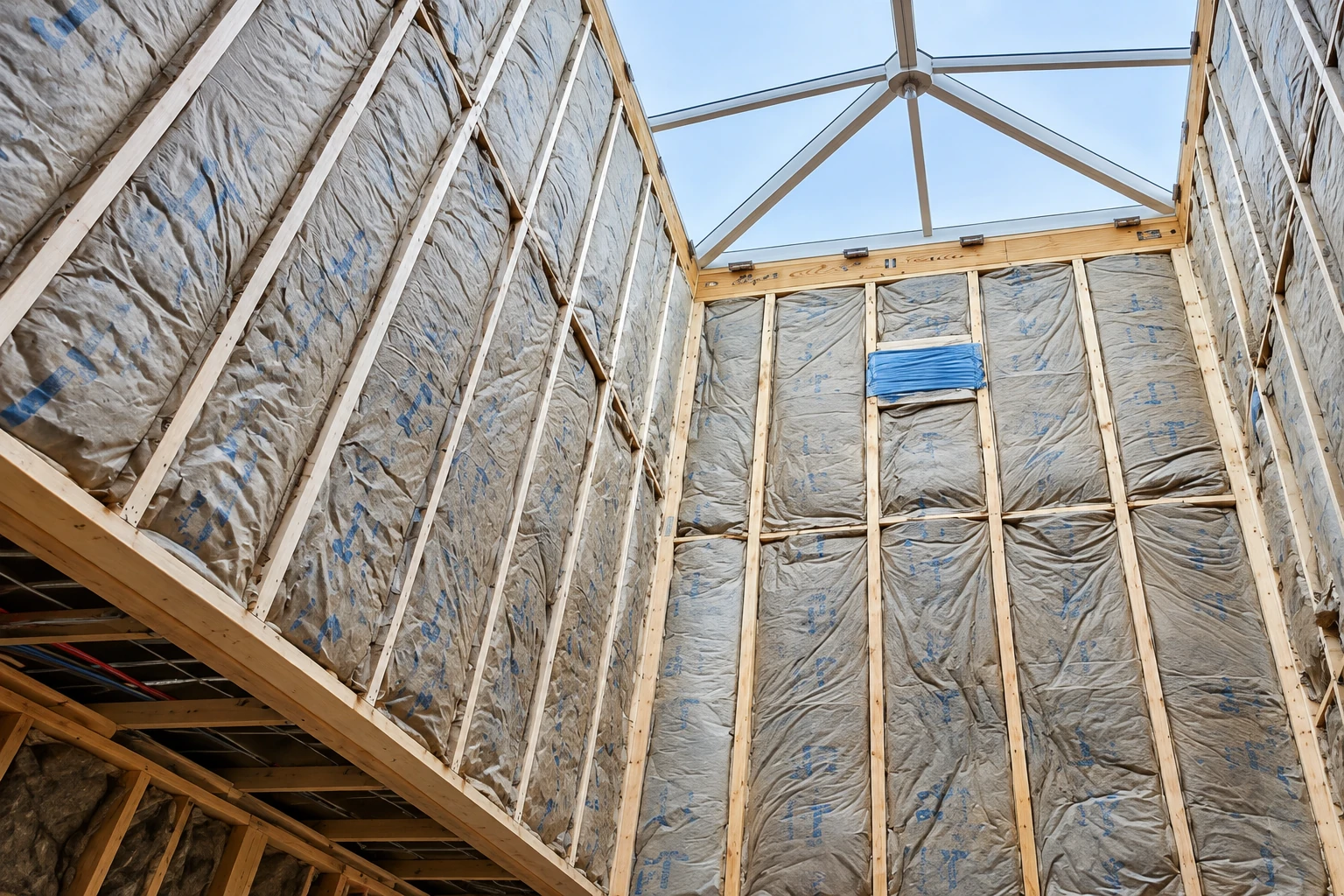
Attic air sealing in Conway closes the gaps between your attic and the rooms below, so the air you pay to heat and cool stays inside and less damp house air drifts up into the attic framing.
Most people call us because a room upstairs never feels right, the room over the garage runs cold, or the power bill keeps climbing. We're based in Conway and work in many of the cities around central Arkansas, from Morrilton out to Beebe and down to Bryant. The price mostly turns on how big the attic is, how many holes run through the ceiling for lights, pipes and wiring, and how much old insulation we have to move to reach them. The schedule turns on whether anything has to be repaired first, and the estimate gives you my written notes on what I found and what I'd do, in that order.
I come out and look at your attic before anything gets priced, and our crew does the work with me or a lead installer on site, so the person who looked stays close to the job.
If something is wrong under the insulation, like a roof leak or wiring that needs work, I'll tell you it has to be fixed first rather than seal over it and hide it.
You get a written list of what I found and what I'd do, in the order I'd do it, so you understand the job well enough to make the call yourself.
We start by walking the attic and looking at what's already up there, because insulation that's been soaked or full of droppings has to come out, not get covered. Then we pull back the insulation at the leak spots and close the gaps around the attic hatch, the holes drilled for wiring and plumbing, the recessed lights, the kneewalls where an upstairs room tucks under the roof, and the chases, the hollow boxes that carry ducts up from below. We keep the soffit, ridge and gable vents open the whole time, since the attic needs that air moving to stay dry, and we keep insulation from getting packed into the eaves. Once the gaps are closed, we lay the insulation back even across the whole attic, edges included, and clean up before we leave.
Sealing is usually the first half of a bigger fix. Once the leaks are closed, a lot of houses are ready for retrofit insulation, adding to what's already there, and that's when new material does its best work. Spray foam insulation seals and insulates in one pass but costs more, so I usually point people to sealing the gaps and topping up loose fill, unless your ductwork runs through the attic, where foam earns its price.
That room has unheated space on more than one side, and the gaps where its ceiling and walls meet the attic are often wide open, so sealing them helps it keep up.
Every can light is a hole cut through your ceiling into the attic, and older ones let air slip around their edges, so we seal around them before insulation goes back over.
Fresh insulation laid over open gaps ends up fighting a draft all year, so sealing first lets whatever you add do the job you paid for.
The hatch is a thin panel or folding ladder sitting in a hole in your ceiling, and it's an easy leak to miss, so we seal and weatherstrip it so it closes tight.
Send the form and we'll reply within one business day. I'll come out for a free on-site estimate, no obligation, and leave a written list of what I found and what I'd do first.
Let us know which rooms are drafty, hot or dusty and when it started bothering you, so I know where to look first once I'm up in the attic.
Tell us if you have a gas furnace, a gas water heater or anything else that burns fuel, because a tighter house changes how those vent and we plan around it.
We're licensed and fully insured, and our work is satisfaction guaranteed, so you know who stands behind the crew working in your attic.
These photos show sealed attic hatches, foamed gaps, loose-fill and spray foam layouts, the kinds of finishes we can talk over for your house.
Here are the questions people ask most before we seal an attic, from the warning signs to safety, permits and licensing.
Drafty rooms, rooms that never match each other in temperature, high heating or cooling bills and dust showing up in the rooms below the attic are the usual signs. Any one of them is a fair reason to have the attic looked at. When I come out, I'll tell you plainly if sealing isn't what your house needs.
It can be, but sealing sometimes makes a gas or oil appliance push its exhaust back into the house instead of up the flue, which isn't safe. If you have one, it's worth considering having a home performance contractor test that it vents properly before and after we seal. Tell us about those appliances when you call.
Yes, sealing comes before new insulation. A federal guide on this work checks combustion safety and indoor air first, then ventilation, finishes the sealing and only then insulates, so the house gets the most out of the insulation. We seal before anything new goes down, so you're not burying leaks you'll pay for later.
A leaking roof, active knob and tube wiring, which is old wiring strung on porcelain knobs, vermiculite insulation, a pebbly gray-brown loose fill, and bathroom fans vented into the attic all have to be repaired first. If your house has any of these, plan on that repair as step one, which can push the sealing back.
The city's permit list names new construction, remodels, additions and accessory buildings, not attic sealing, so the list alone doesn't settle it. Conway does want separate permits for electrical, plumbing, gas and mechanical work, so a job that adds any of that needs one. I check with the city before each job, and if a permit's needed, we take care of it.
Arkansas issues residential home improvement licenses in two types, Limited and Unlimited. A Limited license covers only home improvement projects under $50,000, counting labor and material together, while an Unlimited license covers jobs of any size. We're licensed and fully insured, and you're welcome to ask about it when I come out.
Call (501) 273-0205 any day until 10 PM or use the form, and tell us which rooms bother you and what heats your water.