Hot upstairs all summer
When the upstairs bakes and the downstairs stays cool, the attic is usually thin, settled or leaking air at the ceiling, so that's where we look first.
Hot upstairs, cold floors or a power bill that keeps climbing? We find where your house loses the most and fix that first.
Home insulation work in Conway, AR means adding insulation where your house is losing the most, usually the attic, the floors over a crawl space and the rim joists along the foundation, after the air leaks around those spots are sealed.
If one room never warms up or the upstairs runs hot all summer, the insulation you have is usually thin, packed down or wet, or air is slipping right around it. The price turns on how much of the house needs work, how easy the attic and crawl space are to get into, what has to come out first and whether you go with foam or loose fill, and the schedule turns mostly on any repairs that have to happen before we insulate. At the estimate I write down what I found and what I'd do, in the order I'd do it. The state's Limited home improvement license covers residential jobs under $50,000, labor and material counted together, while an Unlimited one covers any size, and we're licensed and fully insured.
I come out to see every job myself, and our crew does the work with me or a lead installer on site, so the person who found the problem stays close to the fix.
If I find a leak, droppings or damaged framing under the old insulation, it goes on a repair list with your estimate, because new material over a problem just hides it.
I'll explain what I found well enough that you can decide for yourself, and if your house doesn't need more insulation, I'll tell you that plainly and leave it there.
I start by walking the house and finding where it's losing the most, whether that's the attic, the floors or the crawl space, because those spots get done first. I check how many inches are already up there and what shape they're in, since anything soaked or full of droppings has to go before new material can do any good. Then we seal the gaps around can lights, pipes, wiring and the attic hatch so the new insulation isn't fighting a draft, and we lay it in evenly right out to the edges while keeping the eave vents clear so the attic can still breathe. Foam costs more and seals air while it insulates, but for most attics I'd rather seal the gaps and top up with blown-in, loose fill we blow through a hose, unless your ductwork lives up there.
When the old material is too far gone, insulation removal comes first so we're working on a clean, dry attic. If the cold is coming up through your floors, crawl space insulation is usually where the money does the most good, and we can fold it into the same job.
When the upstairs bakes and the downstairs stays cool, the attic is usually thin, settled or leaking air at the ceiling, so that's where we look first.
Floors over a crawl space pull heat out of the rooms above them, and insulating under the floor usually does more for cold feet than turning up the thermostat.
That room sits between an unheated garage and the roof, so it's often the worst in the house, and its floor and short side walls usually need work too.
In older houses we often find insulation that's packed flat, damp or full of droppings, and it has to come out before anything new goes over it.
Send the form and we'll reply within one business day to set a time. I come out, look the house over and write down what I found and what I'd do, with no pressure and no obligation.
I go up in the attic and look under the floors in person, because I can't tell you what your house needs from a phone call or a photo.
If your house has had an energy audit, send the results along, and tell us where the attic hatch is so I can get right up there.
We stand behind the work with satisfaction guaranteed, and everything we plan to do is written down before we start, so you know what's being done and in what order.
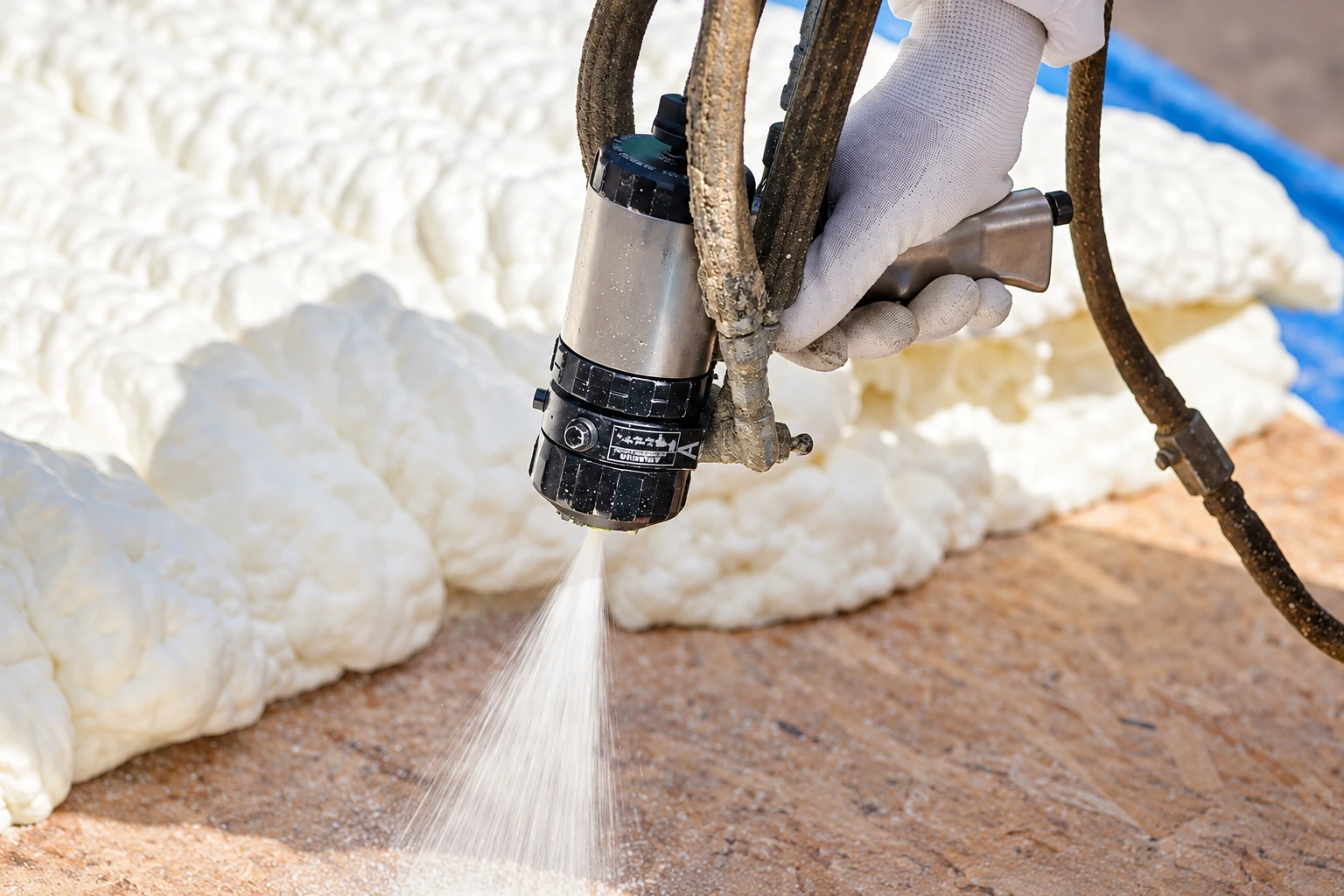
Blown-in attics, foam under floors and sealed gaps around hatches and pipes, shown as examples of materials and layouts we can talk through together.
Here are the questions homeowners ask us most about choosing insulation, getting the attic checked, permits and paying for the work.
For most attics, blown loose fill of fiberglass, rock wool or cellulose usually costs less to install than batts and covers better, according to Department of Energy guidance, though costs vary. Batts and rolls are still the most common type in American homes, so when you compare quotes, ask for a loose-fill price beside a batt price.
Water leaks, moisture, and structural or pest damage should all be checked first, according to a federal attic checklist. It also holds off insulation until any live knob and tube wiring, the old wiring strung on porcelain knobs, is replaced or boxed in, and stops work over vermiculite, which may contain asbestos. Either one goes first on my repair list.
Conway's permit list names new construction, remodels, additions and accessory buildings, not insulation, so I ask the city's Building Permits & Inspections office about each job before we start. The city's guidelines also say construction has to meet the state energy code. If your job needs a permit, we take care of it.
Yes, Conway Corp's Energy Smart loans cover qualifying upgrades, insulation included, interest-free, from $500 to $2,500 for customers with good credit history. Conway Corp also offers a free home energy audit, where a certified energy professional checks your insulation, sealing and heating and cooling, which makes a good first step. Renters need their landlord's permission before scheduling.
Usually not for blown-in or batts, since the work stays in the attic or crawl space and we keep the mess there. Spray foam is different, because you'll stay out until the re-entry time, when it's safe for people and pets to come back inside, and I'll give you that time before we book the job.
We answer until 10 PM every day, so call (501) 273-0205 or send the form tonight and have any energy audit results handy.