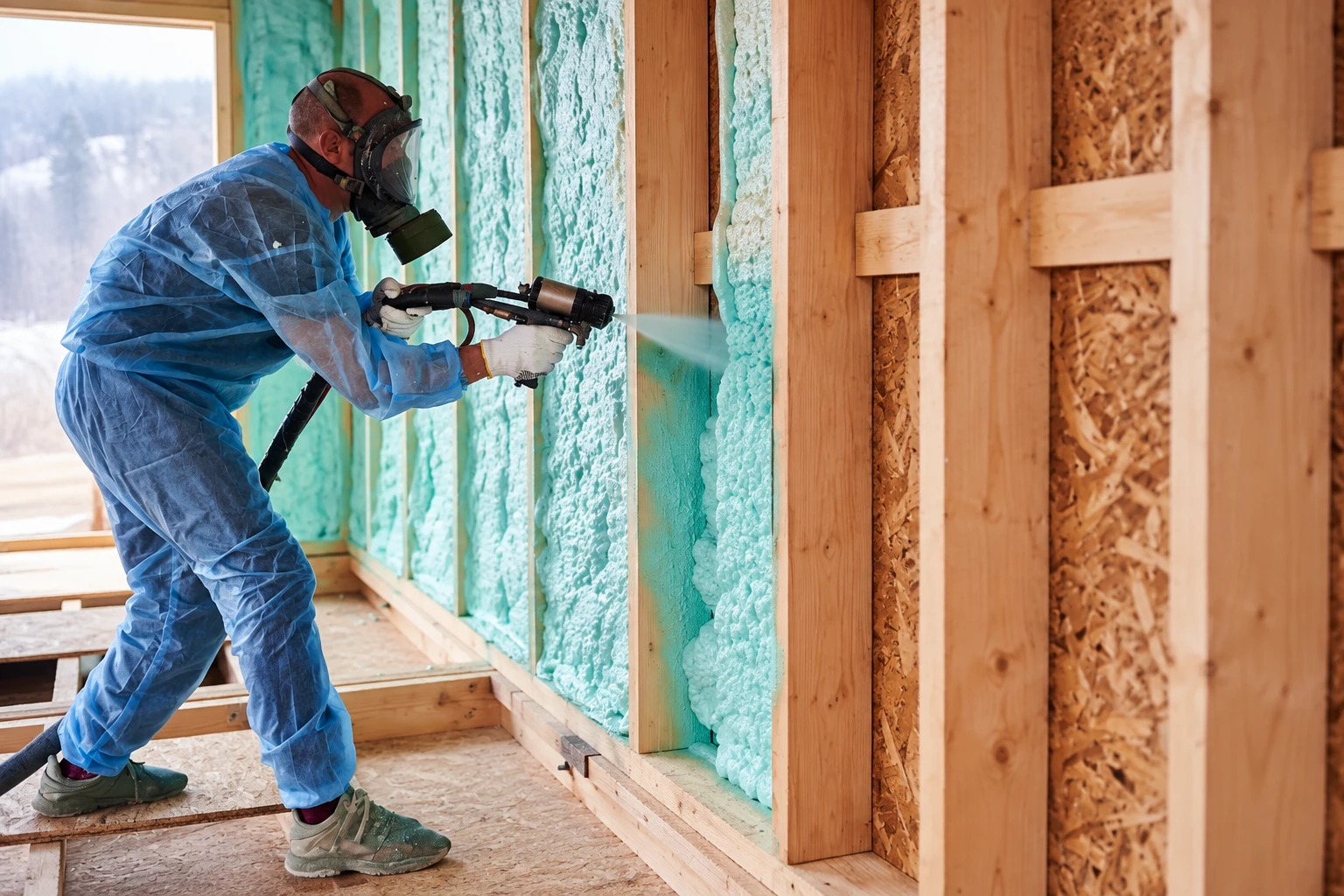
Spray foam insulation
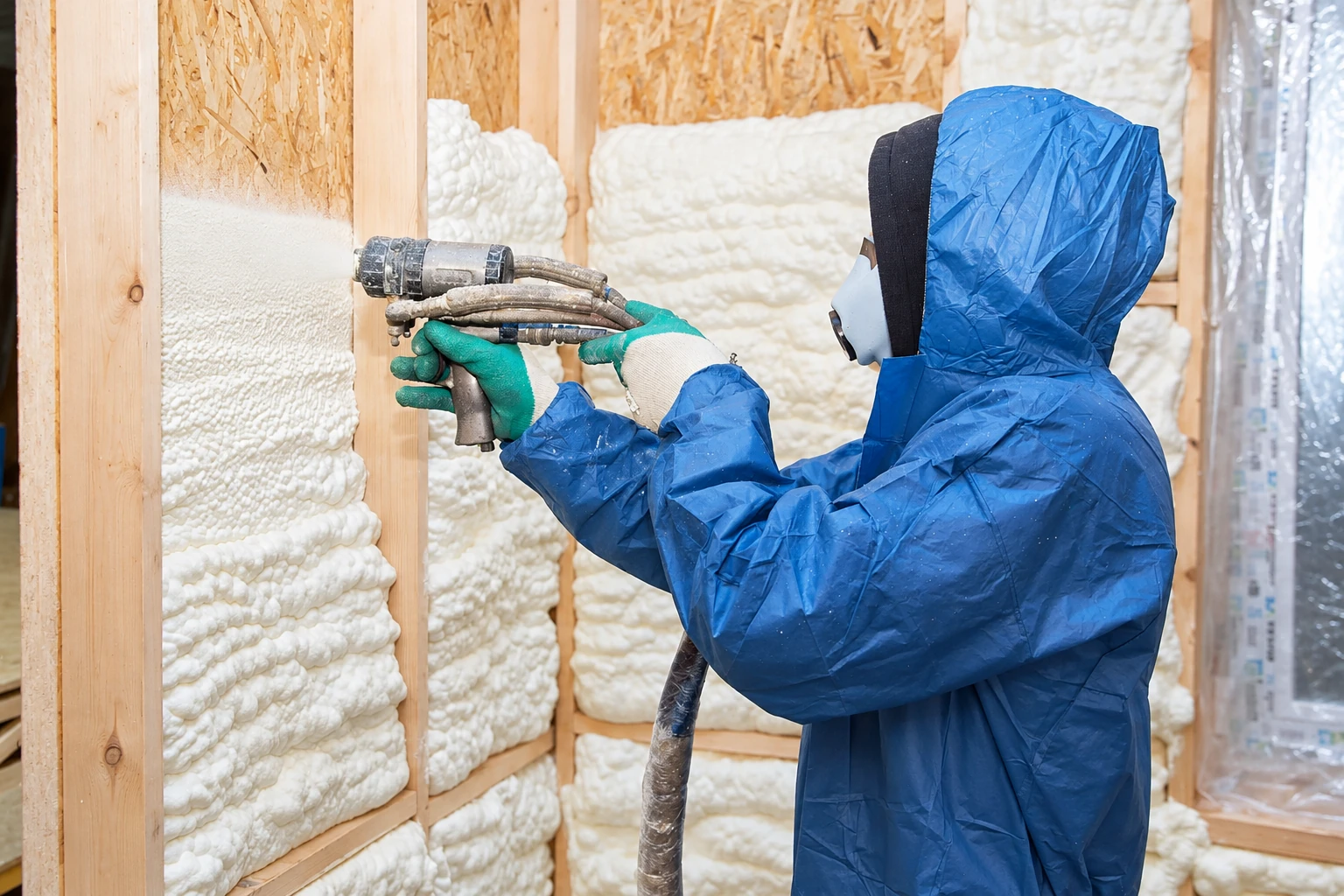
Foam costs more but seals air as it insulates, so it earns its keep when ducts run through the attic. Without that, sealing gaps and topping up loose fill usually wins.
Beacon Conway Spray Foam Insulation is an insulation contractor based in Conway that insulates, air seals and clears out old insulation in Morrilton homes, starting with a close look at what's already in your attic or crawl space.
Morrilton is an easy drive west of us on I-40, and we work there the same way we do at home in Conway and over in Little Rock. What moves the price is what we find: how many inches are already up there, whether old insulation has to come out first, how many gaps need sealing and whether foam or loose fill suits the house. The schedule turns on the same things, plus the re-entry time with foam, which is how long everyone, pets included, stays out before coming back in. Your estimate shows what all that means for your house.
Morrilton has older houses around downtown and newer ones farther out, and the calls are familiar: a hot upstairs, a drafty room over the garage, cold floors over a crawl space. In the older houses we often find insulation packed down or stirred up by rodents, so cleanup and sealing come before any topping up, and in newer ones the coverage tends to run thin at the edges where the roof meets the walls.
I look at what's already in your attic or crawl space before we talk about adding anything, and if a repair has to come first, I'll say so instead of covering it up.
If what's up there is in decent shape, I'll tell you, because sometimes a few sealed gaps do more for a drafty room than another layer of insulation.
I come out to look at every job myself, and our crew does the work with me or a lead installer on site, so what we agreed on is what gets done.
Foam costs more but seals air as it insulates, so it earns its keep when ducts run through the attic. Without that, sealing gaps and topping up loose fill usually wins.
We measure how many inches are already up there and bring the thin edges over your walls up to match the middle, which is where a hot upstairs usually starts.
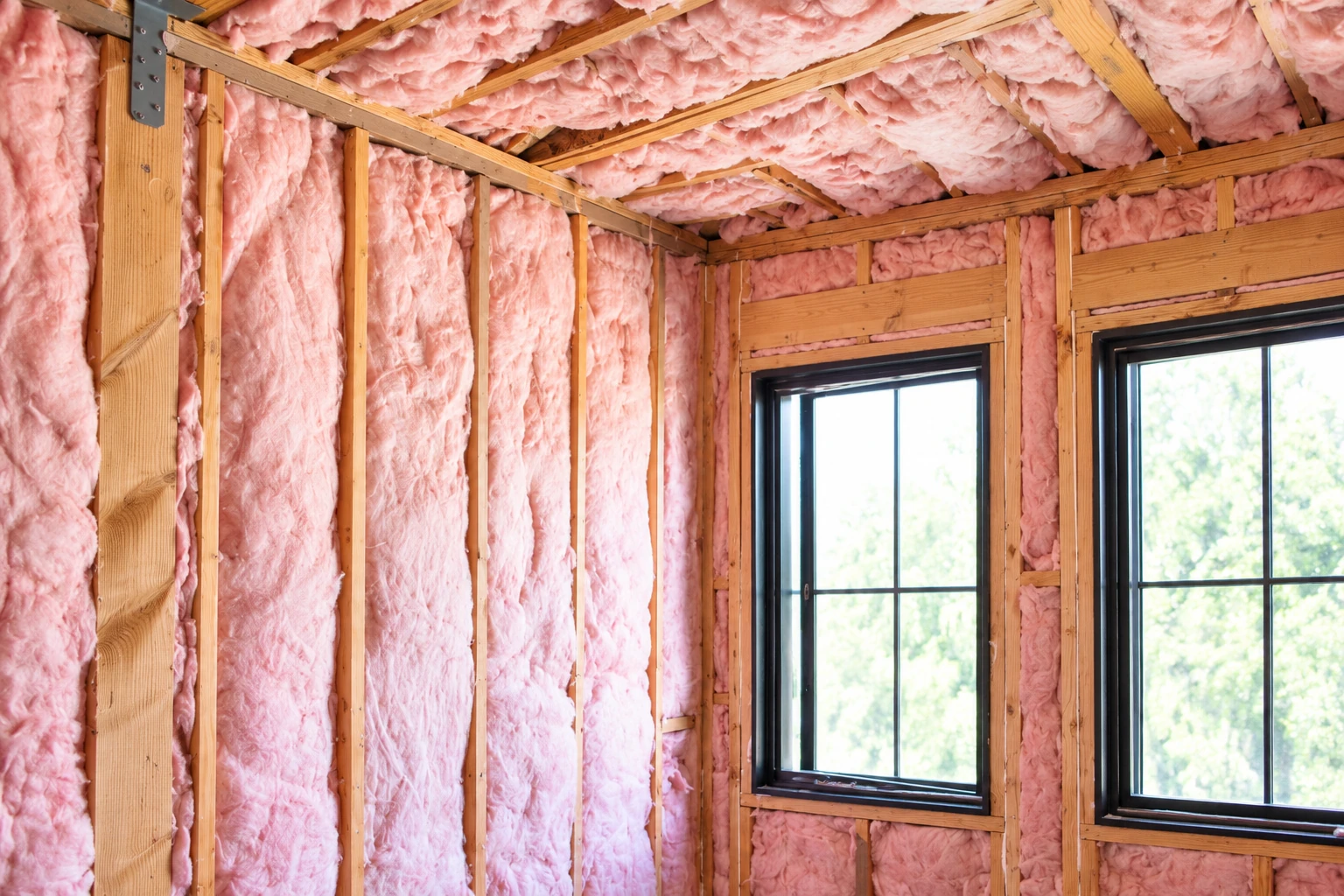
Loose fill blown through a hose is how we usually top up an attic, and we keep it clear of the eave vents so the attic still breathes.
When rooms run hot or cold at different ends of the house, we look at the attic, walls and crawl space together and tell you which one to fix first.
If the old insulation is soaked, matted or full of droppings, it comes out before anything new goes in, because a fresh layer on top only hides the problem.
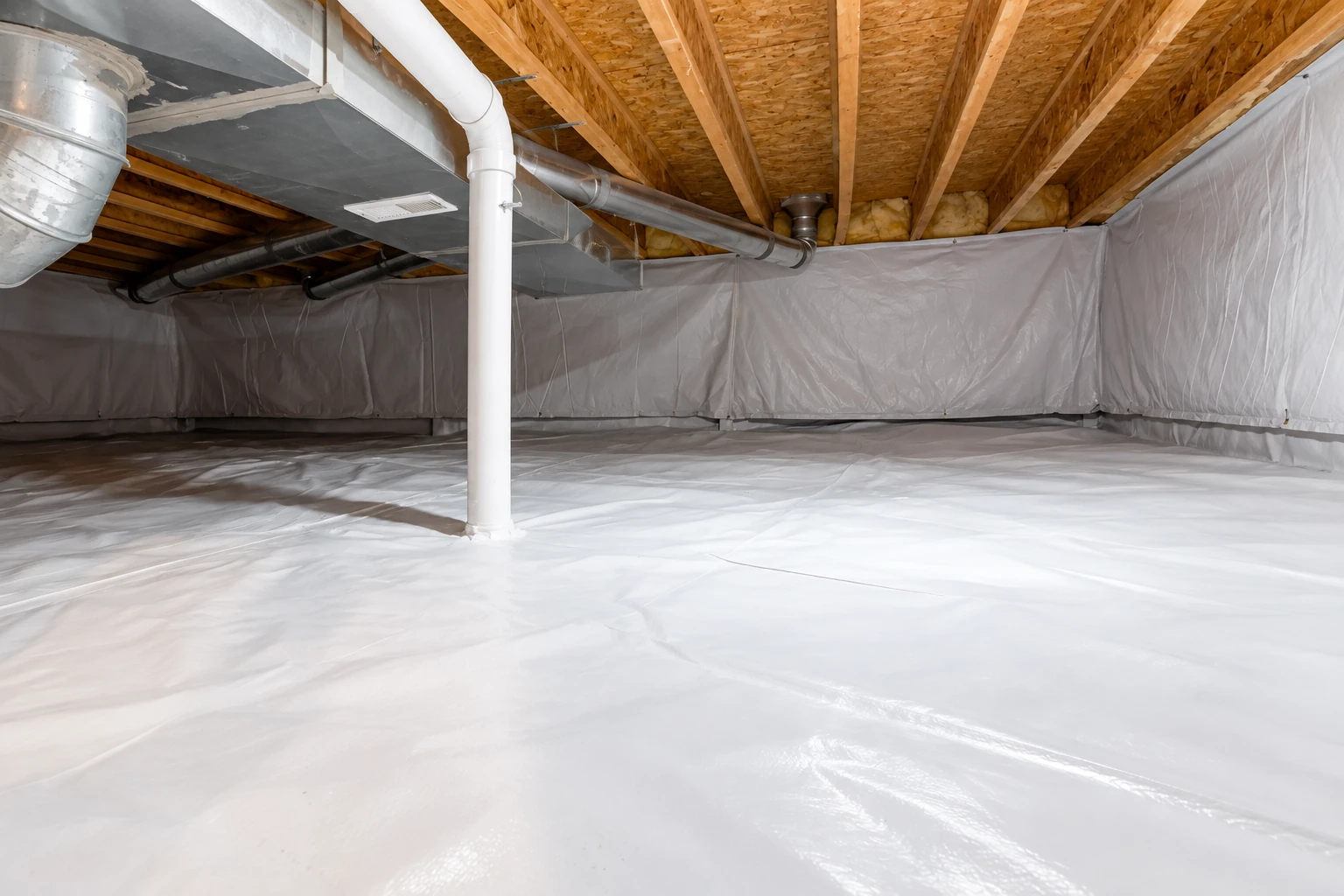
Cold floors usually trace back to the crawl space, so we check for damp and fallen insulation before we put anything new up between the floor joists.
When one room stays drafty no matter where the thermostat sits, we check the walls, and finished walls can be filled and patched without tearing them out.
We close the gaps around pipes, wires and can lights before any insulation goes in, so the air you pay to heat and cool stays in your rooms.
Where a house has a basement, we start at the rim joist, the band of framing on top of the foundation, because drafts often get in there.
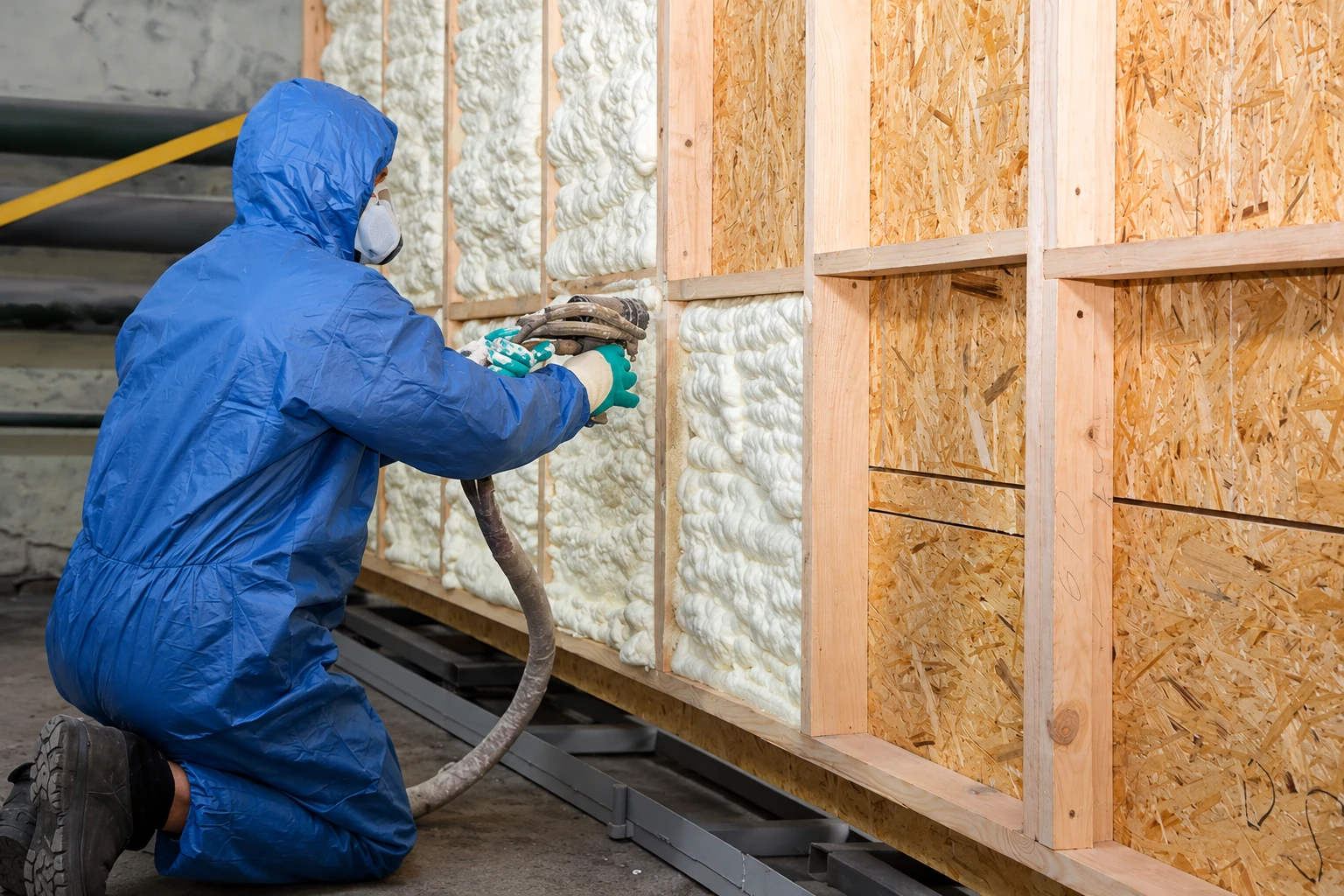
This dense foam blocks moisture as well as air, which makes it the one we reach for on crawl space walls, rim joists and other spots that stay damp.
The softer, lighter foam fits the underside of the roof when your ductwork lives in the attic, but we keep it away from damp spots, where closed-cell does better.
Building owners call us about offices and shops too, and the job starts the same way, with a look at what's already there before we price anything new.
A plastic sheet over the dirt keeps ground moisture out of your floor framing and insulation, and we overlap and tape the seams so it stays put.
We put vapor barriers where moisture pushes in, like crawl spaces and basement walls, and check for an old one first so water isn't trapped between two layers.
We weatherstrip the attic hatch and seal the tops of interior walls and plumbing holes, because air pouring through a gap carries heat right past the insulation.
In older houses we add insulation without opening up finished rooms, working from the attic or crawl space, so there's less mess in the rooms you live in.
Send the form and we'll reply within one business day to set up a free estimate at your house. I come out myself to look, and there's no obligation to hire us after.
The estimate costs nothing and happens on site, because I can't tell what your attic needs over the phone, and there's no pressure if you decide against it.
You get what I found and what I'd do, written in the order I'd do it, so you can see what has to come first and make the call yourself.
We're licensed and fully insured, and satisfaction guaranteed is the promise on every job we do in Morrilton and the cities around it.
Straight answers to the permit and license questions that come up before an insulation job on a Morrilton house.
The city's Planning Department issues building permits in Morrilton for homes and businesses, and it keeps a registration form for contractors who work in the city. Whether your insulation job needs a permit depends on the work, so I check with that office about each job before we start, and if it needs one, we take care of it.
Yes, unless the job is exempt. Arkansas requires a home improvement contractor working on an existing single-family house, including repairs, alterations and removal, to be licensed by the state's Residential Contractors Committee. A Limited license covers residential projects under $50,000 in labor and materials, and an Unlimited license covers any size, so it's worth asking which one a contractor holds.
Yes. State law exempts a homeowner acting as their own contractor on their own single-family house. It also exempts a contractor when the work costs $2,000 or less, but not when a bigger job is split into separate contracts under $2,000 each. If you'd rather do it yourself, I'm still glad to come look and tell you what I'd fix first.
These are the cities with their own page here, and we work in others around central Arkansas too. If yours isn't listed, call (501) 273-0205 or send the form and ask.
Call (501) 273-0205 any day until 10 PM, weekends too, or send the form when a hot upstairs keeps you up at night.